How Do You Build a Window of Tolerance?

In our fast-paced world, understanding how to navigate our emotions is crucial for overall well-being. One concept gaining traction in therapeutic discussions is the Window of Tolerance—a vital framework that helps us recognize our emotional states and develop coping strategies. This article explores the Window of Tolerance and how working with a life coach can facilitate the journey toward emotional resilience.
Understanding the Window of Tolerance
The Window of Tolerance describes the optimal zone of arousal where an individual can effectively manage stress, process emotions, and make rational decisions. Within this window, you can respond to life’s challenges with a sense of calm and clarity. However, experiences—especially those related to trauma—can significantly shrink this window.
People with a reduced Window of Tolerance may find themselves oscillating between two states:
- Hyperarousal: This state is characterized by heightened anxiety, fear, emotional overwhelm, and a tendency to fight, flee, or freeze. You might experience racing thoughts, irritability, or an inability to concentrate.
- Hypoarousal: In this state, individuals often feel numb, depressed, or detached. It’s marked by a collapse or shutdown response, where motivation and emotional engagement seem out of reach.
Expanding Your Window of Tolerance
Many people, particularly those who have experienced trauma, may feel that their Window of Tolerance is quite small—like the size of a cat door! However, there are ways to gradually expand this window and build resilience. Here are some strategies:
- Self-Regulation Techniques: If you find yourself in a state of hyperarousal, practices like breathwork, meditation, and journaling can help calm your nervous system. These techniques provide a way to center yourself and manage overwhelming feelings.
- Physical Activity: When in a hypoarousal state, engaging in physical activities such as walking, dancing, or any form of exercise can help elevate your energy and bring you back into your body. Movement is a powerful tool for emotional regulation.
- Listening to Your Body: Honoring your body’s needs is essential for expanding your Window of Tolerance. This includes setting boundaries, ensuring you get enough rest, and nourishing yourself appropriately. Recognizing what your body needs intuitively will enhance your overall capacity to cope.
- Grounding Practices: Activities such as massages or mindful walking can help you reconnect with the present moment, making it easier to ground yourself and navigate your emotions.
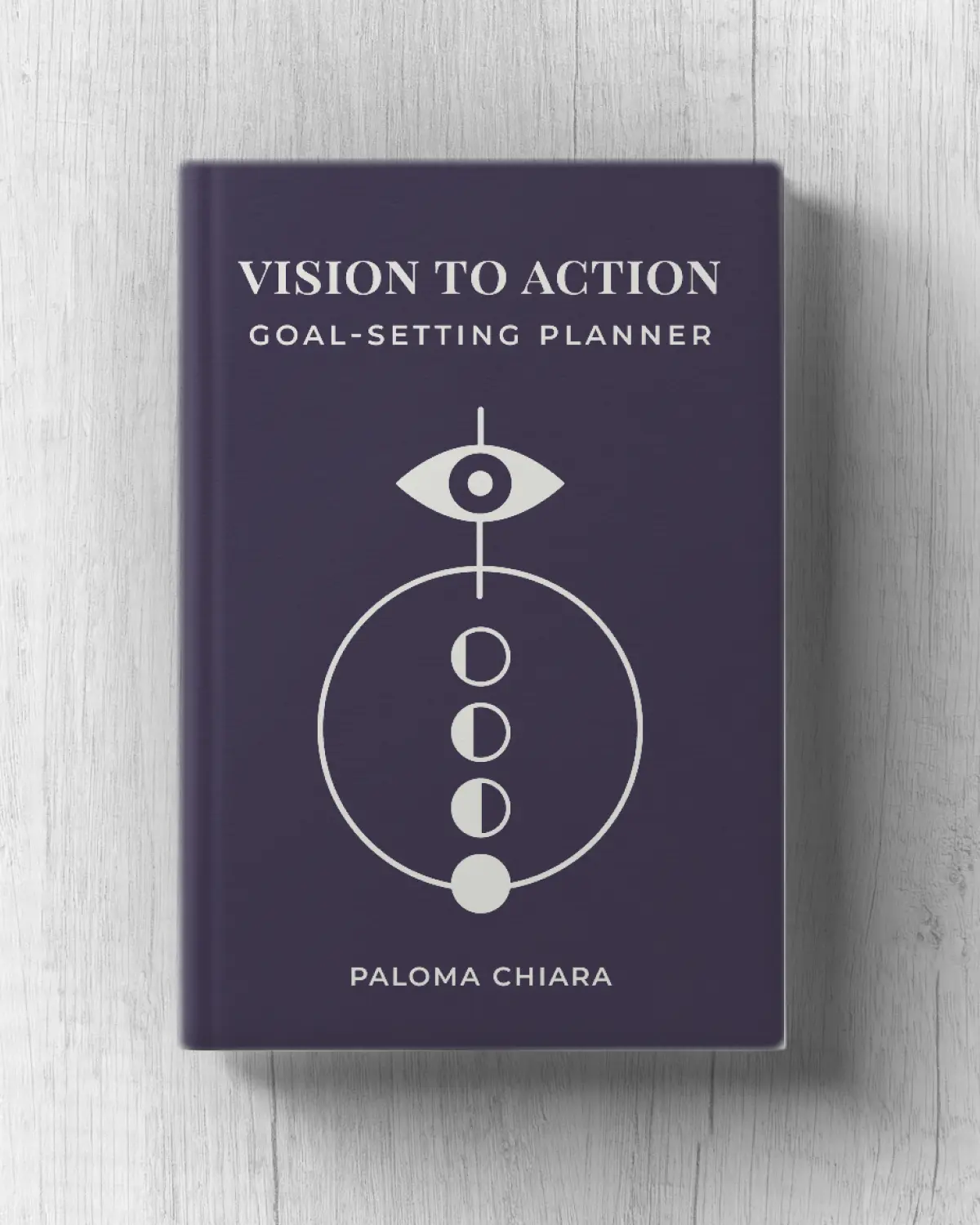
Check out the Vision to Action Planner for only 6$
More infoThe Role of a Life Coach for Building Your Window of Tolerance
While these strategies are valuable, working with a life coach can further enhance your journey to expand your Window of Tolerance. Here’s how a life coach can support you:
- Identifying Triggers: A life coach can help you recognize what pushes you out of your Window of Tolerance, enabling you to develop tailored coping strategies.
- Setting Goals: Coaches assist in setting realistic goals for emotional regulation, helping you track progress and celebrate milestones.
- Accountability: Having a coach means having someone to hold you accountable for your growth. This support encourages you to stick to your self-care practices and strategies.
- Building Emotional Awareness: Coaches can guide you in developing a deeper awareness of your emotional responses, allowing you to navigate challenges with greater ease.
- Creating a Supportive Environment: A life coach can help you cultivate a positive environment that encourages self-exploration and emotional growth.
Expanding your Window of Tolerance is a journey toward greater emotional resilience and well-being. By understanding your emotional states and employing effective coping strategies, you can navigate life’s challenges more effectively. Working with a life coach can provide invaluable support as you embark on this journey, helping you identify triggers, set goals, and create a nurturing environment for growth. Embrace this opportunity to cultivate a more balanced and fulfilling life!
Quiz: What Is Blocking Your Success?
This quick quiz will help you figure out which mental or behavioral pattern might be holding you back from achieving your full potential. Identifying your specific success blocker is the first step toward breaking through to new levels of achievement and fulfillment.
Read each question and choose the answer that feels most true to your situation.
No email or payment is required to complete the quiz and receive your personalized insights.
Once you have your primary success blocker, you have clarity about what’s been holding you back. This awareness is powerful—many people spend years struggling without understanding the specific pattern that’s limiting their progress.
Remember, these patterns aren’t permanent character traits but rather habitual ways of thinking and behaving that can be changed with the right guidance and practice.
If you’re ready to break through your specific blocker and achieve the success you know you’re capable of, send me an email to try out a coaching session. Your breakthrough awaits!
About the Author

Paloma Chiara
Certified Life Coach
Guiding you toward your best self through mindful transformation.
Contact me
Still waiting for the 'perfect time'?
Email me what you'd do if you stopped making excuses. We'll work backwards from there.
Let's startRecent posts
-
The Complete Guide to Becoming a High Achiever
Read blog -
How To Make a Positive Impact in Your Community
Read blog -
What Is the “Winter Arc” Challenge?
Read blog -
What Is "the Great Lock-In" and Should You Try It?
Read blog -
What Are the 75 Hard and Soft Challenges?
Read blog -
How to Validate Yourself
Read blog

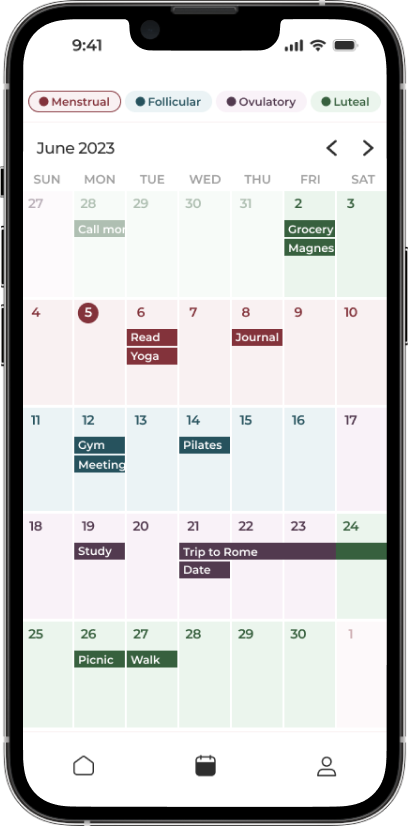
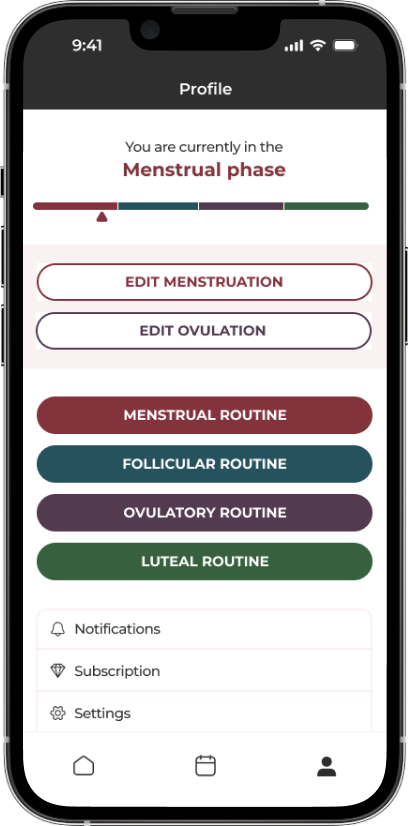
The App Made To Sync Your Lifestyle to Your Menstrual Cycle.
A solution for women who are looking to keep track of what they sync to their cycles, such as fitness, diet, etc. by adding it to a calendar that also predict their phases.
Learn more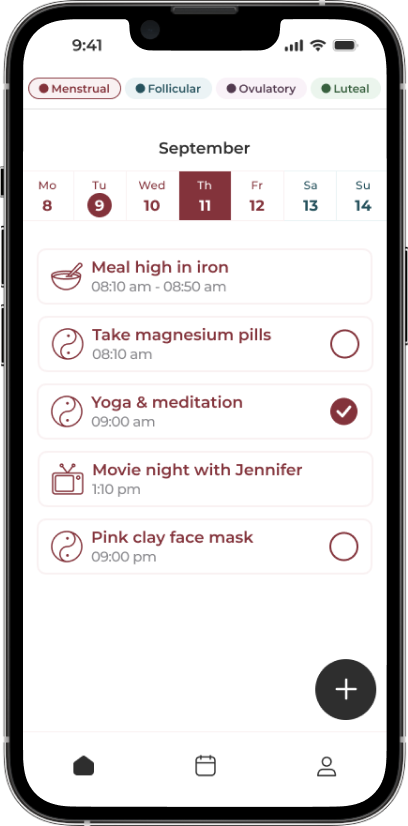
Comment