
What Is Relationship Coaching?

Relationship coaching is structured work with a coach — alone or with your partner — to improve communication, break recurring conflict patterns, and build the kind of connection you actually want.
It’s not therapy. There’s no deep dive into childhood or past trauma. The focus stays on what’s happening now and where you want to go.
What the Work Looks Like
Most couples arrive stuck in the same cycle. The arguments look different each time, but the underlying dynamic repeats.
A coach helps you name the pattern and interrupt it — not to assign blame, but to change what’s driving it.
The starting point is almost always communication. Not because it’s the only problem, but because it’s where everything else gets stuck. You’ll work on active listening, emotional check-ins before things escalate, and reading what body language communicates when words aren’t working.
If anxiety makes conflict feel overwhelming, working with a coach on that directly tends to make relationship work much easier.
Check out the Free · Vision to Action Planner
More infoGrowing Together Without Losing Yourself
The partnerships that last aren’t the ones where both people stop changing. They’re the ones where two people keep growing and choose to grow in the same direction.
That means having your own goals alongside the shared ones. Getting clear on your own direction — a personal development plan is a practical tool here — makes it easier to articulate what you need from the relationship.
What doesn’t work: treating your partner as the answer to every unfulfilled need, or framing every compromise as a personal loss.
Navigating Conflict
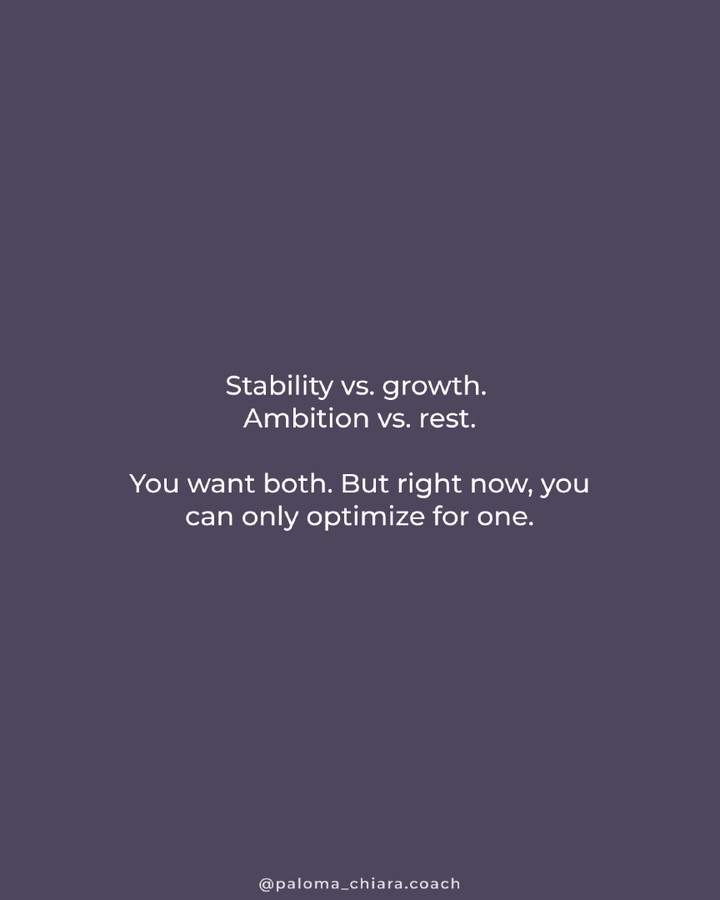
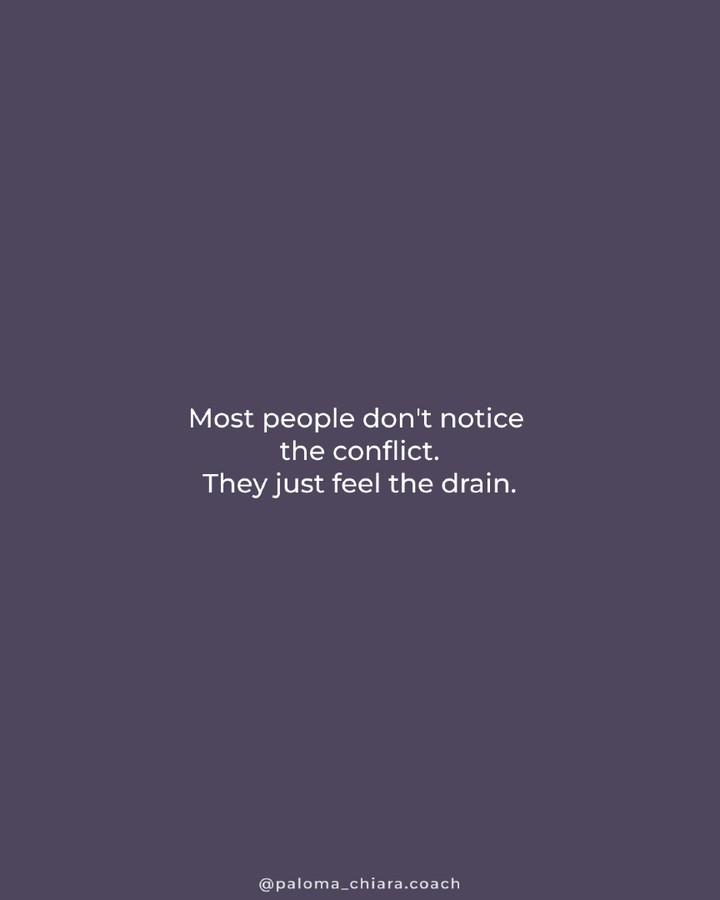
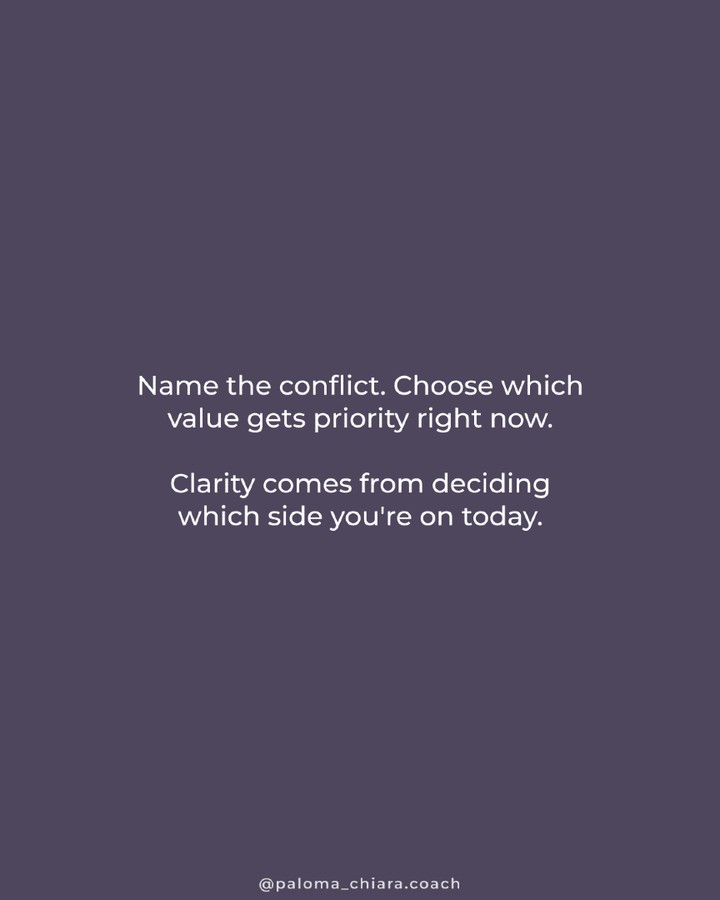
Conflict isn’t the problem. Unresolved conflict is.
Research in Psychology Today consistently shows that what predicts long-term relationship health isn’t whether couples fight — it’s the ratio of positive to negative interactions over time. You can disagree often and still be doing fine.
A coach gives you a concrete framework: identify the underlying need behind the surface complaint, build the habit of pausing before things become destructive, and find solutions both people actually want rather than one person always giving in.
If you tend to avoid conflict out of fear of things falling apart, working through that fear directly is often the more important first step.


When Coaching Is the Right Move
Coaching works well when you’re caught in a pattern you can’t break alone, when stress consistently makes communication fall apart, or when you’re navigating a transition — moving in together, starting a family, a major career change.
Building resilience helps here too. Relationships go through genuinely hard stretches, and having that capacity individually makes navigating them together far more realistic.
It’s not the right fit if there’s active abuse or a mental health crisis that needs clinical treatment first. In those cases, a therapist is the better starting point.
If relationship coaching sounds like what you need, get in touch.
About the Author

Paloma Chiara
Certified Life Coach
Guiding you toward your best self through mindful transformation.
Contact me
The perfect time was last quarter.
Tell me where you're stuck. We'll build the systems around it.
Let's startRecent posts
-
How to Overcome the Fear of Raising Your Prices
Read blog -
How to Handle Criticism as a Founder Without Losing Confidence
Read blog -
How to Stop Micromanaging Your Team
Read blog -
The Arrival Fallacy (Why Success Doesn't Feel Like Enough)
Read blog -
Why Business Owners Can't Switch Off From Work
Read blog -
How to Set Boundaries with Your Team Without Feeling Like a Bad Boss
Read blog
Comment