
How to Overcome Decision Fatigue as a Business Owner

By 4pm, even picking a restaurant for dinner feels like too much. You’ve already decided what to build, who to hire, which client to prioritize, what to say in that email you kept rewriting. Another choice, even a small one, feels like one too many.
That’s a brain that’s already spent its stock of clear thinking, on decisions nobody else could make for you. Laziness has nothing to do with it.

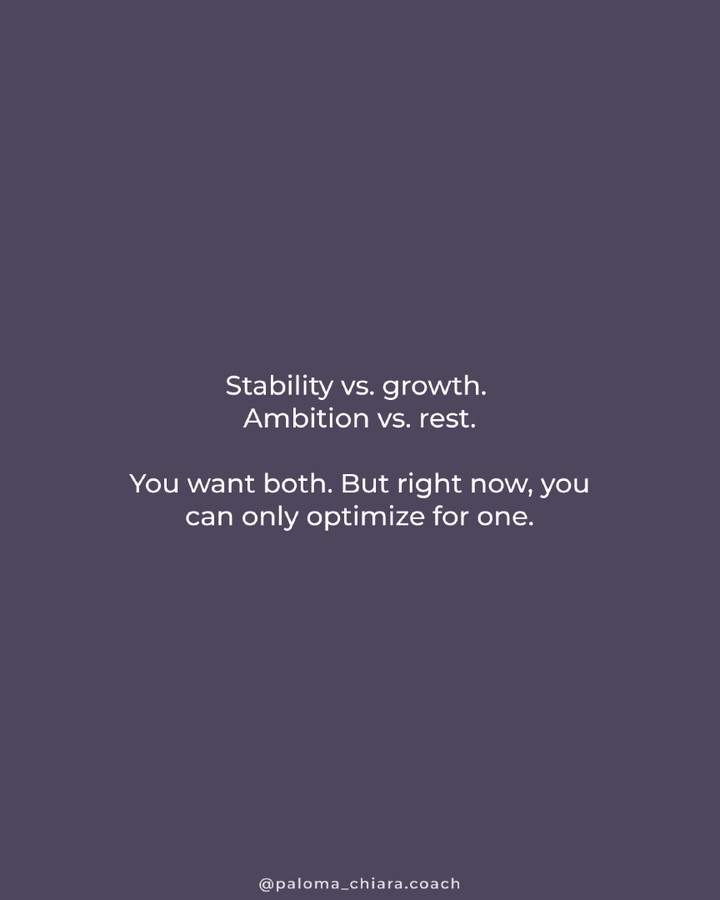

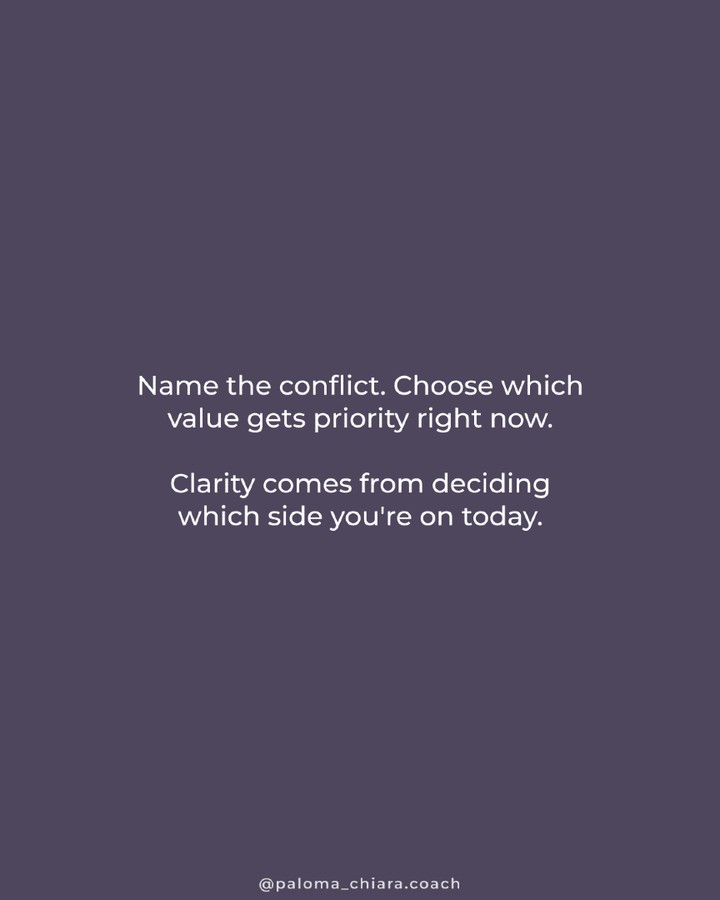

What Decision Fatigue Actually Is
Decision fatigue is the drop in judgment quality that follows a long stretch of decision-making. The concept traces back to psychologist Roy Baumeister’s work on willpower, popularized in a New York Times Magazine piece that’s still cited a decade later. One of its most quoted findings: judges granted parole far more often early in the morning or right after a break, and far less often as the day wore on and their mental reserves ran down.
Every decision, big or small, seems to draw from the same limited tank. Choosing a logo color pulls from the same reserve as choosing whether to fire someone. Your brain doesn’t rank them by importance before it starts draining.
The APA frames it as a limited resource that depletes with use, similar to a muscle that tires from repeated effort. Once that resource runs low, people default to whatever’s easiest: the status quo, the first option, or no decision at all.
Why It Hits Business Owners Harder
An employee usually makes decisions inside a role someone else designed. A business owner makes decisions about the role, the product, the pricing, the hire, the client, the deadline, often before 10am.
You’re choosing without a manager to check with, a team to absorb the miss, or a script to fall back on. Every decision carries the full weight of the outcome, and there’s rarely anyone else positioned to catch it if it’s wrong.
I hit my own decision-fatigue spiral running multiple projects at once. Every small choice, which email to answer first, what to post, which client question to handle myself, ate into the same mental budget as the decisions that actually mattered. Building a single connected system, where daily decisions were already made in advance, pulled me out of it. Willpower never did.
Check out the Free · Vision to Action Planner
More infoThe Signs You’re Already In It
Decision fatigue rarely announces itself. It shows up sideways.
You keep re-reading the same email without sending it. You say yes to things you’d normally decline, because saying no requires a decision you don’t have the energy for. Small choices, what to eat, what to wear, start to feel disproportionately hard.
Some business owners swing the other way and get impulsive: quick, careless calls just to make the discomfort of choosing stop. Both patterns point to the same thing. The tank is empty, and the brain is looking for the fastest way out, not the best one.
This often overlaps with overthinking, where the exhaustion isn’t from making decisions but from replaying them. If a choice sits in your head for days after you’ve already made it, that’s the same resource being drained twice.
Why Willpower Isn’t the Answer
The instinct is to push through: more coffee, more discipline, a sharper morning routine. It rarely works for long, because the problem was never a lack of effort.
Chronic stress measurably changes how the brain handles decisions, and no amount of grit reverses that in the moment. Trying harder to decide well, when the resource behind deciding well is already gone, just spends what little is left.
The actual fix is designing a business that asks less of you in the first place, so there’s less to push through on the days your reserve runs out.
How to Build a Business That Makes Fewer Decisions For You
Set defaults for recurring choices. If you find yourself making the same call every week, write down the rule once and stop re-deciding it. A pricing floor, a response template, a standard turnaround time. Each one is a decision you never have to make again.
Batch similar decisions together. Reviewing 5 invoices back to back costs less than reviewing them scattered across a week, because your brain isn’t switching modes each time.
Decide what only you should decide. Most tasks that land on your desk don’t actually need you. Figuring out what to delegate first usually starts with noticing which decisions keep circling back to you out of habit, not necessity.
Protect your first hours. Make your hardest calls when your reserve is fullest, and push low-stakes admin to the afternoon, when your judgment is already thinner.
For a lot of owners, the real block underneath all of this is the belief that no one else can decide as well as they can, which is really a struggle to let go of control. Fewer decisions only sticks once that belief loosens.
What Changes When the Load Lifts
A business that doesn’t need your judgment on every small thing runs on its own most days. You show up for the decisions that actually require you, and skip the 30 that don’t.
Sleep improves. So does the quality of the decisions you do make, because you’re not making them from an empty tank. You still care as much about the business. You just spend your best judgment on what actually needs it, instead of burning it on 30 things that didn’t.
If decision fatigue has been running your days, get in touch to work through what’s actually driving it and build a system that carries some of that weight for you.
Quiz: what’s blocking your success?
This quick quiz will help you uncover which mental or behavioural pattern might be holding you back from reaching your full potential. Identifying your specific blocker is the first step to overcoming it.
Read each question and choose the answer that best fits your situation.
No email or payment required to complete the quiz and receive your personalised results.
Once you know your main blocker, you’ll have clarity on what’s been holding you back. These patterns are not permanent traits, they are habitual ways of thinking and acting that can be changed with the right guidance and practice.
If you’re ready to overcome your specific blocker, email me to try a coaching session.
About the Author

Paloma Chiara
Certified Life Coach
Guiding you toward your best self through mindful transformation.
Contact me
The perfect time was last quarter.
Tell me where you're stuck. We'll build the systems around it.
Let's startRecent posts
-
How to Overcome the Fear of Self-Promotion as a Business Owner
Read blog -
How to Take a Vacation as a Business Owner (Without the Guilt)
Read blog -
How to Overcome the Fear of Raising Your Prices
Read blog -
How to Handle Criticism as a Founder Without Losing Confidence
Read blog -
How to Stop Micromanaging Your Team
Read blog -
The Arrival Fallacy (Why Success Doesn't Feel Like Enough)
Read blog
Comment