The Complete Guide to Becoming a High Achiever

Becoming a high achiever isn’t about luck, talent, or working 24/7. It’s about cultivating the right mindset, habits, and strategies that allow you to consistently set and accomplish ambitious goals while maintaining balance and fulfillment.
1. Understand What Being a High Achiever Really Means
Becoming a high achiever starts with understanding what the term truly entails. It’s more than just success or recognition—it’s about consistently striving for meaningful goals and sustaining high performance across multiple areas of life. High achievers tend to set ambitious benchmarks for themselves, whether in their careers, personal growth, relationships, or health. They are not only motivated by external results but also by a desire for continuous self-improvement and mastery.
Being a high achiever also means embracing responsibility for your own progress. Unlike someone who waits for opportunities to come to them, a high achiever actively creates and pursues opportunities, even in the face of uncertainty or challenges. This level of intentionality requires clarity about what success means to you personally and a willingness to prioritize long-term growth over short-term comfort. Understanding this foundational mindset sets the stage for every habit, decision, and strategy that follows.
A high achiever is someone who:
- Sets ambitious goals and consistently works toward them.
- Maintains discipline and persistence, even when progress feels slow.
- Strives for excellence, not just adequacy.
- Prioritizes growth in both personal and professional life.
- Balances ambition with self-care, ensuring sustainable performance.
2. Cultivate a High Achiever Mindset
Mindset is the invisible engine behind achievement. Without it, even the most carefully planned strategies and routines will struggle to produce results. A high achiever mindset is built on the belief that challenges are opportunities, failures are lessons, and continuous growth is non-negotiable. This requires adopting a growth-oriented perspective, where skills and abilities are seen as developable rather than fixed traits. People with a growth mindset embrace challenges that push them outside their comfort zone, knowing that discomfort is a sign of progress.
Equally important is developing resilience and emotional intelligence. High achievers inevitably face setbacks, criticism, and periods of low motivation. How you respond to these moments defines your trajectory. Cultivating self-awareness allows you to recognize destructive thought patterns or tendencies toward perfectionism. Pair this with a focus on purpose—understanding why you pursue your goals—so that your motivation is both sustainable and fulfilling. A strong, deliberate mindset becomes the foundation for every action you take.
Growth Mindset
- Embrace challenges as opportunities to learn.
- View failure as feedback, not a reflection of self-worth.
- Celebrate progress over perfection.
Resilience
- Build emotional strength to handle setbacks.
- Use adversity as fuel to improve and adapt.
Self-Awareness
- Know your strengths and weaknesses.
- Recognize patterns of procrastination or overcommitment.
Focus on Purpose
- Align goals with your values and long-term vision.
- Motivation becomes sustainable when work feels meaningful.

Check out the Vision to Action Planner for only 6$
More info3. Set Clear, Ambitious Goals
Goal-setting is the blueprint for high achievement. Without clear targets, even the most disciplined individual can feel directionless or overwhelmed. High achievers set ambitious but achievable goals that push them to grow, while also being specific enough to track progress. A SMART approach—Specific, Measurable, Achievable, Relevant, and Time-bound—ensures your goals are actionable and meaningful rather than vague aspirations.
Beyond just setting goals, it’s important to create a goal hierarchy that connects daily actions to long-term vision. Large goals can feel daunting unless broken down into manageable steps. For example, a long-term career goal might be publishing a book or reaching an executive position. Medium-term goals would include acquiring skills, networking, or building a portfolio, while short-term goals involve daily writing, learning, or project completion. High achievers understand that consistent, incremental progress compounds over time and that small daily actions are often more powerful than sporadic bursts of effort.
SMART Goals
- Specific: Clearly define the outcome.
- Measurable: Track progress with quantifiable metrics.
- Achievable: Goals should stretch you, but be realistic.
- Relevant: Align with your purpose and long-term objectives.
- Time-bound: Deadlines create accountability.
Goal Hierarchy
- Long-term goals: Big-picture vision (e.g., career milestones, personal mastery).
- Medium-term goals: Steps that bridge long-term and short-term goals.
- Short-term goals: Daily or weekly actionable tasks that keep momentum.
4. Build High-Performance Habits
Habits are the daily behaviors that turn ambition into results. High achievers don’t rely solely on motivation—they engineer routines that make success inevitable. Core habits often include structured mornings, focused work blocks, energy management, and continuous learning. A purposeful morning routine, for instance, primes the mind and body for high performance, helping you start the day with clarity and intention.
Deep work is another cornerstone. High achievers dedicate uninterrupted time to their most important tasks, resisting distractions and multitasking. They also understand the importance of energy management: working with their natural peaks in focus, taking strategic breaks, and using recovery to prevent burnout. Reflection is equally vital; reviewing accomplishments and lessons regularly allows for course corrections and reinforces continuous improvement. Over time, these small but consistent habits compound into extraordinary outcomes, making high achievement a product of design, not luck.
Morning Ritual
- Start with meditation, journaling, or exercise.
- Plan the day by prioritizing most important tasks first.
Deep Work
- Schedule blocks of distraction-free work for high-priority tasks.
- Avoid multitasking—it reduces efficiency and quality.
Energy Management
- Work with your natural energy cycles.
- Take breaks strategically (Pomodoro technique, 90-minute focus blocks).
Continuous Learning
- Dedicate time to skill-building, reading, or courses.
- Learn from mentors, peers, and even competitors.
Reflection & Review
- At the end of each day/week, review accomplishments and adjust plans.
- Identify what worked, what didn’t, and where improvements are needed.
Quiz: What Is Blocking Your Success?
This quick quiz will help you figure out which mental or behavioral pattern might be holding you back from achieving your full potential. Identifying your specific success blocker is the first step toward breaking through to new levels of achievement and fulfillment.
Read each question and choose the answer that feels most true to your situation.
No email or payment is required to complete the quiz and receive your personalized insights.
Once you have your primary success blocker, you have clarity about what’s been holding you back. This awareness is powerful—many people spend years struggling without understanding the specific pattern that’s limiting their progress.
Remember, these patterns aren’t permanent character traits but rather habitual ways of thinking and behaving that can be changed with the right guidance and practice.
If you’re ready to break through your specific blocker and achieve the success you know you’re capable of, send me an email to try out a coaching session. Your breakthrough awaits!
5. Master Emotional and Mental Resilience
High achievers inevitably face stress, uncertainty, and pressure. Developing emotional and mental resilience is critical for sustaining long-term success. This involves cultivating mindfulness, self-reflection, and strategies for managing stress effectively. Practices like meditation or journaling create space for clarity, helping high achievers process challenges rather than react impulsively. Resilience also includes reframing setbacks as opportunities to learn rather than as failures, which maintains momentum and motivation even in difficult periods.
Another key aspect is self-compassion. While high achievers are naturally driven, overly harsh self-criticism can erode performance and well-being. Learning to treat oneself with the same patience and encouragement you’d offer a friend allows you to recover from mistakes faster and maintain motivation over time. Emotional resilience, coupled with strategic thinking and self-awareness, ensures that high achievers can not only survive high-pressure environments but thrive in them.
- Mindfulness & Meditation: Reduce stress, increase focus, and build awareness.
- Journaling: Process emotions, clarify thoughts, and track progress.
- Cognitive Reframing: Turn challenges into opportunities for growth.
- Self-Compassion: Avoid destructive self-criticism; treat setbacks as part of growth.
6. Optimize Productivity Without Burning Out
High achievement isn’t about working longer hours—it’s about working smarter. High achievers focus on maximizing output while protecting energy and mental clarity. This requires intentional time and energy management, rather than simply filling every hour with tasks. Productivity optimization includes prioritizing high-impact activities, reducing distractions, and designing workflows that align with your peak focus periods. Techniques like the Pomodoro method, time-blocking, and batching similar tasks allow high achievers to maintain deep focus without feeling scattered.
Equally important is avoiding overcommitment. Ambitious individuals often say yes to every opportunity, fearing missed chances. But high achievers understand that saying no strategically creates space for what truly matters. Delegation is another key skill: trusting others to handle tasks frees up time for activities that require your unique skills and creativity. By combining strategic focus, energy awareness, and selective effort, high achievers maintain sustainable performance and avoid the all-too-common trap of burnout.
- Prioritize tasks: Use the Eisenhower Matrix (urgent vs. important).
- Delegate effectively: Focus on tasks that truly require your unique skills.
- Limit distractions: Email, social media, and low-value meetings can drain energy.
- Set boundaries: Protect personal time to recharge physically and mentally.
7. Cultivate Meaningful Relationships
The people around you significantly impact your motivation, growth, and resilience. High achievers prioritize building supportive, inspiring networks—including mentors, peers, and collaborators—who challenge them to improve and provide guidance during difficult periods. Relationships are not only sources of knowledge but also emotional support, accountability, and perspective.
High achievers also excel at selective networking. They invest in connections that align with their goals and values, rather than spreading themselves thin. This includes learning from experts in your field, seeking feedback, and surrounding yourself with people who push you toward excellence. Relationships that foster collaboration, innovation, and mutual growth help high achievers reach levels of performance that would be difficult to achieve in isolation. In essence, building the right network amplifies both personal and professional success.
- Build a network of mentors, peers, and supporters.
- Seek accountability partners for ambitious goals.
- Surround yourself with people who challenge and inspire you.

8. Track Progress and Celebrate Wins
Measurement and reflection are critical to sustaining momentum. High achievers don’t rely on intuition alone—they track their progress to ensure consistent growth. This could involve daily journals, digital dashboards, or habit trackers. By monitoring performance, you can identify patterns, recognize obstacles early, and adjust strategies before small issues turn into major setbacks. Measurement also transforms abstract ambitions into tangible results, giving motivation a concrete foundation.
Celebrating wins is equally essential. Small victories—completing a challenging task, reaching a milestone, or mastering a skill—reinforce positive habits and keep motivation high. High achievers understand that progress fuels performance; even small acknowledgments of success contribute to long-term growth. Reflecting on achievements also provides an opportunity to learn from both successes and failures, helping refine strategies for even greater results in the future.
- Use journals, apps, or dashboards to track daily, weekly, and monthly progress.
- Celebrate small victories—this reinforces motivation and builds momentum.
- Adjust strategies as needed rather than stubbornly sticking to failing methods.
9. Avoid Common High-Achiever Pitfalls
High achievers face unique challenges that can sabotage success if left unchecked. Perfectionism, for example, can prevent completion of projects or slow progress, while overcommitting can lead to stress and burnout. Another common trap is neglecting self-care, which diminishes energy and focus over time. High achievers also often struggle with delegation, fearing that others won’t meet their standards, which limits scalability and efficiency.
Awareness is the first step to overcoming these pitfalls. By recognizing tendencies toward overwork, obsessive control, or excessive self-criticism, high achievers can implement proactive strategies to mitigate them. This may include creating boundaries, practicing self-compassion, or developing systems that distribute workload effectively. Avoiding these common traps ensures that ambition becomes a source of sustained growth rather than a cycle of stress and frustration.
- Perfectionism: Delays progress—focus on excellence, not flawlessness.
- Overcommitting: Know when to say no.
- Neglecting self-care: Burnout undermines performance.
- Fear of delegation: Learning to trust others amplifies results.
10. Embrace a Long-Term Perspective
High achievement is a marathon, not a sprint. Sustainable success comes from consistent effort over years, not occasional bursts of productivity. High achievers embrace a long-term perspective, understanding that compounding growth in skills, relationships, and habits leads to extraordinary results over time. This mindset shifts focus from instant gratification to meaningful, enduring progress.
A long-term approach also encourages adaptability and continuous learning. Industries, technologies, and personal circumstances change, and high achievers who remain flexible can pivot strategies while staying aligned with their overarching goals. Patience, perseverance, and resilience are crucial, as growth rarely follows a linear path. By embracing a long-term vision, high achievers can pursue ambitious goals without losing perspective, ensuring their efforts create lasting impact and fulfillment.
- Success is cumulative, built over years of disciplined effort.
- Focus on continuous improvement rather than instant results.
- Maintain curiosity, adaptability, and resilience for lifelong growth.
About the Author

Paloma Chiara
Certified Life Coach
Guiding you toward your best self through mindful transformation.
Contact me
Still waiting for the 'perfect time'?
Email me what you'd do if you stopped making excuses. We'll work backwards from there.
Let's startRecent posts
-
The Complete Guide to Becoming a High Achiever
Read blog -
How To Make a Positive Impact in Your Community
Read blog -
What Is the “Winter Arc” Challenge?
Read blog -
What Is "the Great Lock-In" and Should You Try It?
Read blog -
What Are the 75 Hard and Soft Challenges?
Read blog -
How to Validate Yourself
Read blog

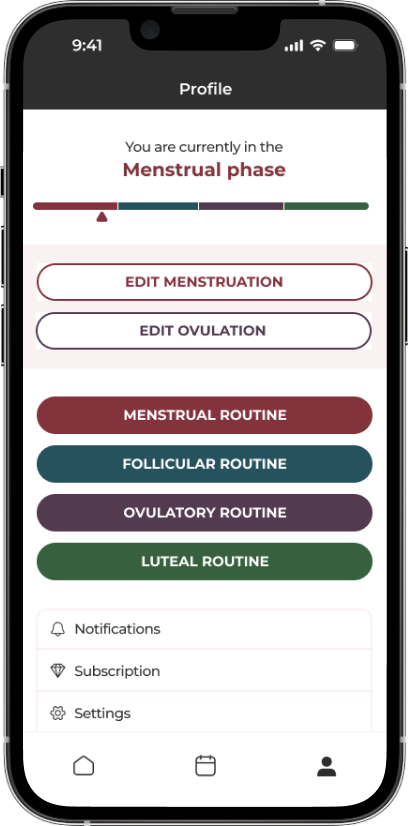
The App Made To Sync Your Lifestyle to Your Menstrual Cycle.
A solution for women who are looking to keep track of what they sync to their cycles, such as fitness, diet, etc. by adding it to a calendar that also predict their phases.
Learn more

Comment