
Can a Life Coach Be a Therapist?
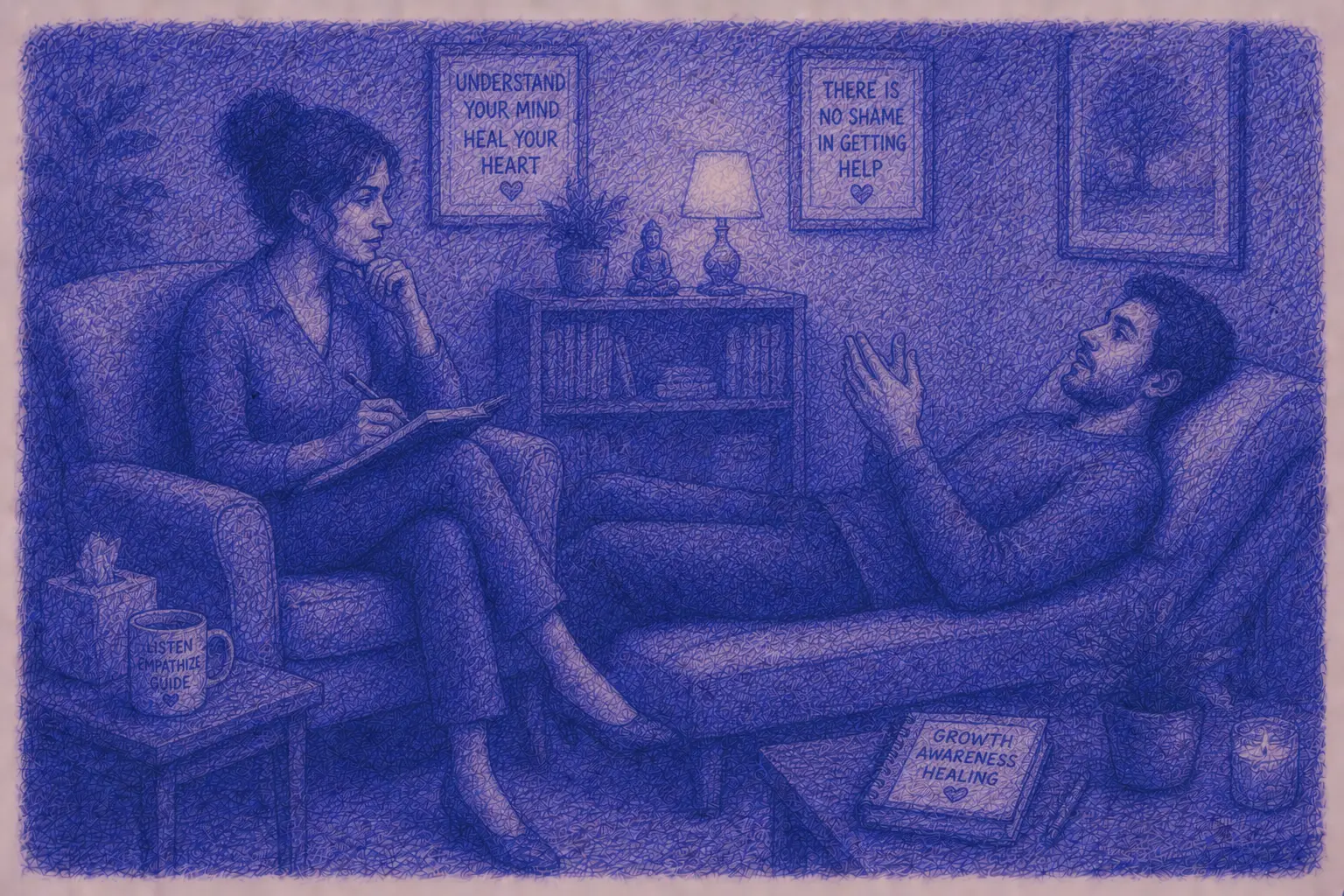
Short answer: no. A life coach is not a therapist, and the two aren’t interchangeable — different training, different qualifications, different work. People blur them because both involve sitting with someone who helps you with your life, but the distinction matters, especially if what you actually need is mental health care. Here’s the honest breakdown of who does what, and how to tell which one you need.
Coach vs Therapist: The Core Difference
A life coach helps you set and reach personal and professional goals — direction, motivation, accountability, building confidence and momentum. Coaches train through coaching programs, which vary a lot in length and rigour, and they are not licensed mental health professionals. They work with the present and the future.
A therapist is a licensed mental health professional trained to diagnose and treat mental health conditions — anxiety, depression, trauma, addiction and more. They hold advanced degrees, complete supervised clinical hours, and pass licensing exams, and they’re bound by professional ethics and medical privacy law. They can work with the past in a way coaching doesn’t. The credentials behind each title are genuinely different, which is exactly why a coach can’t stand in for one.

Check out the Free · Vision to Action Planner
More infoWhat Each One Helps With
A life coach is a good fit for things like:
- Career transitions and goal setting
- Time management and productivity
- Communication and relationship skills
- Building self-confidence and self-esteem
- Getting clear on your values and what you actually want
- Work-life balance, or starting a business
A therapist is the right professional for clinical concerns, including:
- Depression and mood disorders
- Anxiety and panic disorders
- Trauma and PTSD
- Addiction and substance abuse
- Eating disorders, OCD, personality disorders, and psychotic disorders
The simplest line: coaching is about building the life you want from a stable starting point; therapy is about treating something that’s hurting. If you’re not sure which describes you, the quiz below helps.
Quiz: Do You Need a Life Coach or Therapist?
This quick quiz will help you figure out which option might suit you best based on your current needs and goals. Read each question and choose the answer that feels most true to your situation. No email or payment required.
Regardless of your results, remember that both life coaches and therapists can play valuable roles in personal development. If you’re unsure, consider reaching out for a consultation with both to see which path feels right for you.
When a Coach Is the Right Call
Coaching tends to be the right choice when you’re functioning fine but want support to move forward. Consider a coach when:
1. You Have Clear Goals
You know roughly what you’re aiming for and want help building a plan and staying on it.
2. You Want Accountability and Motivation
You don’t lack ideas so much as follow-through, and having someone in your corner makes the difference.
3. You Want to Sharpen Specific Skills
Communication, confidence, time management — practical things you want to get better at.
4. You’re Going Through a Life Transition
A career change, a move, a big decision — a coach can help you steer a major life transition instead of just reacting to it.
5. You Want Broader Personal Growth
If the goal is more self-awareness and a more deliberate life, that overlaps heavily with personal development coaching.




When You Need a Therapist Instead
A coach is not a substitute for mental health treatment. See a licensed therapist or mental health professional when any of these are in play:
- Severe depression or thoughts of self-harm. If you or someone you know is having thoughts of suicide or self-harm, get help from a professional or a local crisis line right away — that’s an emergency.
- Anxiety disorders — generalized anxiety, panic disorder, social anxiety — which often need specialized treatment and sometimes medication.
- Trauma or PTSD, which calls for a therapist trained in trauma-focused work.
- Addiction or substance abuse, which needs specialized clinical treatment.
- Eating disorders or psychotic disorders, which can be life-threatening and require expert care.
The rule of thumb: for anything that’s hurting your mental health, choose a therapist, not a coach. Coaching can come later, or alongside, but never instead.
If you think coaching could be the right fit for where you are right now, get in touch.
About the Author

Paloma Chiara
Certified Life Coach
Guiding you toward your best self through mindful transformation.
Contact me
The perfect time was last quarter.
Tell me where you're stuck. We'll build the systems around it.
Let's startRecent posts
-
How to Take a Vacation as a Business Owner (Without the Guilt)
Read blog -
How to Overcome the Fear of Raising Your Prices
Read blog -
How to Handle Criticism as a Founder Without Losing Confidence
Read blog -
How to Stop Micromanaging Your Team
Read blog -
The Arrival Fallacy (Why Success Doesn't Feel Like Enough)
Read blog -
Why Business Owners Can't Switch Off From Work
Read blog
Comment