What Is the “Winter Arc” Challenge?

What Is the “Winter Arc” Challenge?
The phrase “winter arc” has taken over social media in the last couple of years, but it’s more than just a catchy buzzword. At its core, the winter arc challenge is about using the colder, quieter season to intentionally work on yourself. Just like characters in a story have arcs of growth, struggle, and transformation, a “winter arc” is your personal storyline where you commit to becoming a stronger, more disciplined version of yourself.
Let’s break it down question by question.
What Does It Mean to Be in a Winter Arc?
To be in a winter arc means deliberately entering a season of self-improvement during the colder months. Winter is a natural metaphor for retreat, reflection, and preparation. When everything outside slows down — the days are shorter, social events are fewer, and people tend to stay indoors — the winter arc asks you to use that time for building yourself from within.
This could look different for everyone. For some, it’s about mental clarity: journaling, meditating, and cutting off toxic habits. For others, it’s about discipline: waking up early, studying hard, and staying consistent in routines. The idea is that while everyone else might “hibernate” passively, you’re building momentum so that by spring, you emerge stronger, sharper, and more aligned with your goals.
Why Is the Winter Arc So Popular?
The winter arc has gained popularity because it taps into two powerful cultural ideas: storytelling and self-improvement. Social media thrives on narrative, and the term “arc” makes your personal growth feel cinematic. Instead of saying “I’m working on myself this winter,” saying “I’m in my winter arc” makes it sound like you’re the main character of your own story — and who doesn’t love that?
On a deeper level, winter already feels symbolic. It’s a season where many people feel stagnant or even struggle with seasonal depression. The winter arc flips that narrative, turning what could be a season of decline into one of progress. It’s also perfectly timed with the new year, when people naturally reflect on resolutions and long-term goals. Put all that together, and the winter arc becomes both a trend and a mindset that resonates across cultures and platforms.
Who Invented the Winter Arc?
There isn’t a single person who can be credited with inventing the winter arc. Like many internet trends, it evolved organically. The use of “arc” to describe phases in life comes from anime, storytelling, and fan culture, where characters go through arcs of growth or transformation. Online, people started applying it to real life: villain arc, healing arc, soft arc, etc.
The winter arc likely spread on TikTok and Twitter around the same time people were looking for motivation during the colder months. Influencers and everyday users began documenting their routines under the label of “winter arc,” and the idea snowballed. So while it doesn’t have one inventor, it has many contributors who helped turn it into a shared cultural phenomenon.
Where Did the Term Winter Arc Come From?
The root of the term is the word “arc.” In stories, an arc is the journey of a character: their struggles, challenges, and eventual transformation. Online culture picked this up as a way to frame real-life growth. Just like a hero in a story has a redemption arc or a training arc, regular people began describing their personal journeys in the same way.
Winter, of course, was the perfect season to attach to the idea. In mythology and literature, winter often symbolizes death, stillness, and waiting. But it also carries themes of rebirth and preparation. By combining the concept of “arc” with “winter,” the term created a vivid metaphor: a time where you disappear into the cold and emerge changed.
What Does Winter Arc Mean in the Gym?
Although this post focuses on the philosophical side, it’s worth mentioning how the winter arc is often used in fitness. For gym-goers, the winter arc is often the “bulking season,” where the focus is on eating more and training heavier to build strength. The idea is that you use the season to grow, then “cut” in the spring for a leaner summer physique.
This interpretation overlaps nicely with the self-improvement angle: both see winter as a time to build — whether it’s building muscle, building habits, or building mental toughness.
How to Start Your Winter Arc
Starting a winter arc doesn’t mean overhauling your entire life overnight. It’s about creating intentional habits that align with your goals. Here’s how:
- Define your vision. Ask yourself: who do I want to become by spring? More disciplined? Healthier? More confident?
- Set clear goals. Break your vision into concrete actions: e.g., journal 10 minutes a day, exercise three times a week, cut out mindless scrolling.
- Design your environment. Winter can feel isolating, but that’s also its strength. Create a cozy, distraction-free space that supports your goals.
- Build consistency. The arc isn’t about a single dramatic change but small, daily actions that accumulate over weeks.
- Document your journey. Journaling or vlogging not only keeps you accountable but also makes your “arc” feel like a real narrative you can look back on.
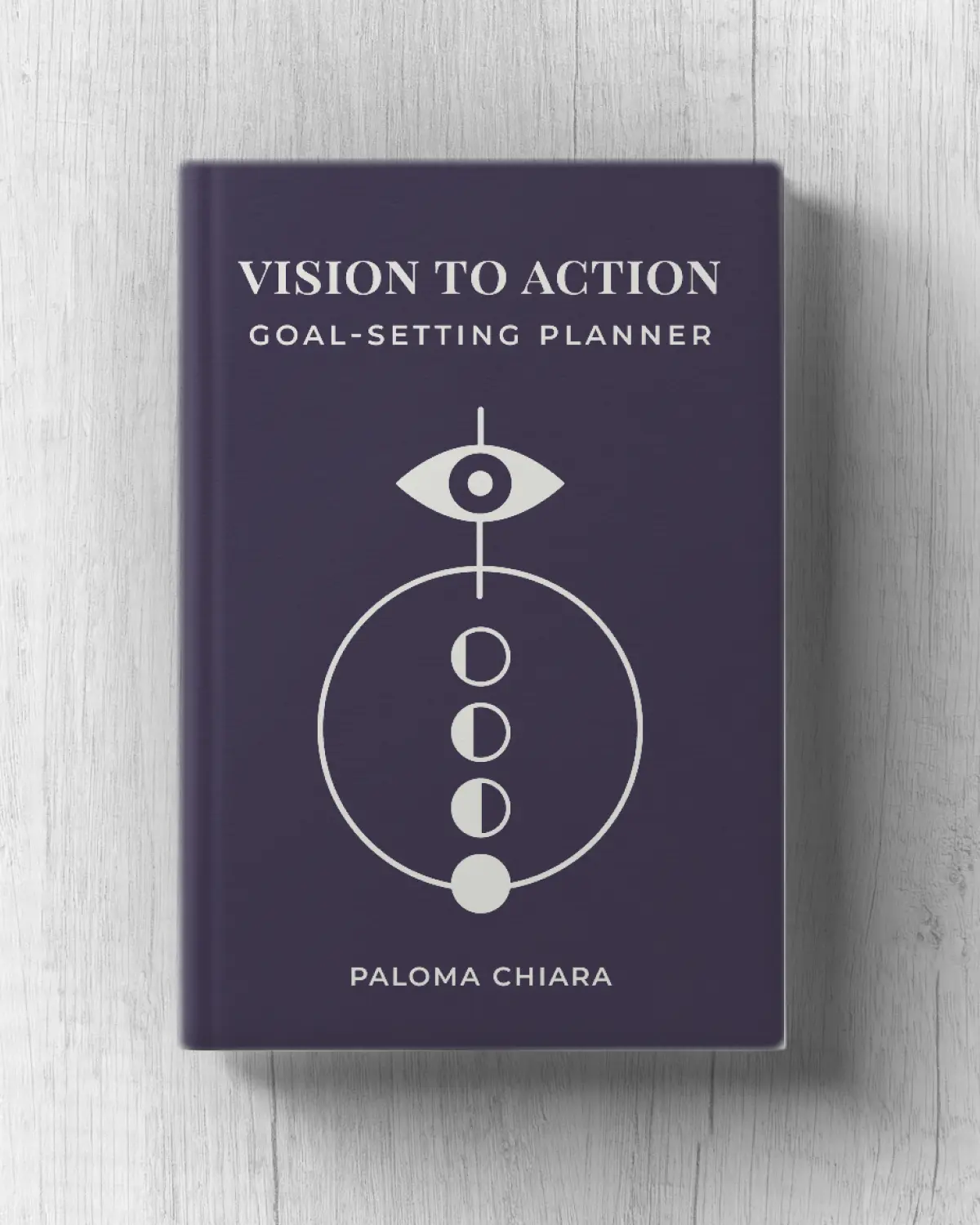
Check out the Vision to Action Planner for only 6$
More infoHow Long Is the Winter Arc?
Traditionally, the winter arc lasts the duration of winter — roughly three months, from December through February (or November through March depending on your climate). But it’s not a fixed rule. Some people start as early as fall to get ahead, while others extend their arc until spring if they’re still chasing their goals.
The key isn’t the exact timeframe, but the mindset: committing to a season of transformation rather than a quick two-week challenge. By giving yourself several months, you allow time for real habit formation and noticeable change.
Is the Winter Arc Good or Bad?
Like most self-improvement trends, the winter arc can be both good and bad depending on how you approach it.
The good:
- It encourages discipline during a season when people often lose motivation.
- It creates a sense of narrative, making personal growth feel exciting rather than tedious.
- It provides structure and purpose during darker months.
The bad:
- Social media can make it competitive, leading people to compare their “arc” to others.
- If approached with perfectionism, it can cause burnout or guilt.
- It may encourage isolation, even though people actually improve faster with the right support.
Ultimately, the winter arc is good if it’s about sustainable growth and self-discovery. It turns harmful if it becomes a pressure-filled performance.
Can You Fail the Winter Arc?
Failure in the winter arc is subjective. You can “fail” if you give up completely or abandon your goals without reflection. But setbacks and mistakes aren’t failure — they’re part of the arc. Remember: in stories, characters stumble before they transform.
The real failure is refusing to learn. If you fall off your schedule but get back up, you’re still in your arc. If you quit because you think you “ruined it,” then you’ve missed the point.
What Are the Rules of a Winter Arc?
There are no official rules, but common principles include:
- Consistency over intensity. Small habits done daily beat extreme efforts that fizzle out.
- Intention over appearance. Your arc is about growth, not showing off online.
- Discipline over mood. You won’t feel motivated every day — that’s where discipline carries you.
- Reflection over results. Tracking progress and learning from mistakes matters more than perfection.
Think of these as guiding principles rather than rigid rules. Every winter arc is personal and unique.
What Does the Winter Arc Schedule Look Like?
There’s no one-size-fits-all winter arc schedule, but a sample could look like this:
- Morning: Wake up early, journal or meditate, set intentions for the day.
- Daytime: Focused work or study sessions, limiting distractions.
- Afternoon: Exercise, skill-building, or personal projects.
- Evening: Wind down with reading, reflection, or gratitude journaling.
- Weekly focus: Meal prepping, digital detoxing, or deep cleaning to maintain order.
The point isn’t to copy someone else’s exact routine but to craft a structure that keeps you disciplined, productive, and aligned with your goals during the season.
Quiz: What Is Blocking Your Success?
This quick quiz will help you figure out which mental or behavioral pattern might be holding you back from achieving your full potential. Identifying your specific success blocker is the first step toward breaking through to new levels of achievement and fulfillment.
Read each question and choose the answer that feels most true to your situation.
No email or payment is required to complete the quiz and receive your personalized insights.
Once you have your primary success blocker, you have clarity about what’s been holding you back. This awareness is powerful—many people spend years struggling without understanding the specific pattern that’s limiting their progress.
Remember, these patterns aren’t permanent character traits but rather habitual ways of thinking and behaving that can be changed with the right guidance and practice.
If you’re ready to break through your specific blocker and achieve the success you know you’re capable of, send me an email to try out a coaching session. Your breakthrough awaits!
About the Author

Paloma Chiara
Certified Life Coach
Guiding you toward your best self through mindful transformation.
Contact me
Still waiting for the 'perfect time'?
Email me what you'd do if you stopped making excuses. We'll work backwards from there.
Let's startRecent posts
-
The Complete Guide to Becoming a High Achiever
Read blog -
How To Make a Positive Impact in Your Community
Read blog -
What Is the “Winter Arc” Challenge?
Read blog -
What Is "the Great Lock-In" and Should You Try It?
Read blog -
What Are the 75 Hard and Soft Challenges?
Read blog -
How to Validate Yourself
Read blog

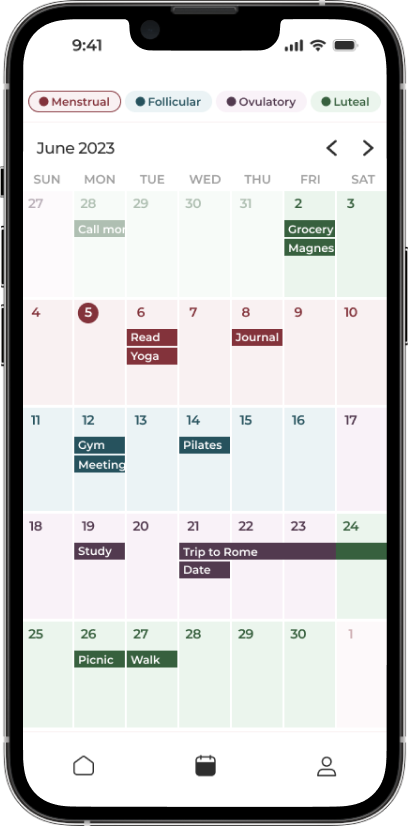
The App Made To Sync Your Lifestyle to Your Menstrual Cycle.
A solution for women who are looking to keep track of what they sync to their cycles, such as fitness, diet, etc. by adding it to a calendar that also predict their phases.
Learn more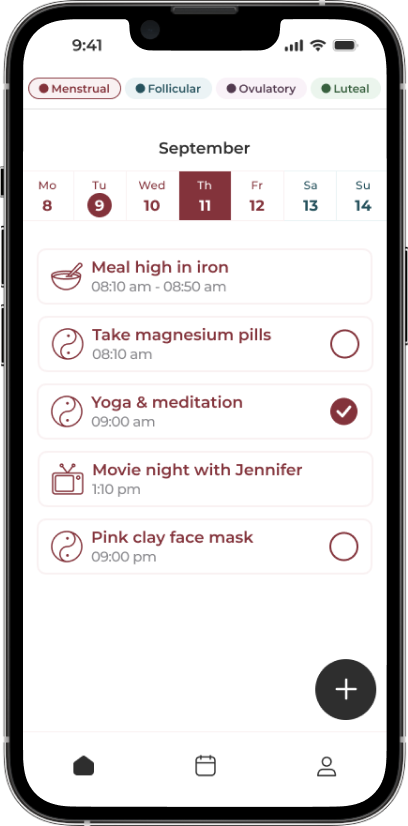
Comment