
Can a Life Coach Help You Lose Weight?
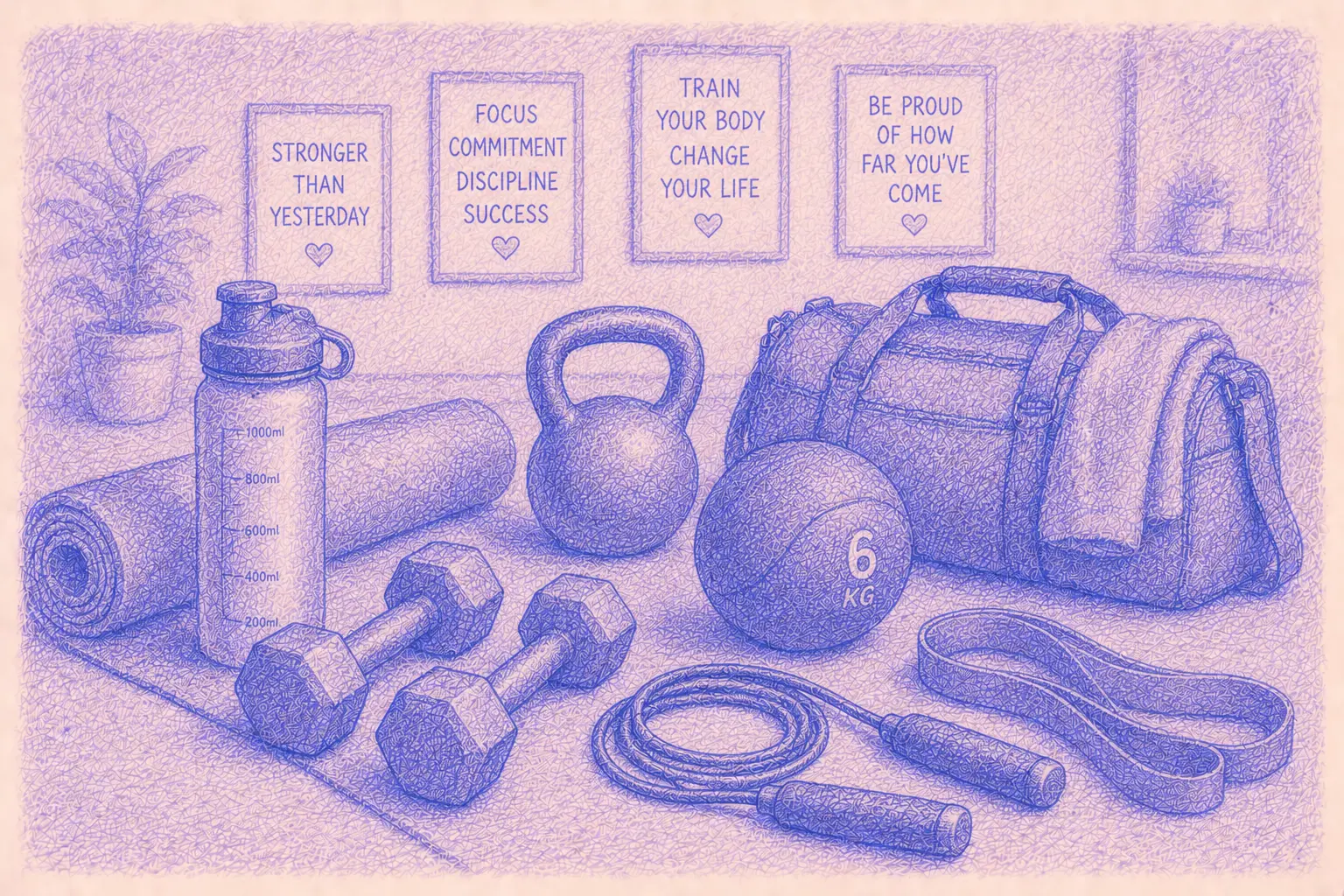
Yes, a life coach can help you lose weight — just not the way most people expect.
I’m not going to hand you a meal plan or write your workout split. That’s not the job. What I’m actually good at is the part that quietly wrecks most weight-loss attempts before the diet or the gym membership ever gets the blame: the all-or-nothing thinking, a goal that was never specific enough to hit, and the pattern where “I’ll start Monday” becomes a permanent identity instead of a plan.
Where a Life Coach Actually Helps
Turning a Vague Goal Into a Real One
“Lose weight” isn’t a goal. It’s a wish. My job is forcing the specifics: how much, by when, and what you’re doing differently starting tomorrow morning. “Down 15 pounds by December 1st, three strength sessions a week, no negotiating on Mondays” is a goal you can actually hit or miss. “Get healthier” isn’t.
Accountability When No One’s Watching
Most people don’t fall off a weight-loss plan because they lack information. They fall off because nobody notices when they skip the gym for the fourth day running. A coach notices. Harvard Business Review’s research on follow-through backs this up — publicly committing to a goal and checking in regularly makes you dramatically more likely to stick with it.
Motivation for the Weeks That Feel Pointless
Week six is where most plans die. The scale hasn’t moved in ten days and the novelty wore off around week two. Getting someone through that flat stretch is coaching’s actual job — I reconnect the goal to why it mattered in the first place, since what the scale said this morning rarely does the trick.
A client of mine had a solid nutrition plan from her dietitian and a solid training schedule from her gym. What she didn’t have was anyone checking whether she actually did either of them. So we built a weekly review: what she did versus what the plan said, what got in the way, one adjustment for next week. Plans change once they meet a real week. Catching the drift in week two beats noticing it in month three.

Check out the Free · Vision to Action Planner
More infoRebuilding the Habits Underneath the Habit
Weight loss rarely fails because of the food itself. It fails because of what’s underneath it: stress eating at 11pm, skipping sleep, using food to avoid a hard conversation. A coach can help you spot the habit loop actually driving the behavior and redesign the trigger, instead of white-knuckling the craving every single night.
Where a Life Coach Falls Short
Hiring a life coach as your only weight-loss resource is a mistake, and I want to be specific about why.
No Nutrition Training
A sustainable diet is built on real science: macros, deficits, how your specific body responds to food. I’m not trained to build that plan, and neither is almost any life coach you’ll find. That work belongs to a dietitian.
No Exercise Science Background
Designing a program that builds strength without wrecking your knees takes real training in exercise physiology. A certified trainer has that training. I don’t.
Medical Factors We Can’t Touch
Hormonal imbalances, thyroid issues, medication side effects can stall weight loss no matter how disciplined you are. That’s a conversation for your doctor.
One Plan Doesn’t Fit Everyone
What worked for your coworker won’t necessarily work for you. Age, medical history, metabolism, and a dozen other variables change the answer. Generic advice from anyone, including me, only gets you so far.
Realistic Timelines Aren’t My Call Either
A dietitian or physician can tell you what a safe, sustainable rate of loss looks like for your body. I can’t, and I won’t guess. What I can do is keep you honest about the gap between the timeline you were given and the one you’re secretly hoping for, because that gap is usually where the frustration and the quitting happen. I’ve had clients get a completely reasonable 12-week timeline from a professional and then quietly expect results in three. That mismatch, not the plan itself, is what makes them quit in week four.
If you’d like to explore working together, get in touch.
Quiz: What Is Blocking Your Success?
This quick quiz will help you figure out which mental or behavioral pattern might be holding you back from achieving your full potential. Identifying your specific success blocker is the first step toward breaking through to new levels of achievement and fulfillment.
Read each question and choose the answer that feels most true to your situation.
No email or payment is required to complete the quiz and receive your personalized insights.
Once you have your primary success blocker, you have clarity about what’s been holding you back. This awareness is powerful—many people spend years struggling without understanding the specific pattern that’s limiting their progress.
Remember, these patterns aren’t permanent character traits but rather habitual ways of thinking and behaving that can be changed with the right guidance and practice.
If you’re ready to break through your specific blocker and achieve the success you know you’re capable of, send me an email to try out a coaching session. Your breakthrough awaits!
Who Can Actually Help You Lose Weight
If weight loss is the real goal, here’s who to call instead of, or alongside, a coach.
Registered Dietitian
Licensed, trained in nutrition science, and able to build a meal plan around your actual body instead of a generic template pulled off the internet.
Certified Personal Trainer
Someone who understands exercise physiology well enough to build a program that matches your current fitness level and doesn’t wreck your joints by month two.
Bariatric Physician
For anyone carrying significant weight or dealing with obesity-related health conditions, this is medical territory. A bariatric physician can offer treatment options a coach simply can’t.
Behavioral Therapist
Emotional eating, body image, the psychology behind why food became a coping mechanism in the first place — that’s therapy territory. Psychology Today has a useful breakdown of where coaching ends and therapy begins if you’re not sure which one fits your situation.
Where I Actually Fit In
Hire the dietitian for the food, the trainer for the body, the doctor for the medical piece. Bring in a coach for the goals and the follow-through. I’ve watched clients build airtight nutrition plans and still fail, because nobody was managing the mindset holding the whole thing together — the guilt spiral after a missed week, the all-or-nothing thinking that turns one bad day into a lost month. That’s the gap I fill.

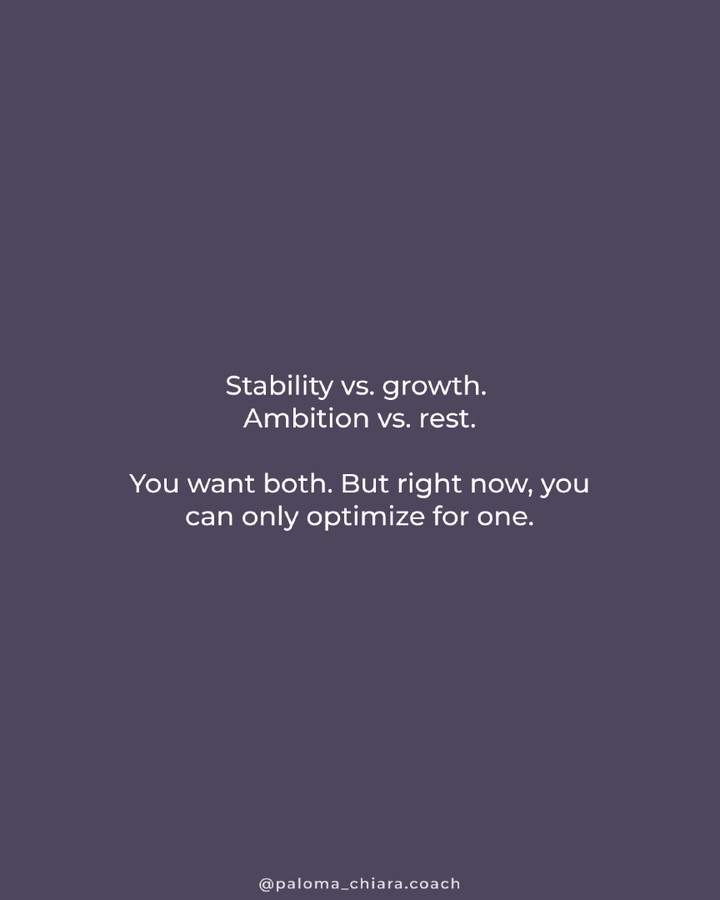



If you’re running on empty and calling it discipline, deal with the burnout first. Running on empty is exactly why the 11pm stress eating starts.
Weight loss isn’t really about willpower. It’s about building a system honest enough that you can’t quietly quit on a Tuesday without noticing. If you want help with that part — the goals, the accountability, the follow-through — send me an email.
About the Author

Paloma Chiara
Certified Life Coach
Guiding you toward your best self through mindful transformation.
Contact me
The perfect time was last quarter.
Tell me where you're stuck. We'll build the systems around it.
Let's startRecent posts
-
How to Overcome the Fear of Self-Promotion as a Business Owner
Read blog -
How to Take a Vacation as a Business Owner (Without the Guilt)
Read blog -
How to Overcome the Fear of Raising Your Prices
Read blog -
How to Handle Criticism as a Founder Without Losing Confidence
Read blog -
How to Stop Micromanaging Your Team
Read blog -
The Arrival Fallacy (Why Success Doesn't Feel Like Enough)
Read blog
Comment