
Can You Life Coach Yourself?
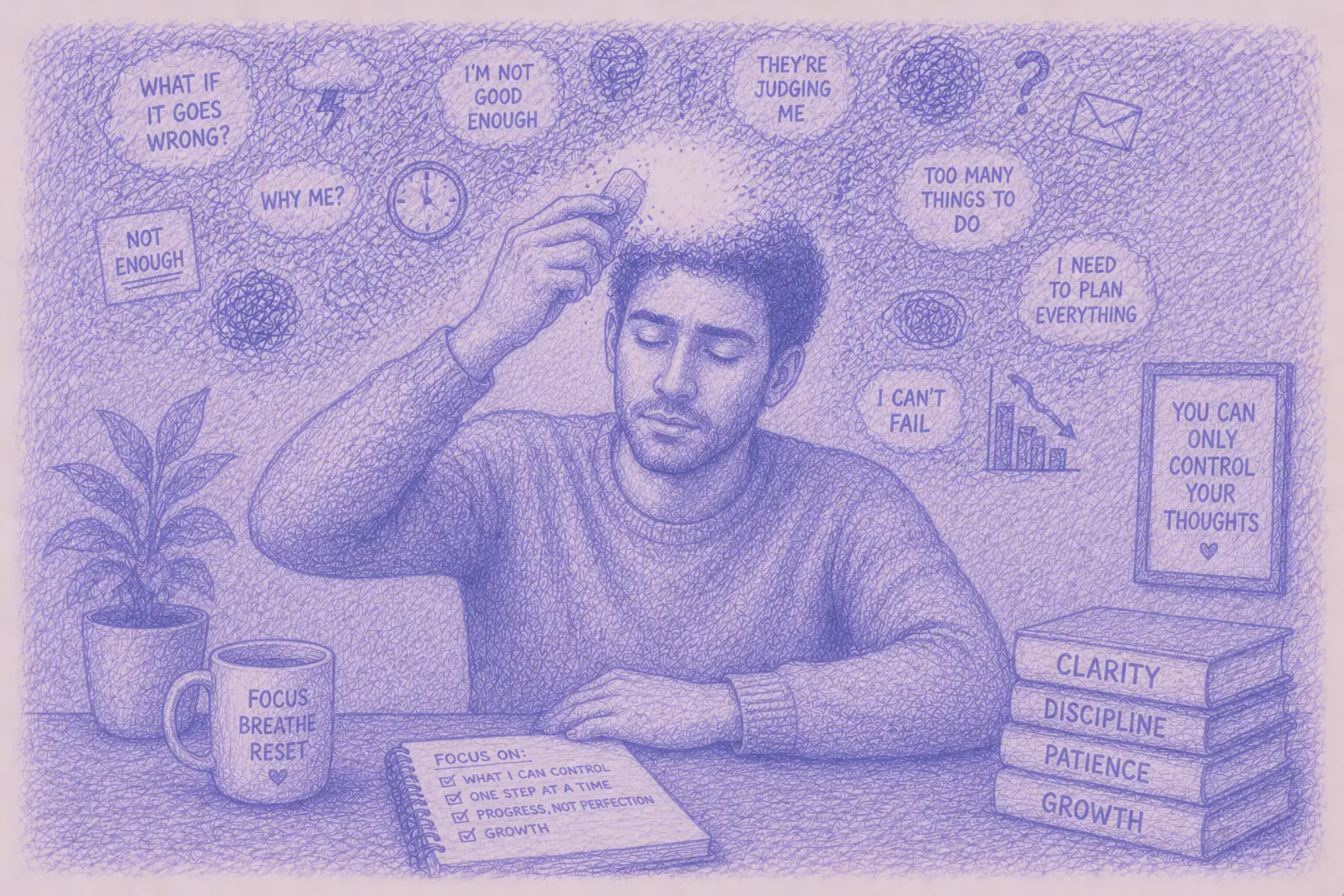
Yes, you can coach yourself. You can set your own goals, block time for them, and reflect on what’s working. The harder question is whether it holds up once life gets in the way — and for most people, it doesn’t, not because they lack willpower, but because self-coaching is missing the one thing that makes coaching work: someone outside your own head.
I’ve coached over 130 clients, and the pattern is consistent. People don’t come to me because they don’t know what to do. They come because knowing hasn’t been enough. HBR’s own guide to coaching yourself makes the same point — self-coaching is a real skill worth building, but it’s a complement to outside support, not a replacement for it.
What Self-Coaching Actually Takes
Doing this alone isn’t impossible. It just asks a lot of you at once, and most people underestimate how much until they’re three weeks in and the plan has quietly stalled.
1. Self-Discipline
You need to set goals, build a plan, and follow it with no one checking in. That’s the whole job when there’s no coach in the room — you’re both the one setting the bar and the one enforcing it. There’s no version of this where you get to negotiate with yourself and still call it discipline.
2. Self-Motivation
Motivation dips for everyone, coached or not. The difference is what happens on the low days. With a coach, a scheduled call keeps you moving even when you don’t feel like it. Alone, the only thing pulling you forward is whatever drive you can generate on your own — and that’s an unreliable engine to run a whole plan on.
3. Honest Self-Reflection
You have to see your own blind spots, which is exactly the part self-coaching struggles with. It’s hard to spot the story you’re telling yourself when you’re the one telling it. Most people default to the explanation that lets them off the hook, not the one that’s actually true.
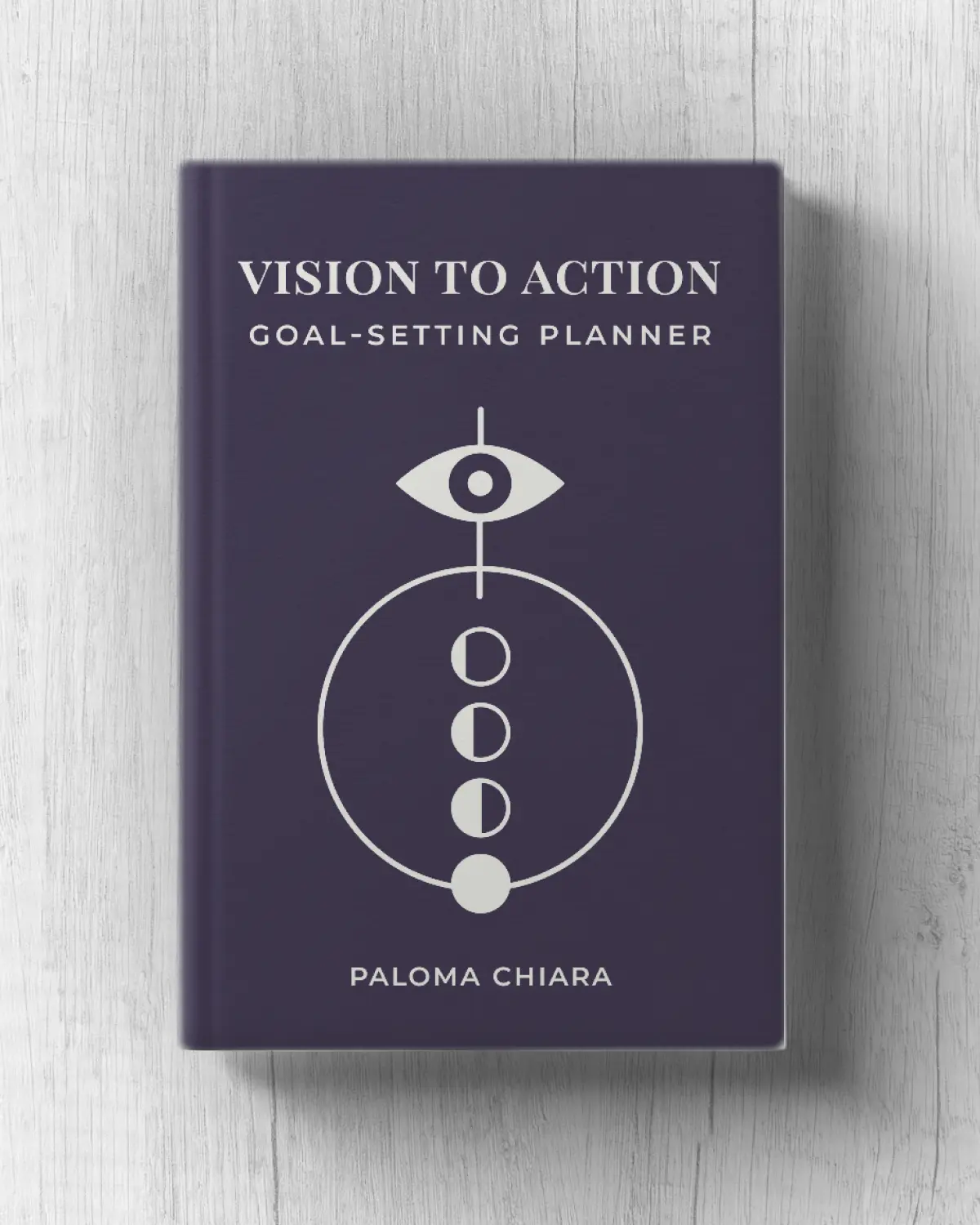
Check out the Free · Vision to Action Planner
More info4. Time Management
Personal development competes with everything else on your plate. Without a scheduled check-in forcing the issue, it’s the first thing to slip when work gets loud. A goal with no fixed slot on the calendar isn’t a goal — it’s a wish with a deadline you’ll keep pushing back.
5. Goal-Setting Skill
Vague goals don’t survive a busy week. You need a framework for turning “get healthier” into something specific enough to actually act on — goal-setting theory is a good place to start if you want the structure behind it.
6. Emotional Resilience
Setbacks happen to everyone doing this work, coached or not. What changes is how fast you recover. Without someone to talk you off the ledge after a bad week, you need your own way back to steady — and building that skill from scratch, while also trying to hit your goals, is a lot to carry at once.
Where Self-Coaching Breaks Down
Even with all six of those in place, there are gaps a coach closes that you genuinely can’t close alone.
An Outside View
You can’t see your own blind spots by definition — that’s what makes them blind spots. A coach catches the pattern you’ve been circling for months without naming it, usually in the first conversation.
Personalized Structure
A generic framework from a book or a podcast wasn’t built for your specific situation. A coach adapts the approach as they learn what actually applies to you, instead of you trying to guess which parts of a one-size-fits-all system to keep and which to drop.
Real Accountability
Knowing what to do and doing it are different skills. HBR’s research on holding yourself accountable backs this up: external structure consistently beats internal pressure, even for people who are plenty disciplined elsewhere. Motivation alone doesn’t hold — you need a system behind it, and a system with no one checking it stays theoretical.
Getting Past Limiting Beliefs
A lot of what blocks people isn’t circumstance, it’s a quiet belief that they can’t. I won’t call the method anything fancier than what it is: asking the specific question that gets past the rehearsed answer, until the real block surfaces. Reading about common limiting beliefs helps you name the pattern — untangling it with someone else is what actually moves it. If self-doubt is the real thing underneath, it’s worth reading about imposter syndrome too.
Expertise You Haven’t Had to Build
A trained coach has run this process with dozens of people, not just themselves once. They’ve seen which approach works for which kind of block, so you’re not guessing at your own case in isolation.
If You’re Going to Self-Coach, Do It Like This
If a coach isn’t in the cards right now, don’t just wing it. A few things make self-coaching actually hold up:
- Put a real deadline on open-ended work. “Research options” with no end point is a trap — you’ll circle it for weeks. Give it a fixed window, like two hours on Tuesday, and stop when the window closes.
- Write your goals somewhere you’ll see daily, not buried in a note you forget exists. I run my own plan through one connected system — a place where the month, the week, and today all link together — because a goal that only lives in your head gets crowded out by whatever’s loudest that day.
- Find one person to report to, even if it’s not a professional. A friend who asks “did you do the thing” on Friday is worth more than another app.
- Review weekly, not daily. Daily check-ins turn into self-criticism. A weekly look at what moved and what didn’t gives you enough distance to be honest without spiraling.
When Self-Coaching Actually Works
Self-coaching isn’t a lost cause. It just fits a narrower set of situations than the self-help industry likes to admit.
Your Goals Are Already Well-Defined
If you know exactly what you’re aiming for and you’re already disciplined, self-coaching can work well for fine-tuning, not for the initial clarity-finding.
You Have Real Self-Awareness
Some people genuinely can see their own patterns clearly. If that’s you, you need less outside perspective than most — though even the most self-aware people I’ve worked with still missed something a second pair of eyes caught fast.
Coaching Isn’t Accessible Right Now
If cost or location rules it out for now, self-coaching is a real starting point — just don’t mistake it for the same thing as having someone in your corner.
If you’d like to explore working together, get in touch.
Quiz: What Is Blocking Your Success?
This quick quiz will help you figure out which mental or behavioral pattern might be holding you back from achieving your full potential. Identifying your specific success blocker is the first step toward breaking through to new levels of achievement and fulfillment.
Read each question and choose the answer that feels most true to your situation.
No email or payment is required to complete the quiz and receive your personalized insights.
Once you have your primary success blocker, you have clarity about what’s been holding you back. This awareness is powerful—many people spend years struggling without understanding the specific pattern that’s limiting their progress.
Remember, these patterns aren’t permanent character traits but rather habitual ways of thinking and behaving that can be changed with the right guidance and practice.
If you’re ready to break through your specific blocker and achieve the success you know you’re capable of, send me an email to try out a coaching session. Your breakthrough awaits!


About the Author

Paloma Chiara
Certified Life Coach
Guiding you toward your best self through mindful transformation.
Contact me
The perfect time was last quarter.
Tell me where you're stuck. We'll build the systems around it.
Let's startRecent posts
-
How to Overcome the Fear of Self-Promotion as a Business Owner
Read blog -
How to Take a Vacation as a Business Owner (Without the Guilt)
Read blog -
How to Overcome the Fear of Raising Your Prices
Read blog -
How to Handle Criticism as a Founder Without Losing Confidence
Read blog -
How to Stop Micromanaging Your Team
Read blog -
The Arrival Fallacy (Why Success Doesn't Feel Like Enough)
Read blog
Comment