
How to Life Coach Yourself
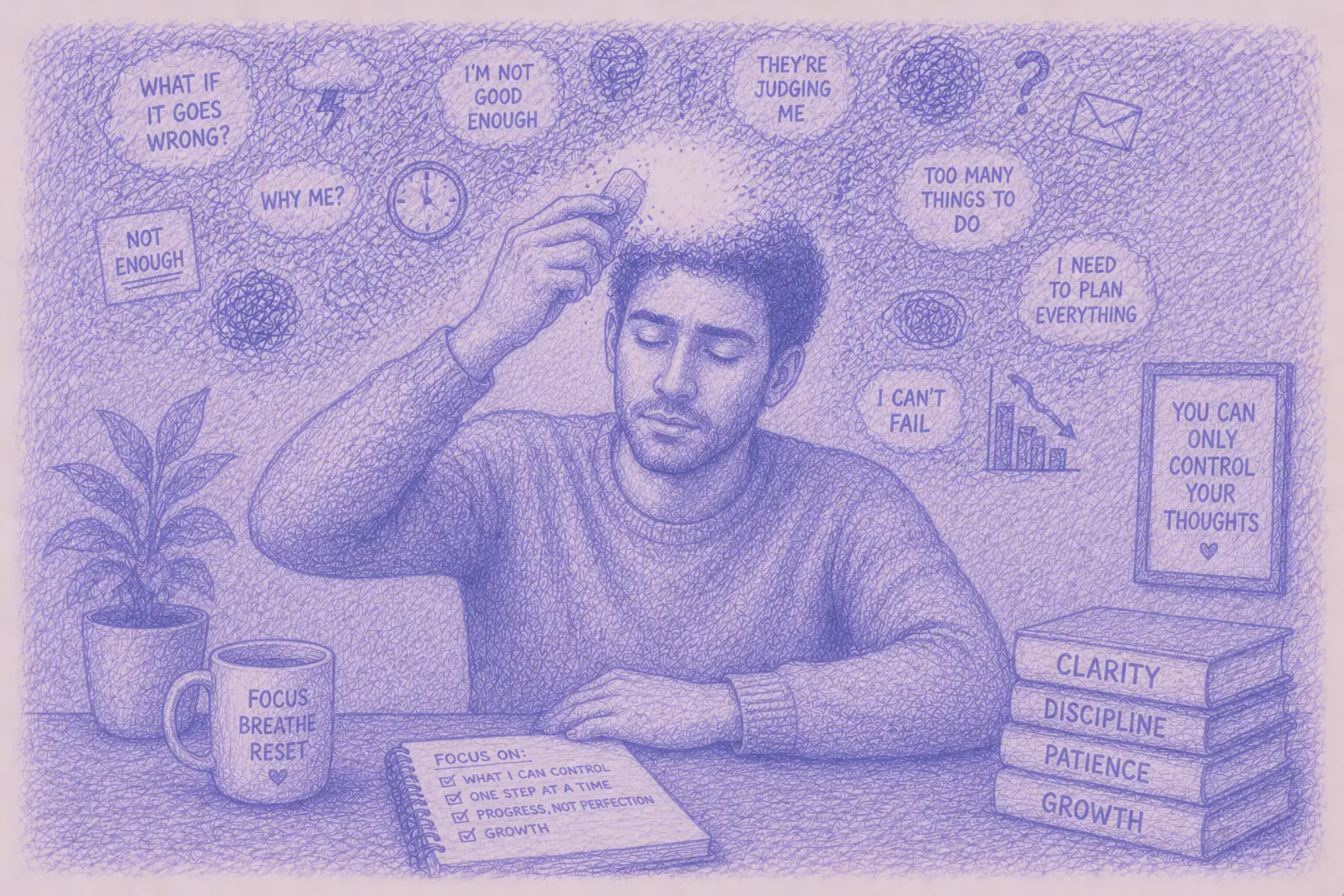
Yes, you can coach yourself. But it takes more than good intentions — it takes structure, honesty, and a way to hold yourself accountable when nobody’s watching.
I’ve talked to people who spent months trying to self-coach through a career change or a confidence problem before they ever hired anyone. Some had already built solid systems. Others just needed one good question they hadn’t asked themselves yet. Here’s what actually works if you’re doing this on your own.
What Self-Coaching Actually Requires
Self-discipline is the foundation. You’re the one setting deadlines, and you’re the one enforcing them. There’s no one else in the room to notice if you slide.
Self-awareness comes next. Look honestly at your patterns — where you avoid things, where you stall, where you talk yourself out of the hard call. If you already loop through the same limiting beliefs every time you hit a wall, name them before you start.
You need goals specific enough to act on. Not “get healthier” — “run three times a week starting Monday.” Vague goals don’t fail because you lack willpower. They fail because there’s nothing concrete to do on a Tuesday morning.
Check out the Free · Vision to Action Planner
More infoTime management matters more than people think. You’re doing this work around a job, a family, a life — so you need a real system, not just motivation. And you’ll hit obstacles you didn’t plan for. Being someone who solves problems instead of stalling on them is half the job.
Emotional intelligence rounds it out. You’ll hit frustration and self-doubt doing this alone. Notice it, name it, keep moving. That’s the actual skill.
Accountability ties it all together. Without a coach checking in, you have to build your own checkpoints: a weekly review, a friend who asks how it’s going, a tracker you actually update. HBR’s research on self-accountability backs this up — going public with a goal and enlisting someone to check on your progress makes you dramatically more likely to follow through.
I run my own life through one connected system in Notion: month and week planning that cascades down into the actual day, alongside health and mindset tracking. It’s not a trick, it’s just accountability I built for myself because no one else was going to check. You don’t need the same setup. You need something that plays that role.
How to Coach Yourself, Step by Step
Get specific about what you actually want. Not “be more successful” — write down the real outcome, with a number or a date attached if you can.
Break that goal into an action plan with real steps, then attach a deadline to each one. A goal without a timeline is a wish, not a plan. If you want a framework for this, goal-setting theory is worth twenty minutes of your time.
Review your progress on a fixed schedule. Weekly works well for most people. Be honest about what you did and didn’t do. If you skipped three days straight, ask why instead of just feeling bad about it.
Ask people you trust for feedback. A friend, a mentor, a colleague who’s blunt with you. Outside perspective catches blind spots you can’t see from inside your own head.
Expect friction. Procrastination shows up for almost everyone doing this alone. Plan for it instead of being surprised by it every single time.
Adjust as you go. What worked in month one might not work in month three. Rebuild the plan when it stops fitting your life — don’t force a system that’s stopped working out of stubbornness.
Celebrate the wins, even the small ones. If you only mark the big milestones, you’ll run out of motivation long before you reach them.

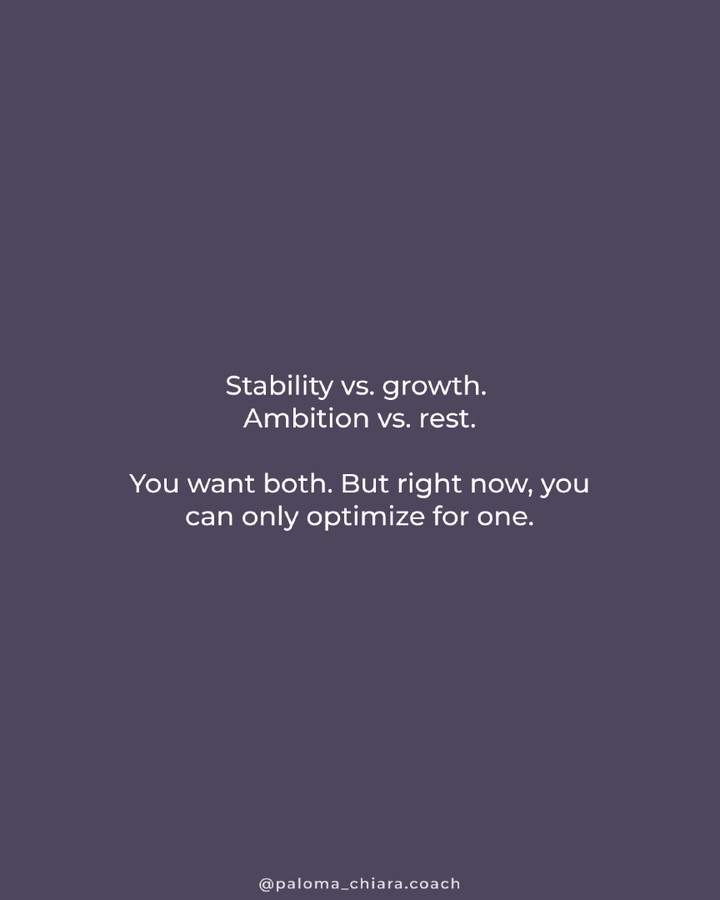

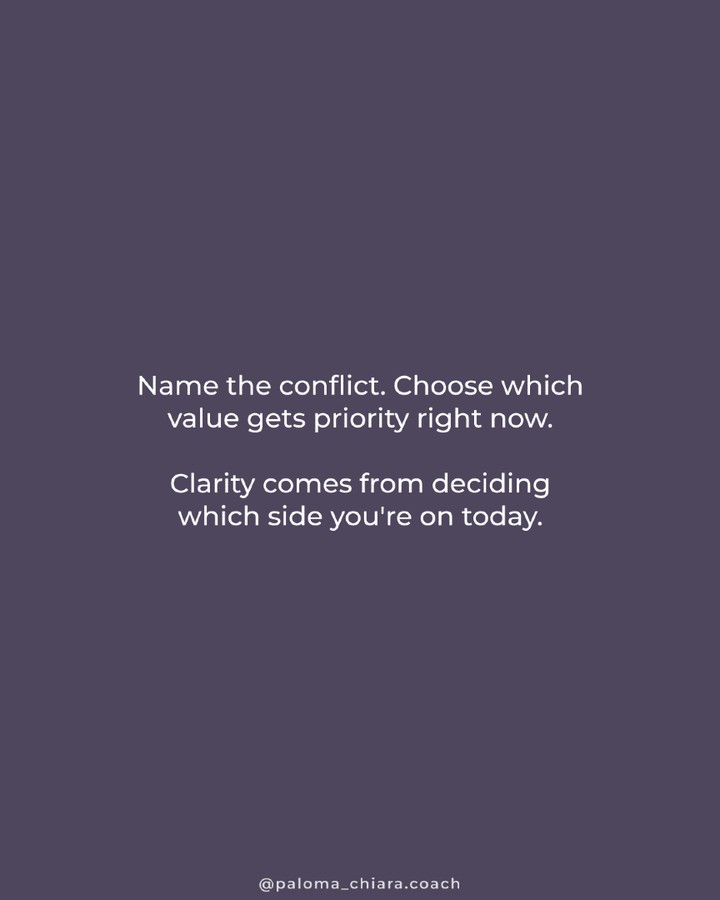

Mistakes That Stall Self-Coaching
Three mistakes show up again and again in people trying to do this alone.
The first is tracking only the outcome, not the attempt. If you measure success by “did I hit the goal” instead of “did I show up today,” one bad week feels like proof the whole plan failed. Track the attempts. The outcome follows.
The second is changing the plan every time it gets hard. Adjusting a system that’s genuinely not working is smart. Abandoning it the first time it feels uncomfortable is just avoidance wearing a productivity costume.
The third is skipping the review. It’s the step people cut first when they’re busy, and it’s the one that actually catches problems early. Miss four weeks of honest review and you won’t notice you’ve drifted until you’re months off course.
The fourth is trying to overhaul everything at once — career, health, relationships, finances, all in the same month. Pick one goal and run it properly before you stack a second on top. A self-coaching plan with five priorities isn’t a plan, it’s a wish list with extra steps.
When Self-Coaching Isn’t Enough
Self-coaching works until it doesn’t. Here’s when to bring in outside help.
If you’re genuinely stuck for months, not just having an off week, a professional can see what you can’t from inside your own loop. That’s not a failure. It’s the same reason athletes keep a coach even after they’ve mastered the fundamentals.
If you can’t get clear on what you actually want, or the goal keeps shifting every time you sit down to plan, you need someone asking sharper questions than the ones you’re asking yourself.
Quiz: What Is Blocking Your Success?
This quick quiz will help you figure out which mental or behavioral pattern might be holding you back from achieving your full potential. Identifying your specific success blocker is the first step toward breaking through to new levels of achievement and fulfillment.
Read each question and choose the answer that feels most true to your situation.
No email or payment is required to complete the quiz and receive your personalized insights.
Once you have your primary success blocker, you have clarity about what’s been holding you back. This awareness is powerful—many people spend years struggling without understanding the specific pattern that’s limiting their progress.
Remember, these patterns aren’t permanent character traits but rather habitual ways of thinking and behaving that can be changed with the right guidance and practice.
If you’re ready to break through your specific blocker and achieve the success you know you’re capable of, send me an email to try out a coaching session. Your breakthrough awaits!
If you’re dealing with something heavier — persistent self-doubt, an emotional block that won’t move no matter how many action plans you write — that’s outside what coaching is built for. Psychology Today has a clear breakdown of where coaching ends and therapy begins, worth reading before you decide which one you actually need.
Complex situations move faster with someone who’s navigated similar terrain before. If a persistent fear of failure is what’s actually stalling you, name it directly instead of coaching around it indefinitely.
And if accountability alone is your gap — you know exactly what to do, you just don’t do it without someone checking in — that’s the clearest sign you need a coach, not another framework.
Self-coaching is real work, and plenty of people do it well. Knowing when to ask for help is part of the discipline, not a failure of it. If you’ve hit a wall you can’t move past on your own, send me an email and let’s figure out what’s actually in the way.
About the Author

Paloma Chiara
Certified Life Coach
Guiding you toward your best self through mindful transformation.
Contact me
The perfect time was last quarter.
Tell me where you're stuck. We'll build the systems around it.
Let's startRecent posts
-
How to Overcome the Fear of Raising Your Prices
Read blog -
How to Handle Criticism as a Founder Without Losing Confidence
Read blog -
How to Stop Micromanaging Your Team
Read blog -
The Arrival Fallacy (Why Success Doesn't Feel Like Enough)
Read blog -
Why Business Owners Can't Switch Off From Work
Read blog -
How to Set Boundaries with Your Team Without Feeling Like a Bad Boss
Read blog
Comment