
How to Overcome Analysis Paralysis as a Business Owner

You’ve reread the pricing page for the fifth time this week, and asked two more people what they’d do in your place. Nothing new showed up in that last hour of research. You just didn’t want to decide yet.
That’s analysis paralysis, and it costs a business more than a wrong call ever would. A bad decision at least teaches you something. A decision you never make just sits there, getting more expensive by the week.
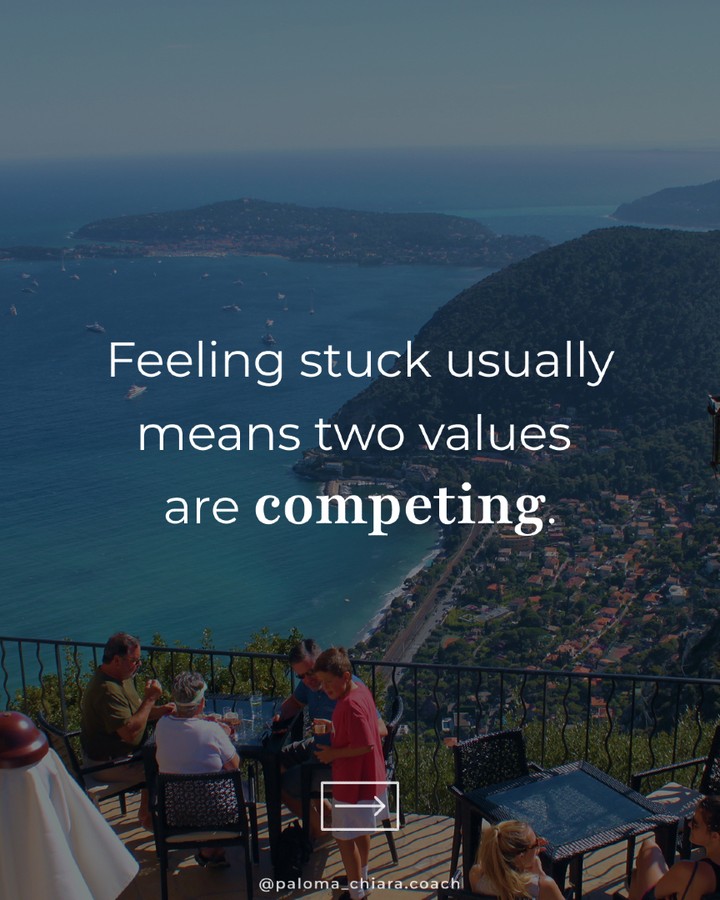
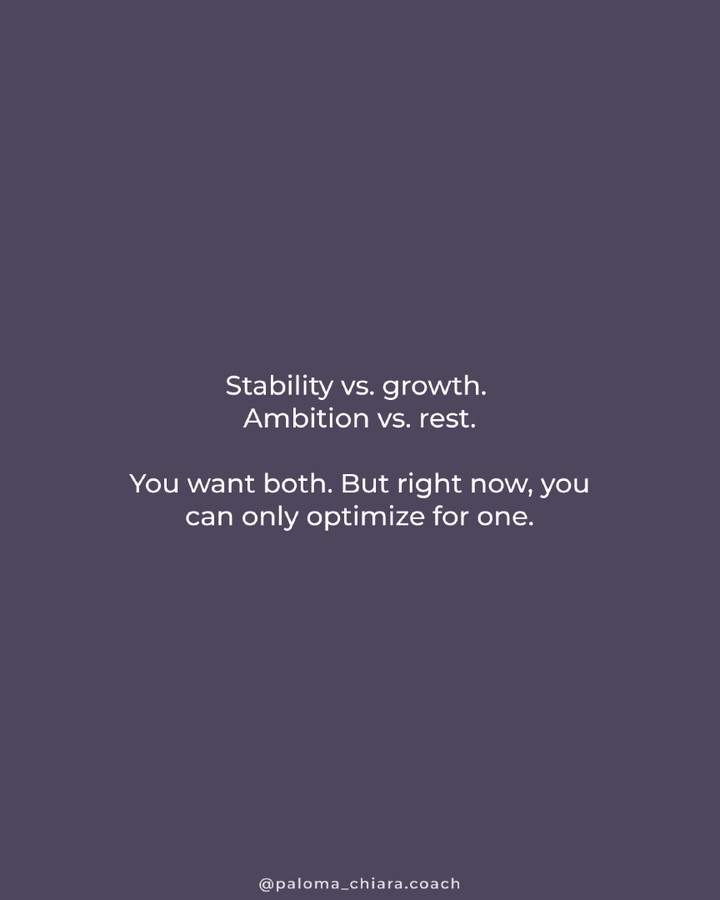

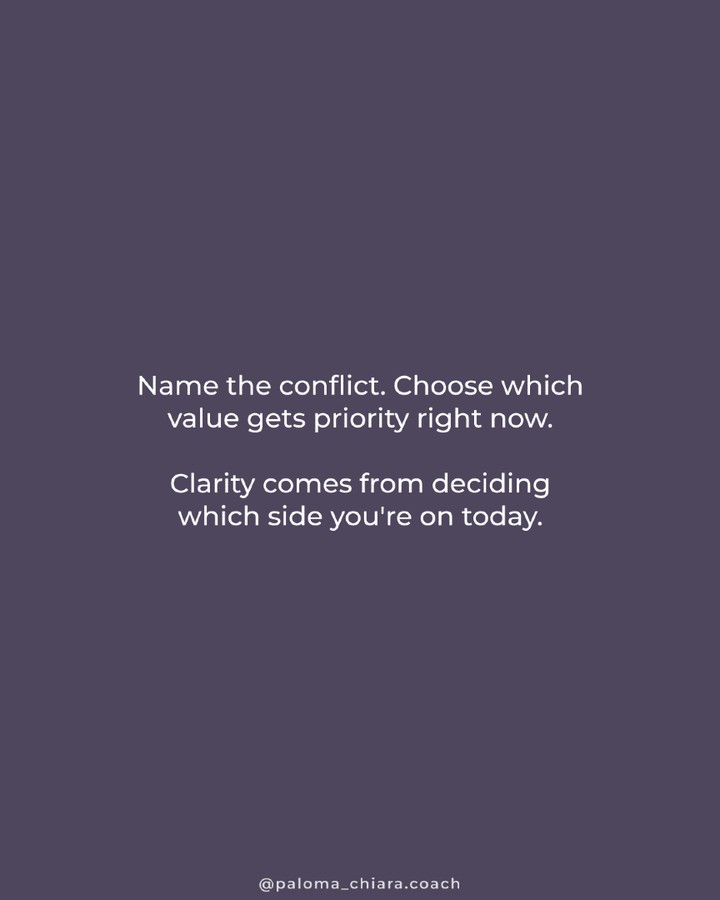

What Analysis Paralysis Actually Looks Like In Business
From the outside, it looks like “due diligence.”
Another spreadsheet. One more round of feedback from people who weren’t going to change your mind anyway. A wait for a sign that isn’t coming, because no amount of research makes an uncertain decision certain.
The tell is repetition. If you’re gathering the same information for the third time, you’ve stopped researching and started stalling.
Why More Information Doesn’t Fix It
The instinct is to solve the freeze with more research, even though the research is rarely where the block actually lives.
The APA has documented how added choices push people toward avoiding a decision altogether, not toward a better one. Past a certain point, more options and more data raise anxiety instead of lowering it.
For a business owner, that point arrives fast. You’re not choosing between two low-stakes options. You’re weighing whether to make a hire or change your pricing, and no dataset removes the risk from either one.
The more the decision matters, the more information starts to feel like control, when really it’s just a way to postpone the moment where you have to act without a guarantee. That moment comes eventually whether you gather more data or not.
The Fear Underneath The Overthinking
Underneath the spreadsheets is usually a simpler fear: getting it wrong with no one else there to catch it.
When you’ve built something from nothing, a bad call feels like proof you shouldn’t have tried. That’s a heavier weight to carry into a decision than the decision itself deserves, and it sits close to why letting go of control feels so unsafe in the first place.
I didn’t have a plan when I moved to Spain from France at 21, just six months to become financially independent and no fallback if it didn’t work. Waiting for the decision to feel safe would have meant waiting forever. Most business decisions work the same way: the certainty you’re stalling for doesn’t exist yet, and it won’t until you act and find out.
Check out the Free · Vision to Action Planner
More infoHow To Make A Decision When You’re Stuck
Set a deadline before you start researching, not after. Parkinson’s Law applies to decisions as much as tasks: give yourself a week to decide and you’ll use the whole week, whether you need it or not.
Separate what can be undone from what can’t. A bad hire can be corrected in 90 days. A wrong domain name can be changed in an afternoon. Most business decisions are far more reversible than the panic around them suggests, and treating them that way frees you to move.
Decide what “enough information” looks like before you start, then stop once you hit it. Harvard Business Review’s research on tough calls points the same way: judgment, not more data, is what closes the gap once the facts run out.
This overlaps with decision fatigue, except the exhaustion here comes before the decision instead of after it. Both drain from the same reserve.
Ask what you’d tell a client stuck on this exact call. Most business owners can spot the obvious move for someone else in minutes. It’s only their own decisions that get the endless research treatment, because their own name is on the outcome.
When Overthinking Becomes The Real Cost
While you’re stuck on a decision, your team is stuck too. Nobody can move on a launch, a hire, or a price change until you land somewhere.
The paralysis rarely stays contained to one decision. It bleeds into overthinking generally, where you replay choices you already made on top of stalling the ones you haven’t. The cost compounds quietly: a team that stops bringing you decisions because you sit on them, growth that slows to the speed of your comfort, and a business that runs behind the market instead of ahead of it.
If analysis paralysis has been slowing down your business longer than you’d like to admit, get in touch and we can work through what’s actually driving the freeze, and build a way for you to decide faster without deciding recklessly.
Quiz: what’s blocking your success?
This quick quiz will help you uncover which mental or behavioural pattern might be holding you back from reaching your full potential. Identifying your specific blocker is the first step to overcoming it.
Read each question and choose the answer that best fits your situation.
No email or payment required to complete the quiz and receive your personalised results.
Once you know your main blocker, you’ll have clarity on what’s been holding you back. These patterns are not permanent traits, they are habitual ways of thinking and acting that can be changed with the right guidance and practice.
If you’re ready to overcome your specific blocker, email me to try a coaching session.
About the Author

Paloma Chiara
Certified Life Coach
Guiding you toward your best self through mindful transformation.
Contact me
The perfect time was last quarter.
Tell me where you're stuck. We'll build the systems around it.
Let's startRecent posts
-
How to Overcome the Fear of Self-Promotion as a Business Owner
Read blog -
How to Take a Vacation as a Business Owner (Without the Guilt)
Read blog -
How to Overcome the Fear of Raising Your Prices
Read blog -
How to Handle Criticism as a Founder Without Losing Confidence
Read blog -
How to Stop Micromanaging Your Team
Read blog -
The Arrival Fallacy (Why Success Doesn't Feel Like Enough)
Read blog
Comment