
Life Coaching for Decision-Making Skills

Bad decisions rarely come from bad information. They come from too much information, no clear priority, and a deadline you keep pushing back.
I’ve watched clients spend three weeks “researching” a choice that a clear head could’ve made in twenty minutes. The research wasn’t the problem. The avoidance dressed up as research was.
I’ve been there myself. There was a stretch where I was running four projects at once and every small choice — which task first, which email to answer, which idea to greenlight — felt like it deserved the same amount of deliberation. That’s decision fatigue, and it doesn’t announce itself. It just makes you slower and more irritable until you notice you’ve been stuck on something trivial for an hour. What got me out of it wasn’t more willpower. It was cutting the number of decisions I let myself agonize over in a day, and building a system that made the small ones automatic.
Why the Hardest Decisions Feel Hard
Here’s the part nobody tells you: when a decision is genuinely hard, it’s usually not because one option is secretly right and you just haven’t spotted it yet. It’s because the options are close — genuinely, evenly good, just good in different ways.
The philosopher Ruth Chang has built her career studying exactly this. Her work on what she calls “hard choices” argues that when we agonize over a decision, it’s rarely a lack of information. It’s that the alternatives are “on a par” — not equal, not one clearly better, but comparable in a way that means neither is “the” correct pick. There’s no version of the choice that hands you every pro and none of the cons.
That’s worth sitting with, because most of us keep looking for that version anyway. We research more, weigh more, convinced that somewhere in the data is the option that wins on every front. It almost never exists. If it did, the decision wouldn’t have felt hard to begin with — you’d have made it in five minutes.
Once you accept that, the question changes. It’s not “which option is objectively best.” It’s “who do I want to be, having made this choice.” That’s where the real decision happens — not in more analysis, but in committing to a reason that becomes yours because you chose it.
The Skills That Actually Make Up Decision-Making
Decision-making isn’t one skill. It’s a stack of smaller ones, and most people are strong in two or three and weak in the rest.
Analytical thinking. Gathering and weighing information without letting your mood that day decide for you.
Critical thinking. Questioning your own assumptions before you question anyone else’s. Where did that belief about “the safe choice” even come from?
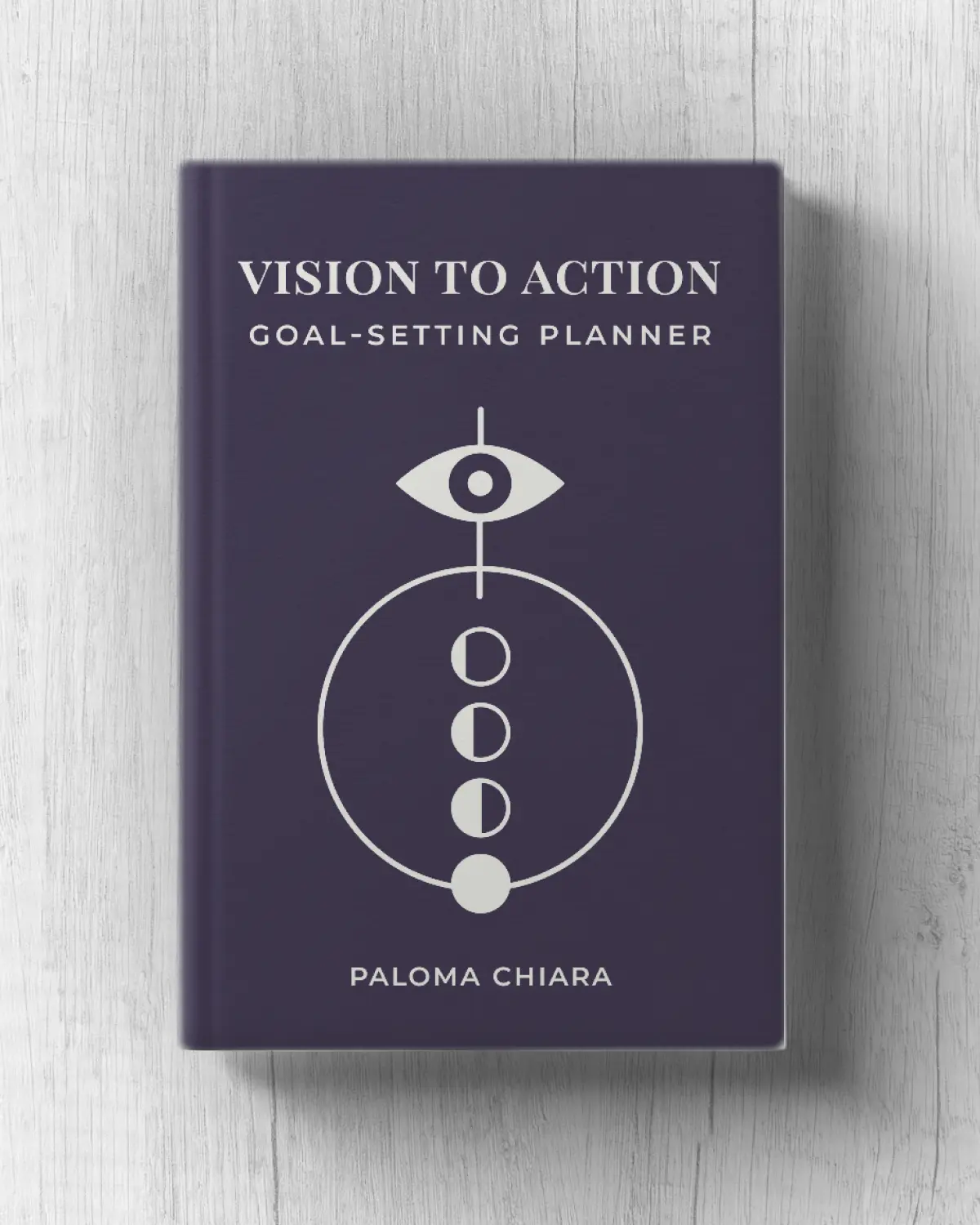
Check out the Free · Vision to Action Planner
More infoRisk tolerance. Not eliminating risk — that’s not possible — but knowing which risks you can live with and which ones you can’t undo.
Emotional regulation. Fear and excitement both distort a decision. Neither is a reliable narrator on its own.
Intuition. Underrated by people who over-index on spreadsheets. Your gut is pattern recognition running faster than your conscious brain. It’s not magic, and it’s not always right, but it’s data too.
Follow-through. A decision nobody acts on isn’t a decision. It’s a preference you haven’t tested yet.
If you keep circling the same limiting belief every time a choice gets hard — “I always pick wrong,” “I’m not decisive” — that belief is doing more damage than the actual decision in front of you.
How to Get Better at This, Practically
Set a deadline before you start gathering information. Not after. An open-ended research phase turns into permanent research. Give yourself a day, a week, whatever the decision warrants — then decide with what you have.
Separate reversible decisions from irreversible ones. Jeff Bezos calls these one-way and two-way doors, and it’s a genuinely useful frame. Most decisions are two-way doors: you can walk back through if it doesn’t work. Treat those fast. Save the deliberation for the ones you can’t undo.
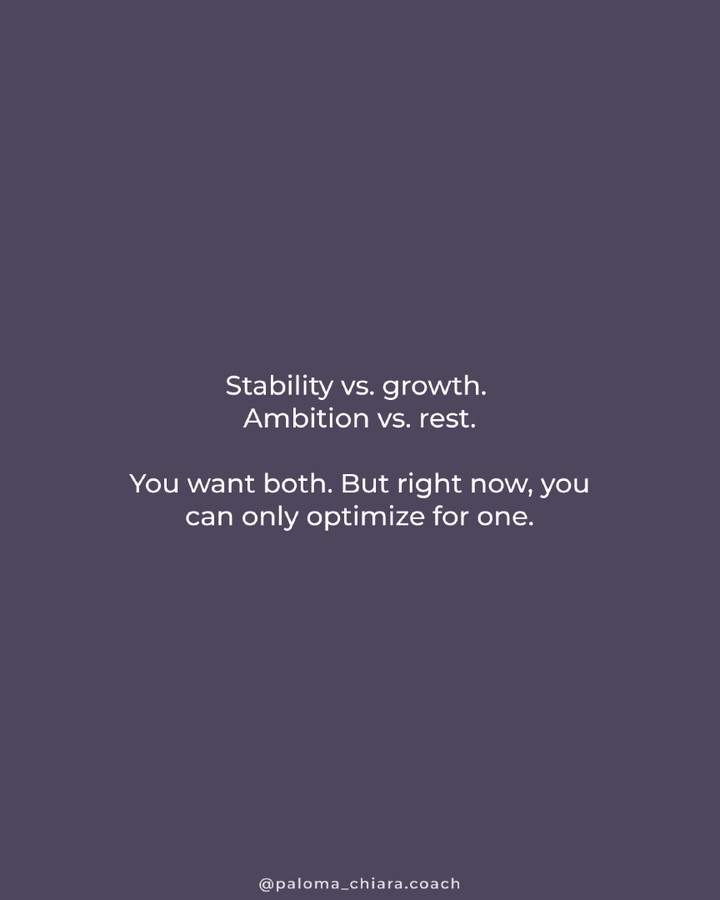
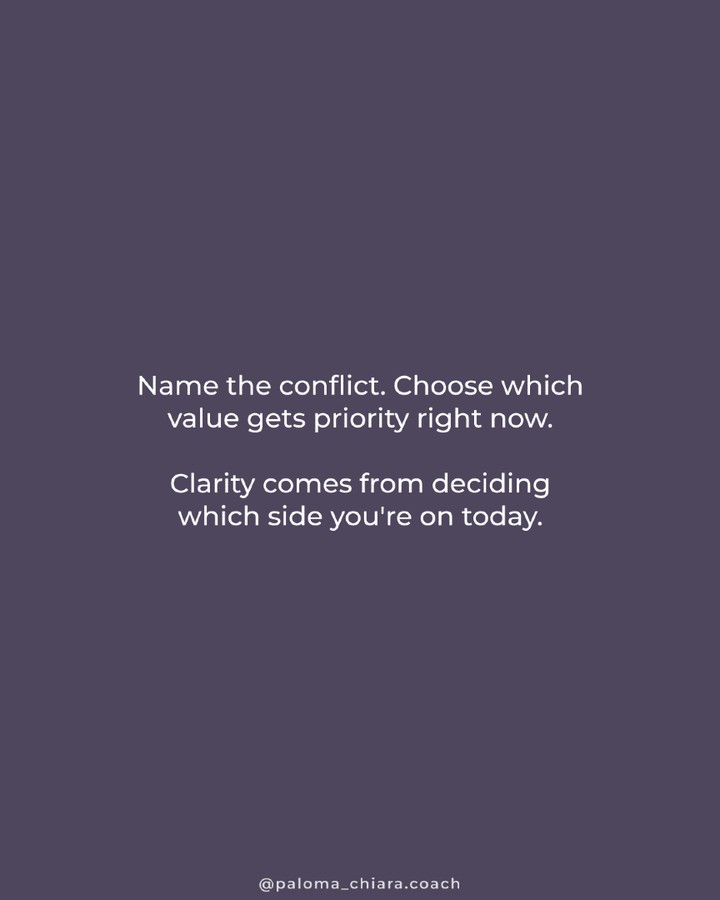
Write down what you’re actually going for. Money, time, relationships, growth — pick one or two, not five. A decision that tries to satisfy every value at once usually satisfies none of them.
Ask someone who’ll disagree with you. Not someone who’ll validate the choice you’ve already made. Goal-setting theory research backs this up consistently: outside input catches blind spots that are invisible from inside your own head.
Notice when you’re deciding out of fear instead of judgment. A fear-based decision is built around avoiding a bad outcome. A judgment-based decision is built around the actual goal. They’re not the same thing, and they often point in opposite directions.
Review the outcome, not just the choice. Good decisions sometimes produce bad outcomes, and bad decisions sometimes get lucky. If you only track results, you’ll learn the wrong lessons.
Two Mistakes That Show Up Constantly
Picking the decision that’s easiest to defend, not the one that’s right. If you’re picking the “safe” option so nobody can criticize you later, that’s not a decision — it’s a defense strategy. It usually produces mediocre outcomes because it’s built around avoiding blame instead of hitting the actual goal.
Treating every decision like it deserves the same weight. What to have for lunch and who to hire for a leadership role are not the same category of choice, but a lot of people give both the same anxious deliberation. Sort your decisions by how reversible and how consequential they are first. Most of what feels urgent is neither.
Where Procrastination Sneaks In
Most people don’t struggle with the analysis. They struggle with pulling the trigger once the analysis is done.
Procrastination on a decision usually isn’t laziness — it’s the fear of being wrong in a way you can’t take back. That’s worth naming honestly instead of relabeling it as “still thinking it over.”
The same goes for a fear of failure sitting underneath the indecision. If you can name the actual fear, the decision itself usually gets a lot easier.
What a Coach Actually Does Here
A coach doesn’t make the decision for you. That would defeat the point.
What a coach does is slow you down at the exact moment you’re about to skip a step — usually the step where you check the decision against what you actually want, not what you think you should want.
I work with founders and senior professionals who make dozens of consequential calls a week. The pattern I see most: they’re excellent at the analysis and terrible at trusting their own conclusion once they’ve done it. More information doesn’t always mean more clarity — past a certain point, it just delays the moment you have to commit.
A coach also catches the pattern you can’t see from inside it — the person who always picks the “responsible” option even when it’s wrong for them, or the one who needs six people’s approval before they’ll trust their own read. Naming the pattern is often half the fix. Kahneman, Lovallo, and Sibony wrote a widely-cited HBR piece on exactly this — the specific biases that quietly distort high-stakes decisions, and a checklist for catching them before you commit.
And a coach builds the follow-through system, so a decision made on Tuesday doesn’t quietly get abandoned by Friday because life got busy. That’s less about willpower and more about design — check-ins, deadlines, someone who’ll ask how it went.
If you’d like to explore working together, get in touch.
Quiz: What Is Blocking Your Success?
This quick quiz will help you figure out which mental or behavioral pattern might be holding you back from achieving your full potential. Identifying your specific success blocker is the first step toward breaking through to new levels of achievement and fulfillment.
Read each question and choose the answer that feels most true to your situation.
No email or payment is required to complete the quiz and receive your personalized insights.
Once you have your primary success blocker, you have clarity about what’s been holding you back. This awareness is powerful—many people spend years struggling without understanding the specific pattern that’s limiting their progress.
Remember, these patterns aren’t permanent character traits but rather habitual ways of thinking and behaving that can be changed with the right guidance and practice.
If you’re ready to break through your specific blocker and achieve the success you know you’re capable of, send me an email to try out a coaching session. Your breakthrough awaits!
About the Author

Paloma Chiara
Certified Life Coach
Guiding you toward your best self through mindful transformation.
Contact me
The perfect time was last quarter.
Tell me where you're stuck. We'll build the systems around it.
Let's startRecent posts
-
How to Overcome the Fear of Raising Your Prices
Read blog -
How to Handle Criticism as a Founder Without Losing Confidence
Read blog -
How to Stop Micromanaging Your Team
Read blog -
The Arrival Fallacy (Why Success Doesn't Feel Like Enough)
Read blog -
Why Business Owners Can't Switch Off From Work
Read blog -
How to Set Boundaries with Your Team Without Feeling Like a Bad Boss
Read blog
Comment