
When Should You Get a Life Coach?
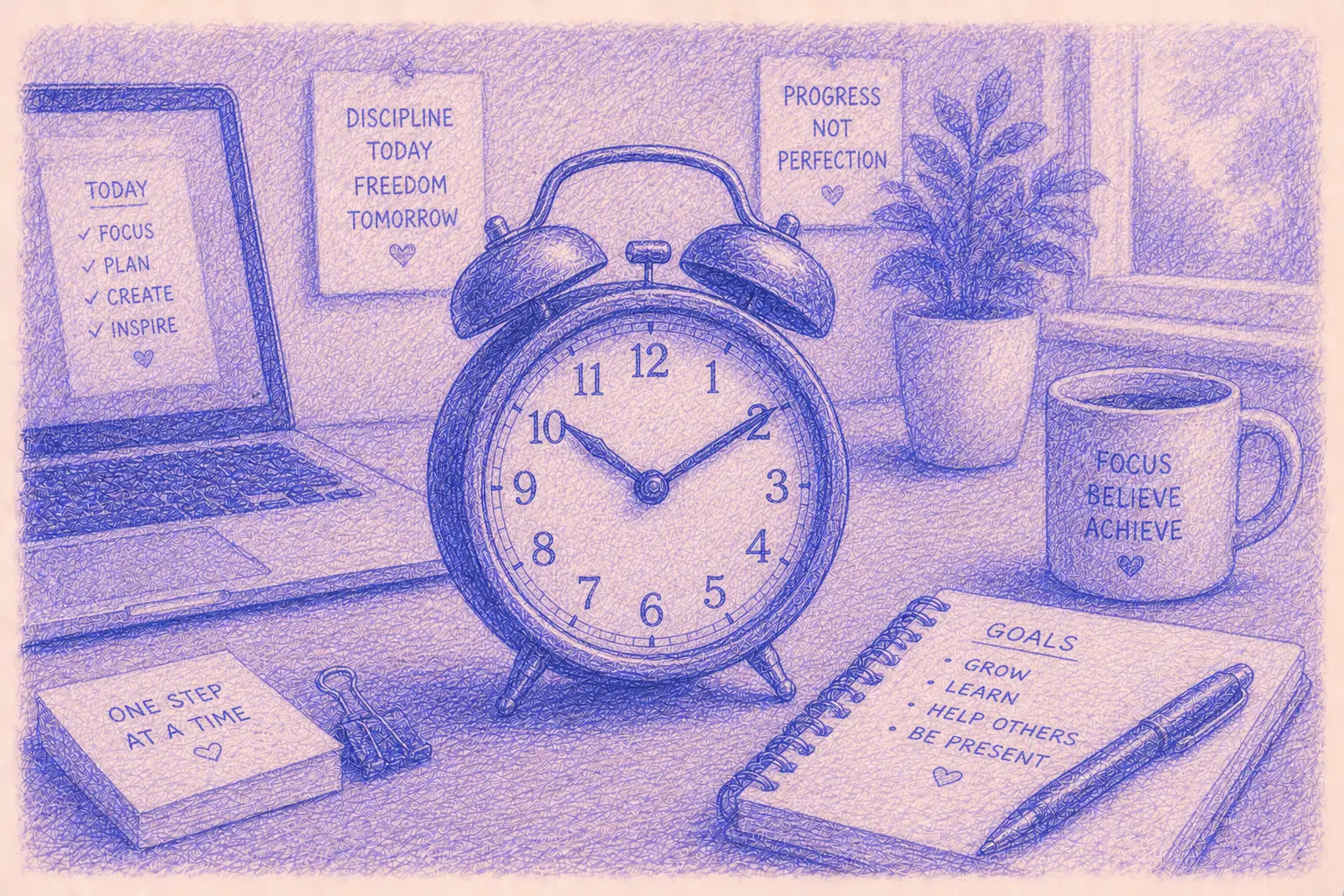
Most people wait too long. They wait until the problem is loud — the marriage is falling apart, the burnout has a name, the promotion never came — instead of calling a coach when the discomfort first shows up.
Here are the eight situations where coaching makes the biggest difference, and what a coach actually does in each one.
1. Transitioning Careers
You’ve been in the same industry for years, and the work feels hollow now. You’re not sure if the fix is a new role, a new industry, or a full reset.
A coach who specializes in career transitions won’t hand you an answer. They’ll help you name your actual values and strengths — the ones underneath the job title — and build a step-by-step plan toward work that fits them. HBR’s research on career coaching points out that coaching helps most once you already have some sense of the change you want but lack a workable path to get there.
If what’s really stopping you is dread of getting it wrong again, name that directly. A fear of failure will stall a career pivot faster than any market condition ever will.
I changed my entire career path at 21, with a design and literature degree and six months to become financially independent — my mother’s terms, not a business plan. It never felt like clarity first, action second. It was the opposite: I moved, then figured out what I was actually building.
2. Overcoming Procrastination
Procrastination isn’t a character flaw. It’s usually a system problem — no clear next step, no deadline that means anything, no real consequence for skipping the task.
A coach who works on productivity won’t just tell you to try harder. They’ll dig into why you stall — perfectionism, fear of the outcome, a goal that’s too vague to act on — and build routines that make starting easier than avoiding. With someone checking in every week, the plan stops being optional.
If this is your pattern, life coaching for overcoming procrastination goes deeper into what actually breaks the cycle.
3. Navigating Major Life Transitions
Your kids left for college, or moved out, and the house is quiet in a way that feels less like peace and more like loss. You’re not sure who you are now that the role that organized your days is gone.
Here’s what’s actually true: research on empty-nest syndrome suggests the “syndrome” is overblown for most people — plenty of parents report relief alongside the sadness. But the identity question underneath it is real. A coach who specializes in life transitions helps you build a life around your own interests again, instead of just filling the silence.
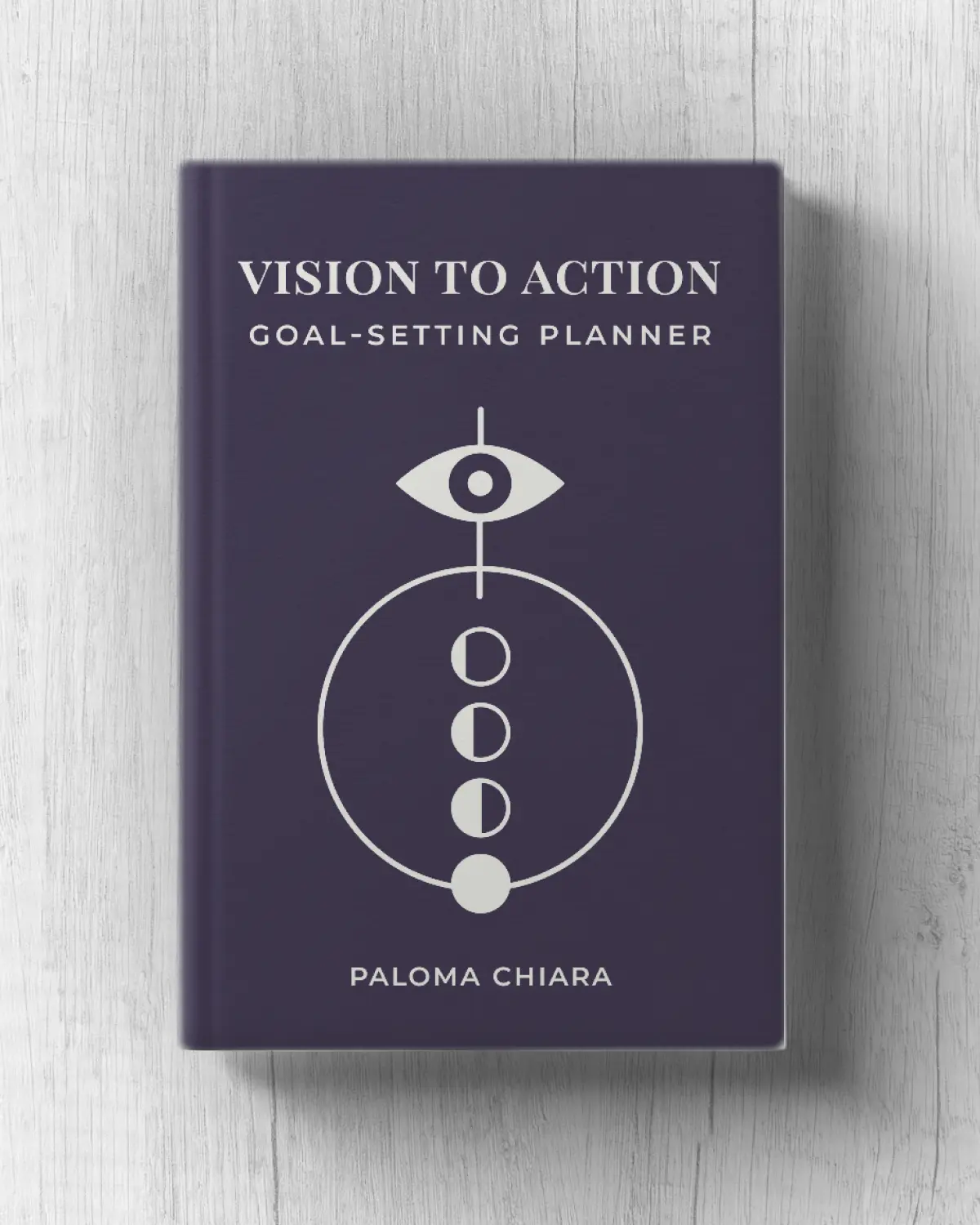
Check out the Free · Vision to Action Planner
More info4. Improving Relationship Dynamics
Your marriage has hit a rough patch — constant arguments, or worse, silence where the arguments used to be. You feel far from your partner and don’t know how to close the gap.
A relationship-focused coach won’t take sides. They’ll open up the communication that’s stalled, help you name what’s actually underneath the fights, and set goals you both agree to work toward. Rebuilding intimacy takes structure as much as it takes good intentions.
Most couples wait until resentment has already built up before they ask for help. The earlier you bring in a coach, the fewer patterns you have to undo.
5. Boosting Self-Confidence
Social situations make you anxious, so you skip the party, decline the invite, avoid the room. That avoidance feels like safety. It’s actually shrinking your life one missed connection at a time.
A coach who specializes in confidence works on the pattern, not just the moment. You’ll build specific techniques for managing the anxiety in real time and practice putting yourself in rooms you’d normally avoid. If the anxiety runs deeper than social discomfort, a life coach can still help — just know where coaching ends and therapy begins, and don’t be afraid to use both.
6. Achieving Work-Life Balance
Long hours became the norm, and now your relationships are strained and you’re running on empty. You call it dedication. It’s actually burnout, and pushing through one more quarter won’t fix it.
A coach here helps you set real boundaries at work — not aspirational ones, actual limits you’ll defend — and rebuild a life outside your job that isn’t an afterthought. Balance isn’t about doing less. It’s about protecting the hours you already have.


7. Finding Purpose and Direction
You retired after decades of a career that filled your calendar and your identity, and now the days feel long and empty. You don’t know how to fill them, let alone find meaning in them.
A coach who works with post-retirement transitions helps you figure out what you actually want now — new interests, new goals, a version of purpose that doesn’t depend on a job title. Retirement doesn’t have to mean the end of ambition. It can mean choosing your own, for the first time without a boss or a paycheck deciding it for you.
8. Breaking Unhealthy Habits
Addiction — substance use, overeating, any behavior that’s taken over — is hurting your health, your relationships, your sense of yourself. You already know it, and knowing hasn’t been enough to stop it.
A coach who specializes in recovery works alongside whatever clinical support you need, not instead of it. They help you build coping strategies, set recovery goals you can actually track, and put a support network around you so you’re not doing this alone.
How to Actually Decide
You don’t need every box checked. One is enough, if it’s been going on for more than a few weeks and you can’t move it on your own.
Ask yourself two things. Has this pattern already cost you something — a relationship, a promotion, your health? And have you already tried to fix it alone, without real traction? If both are true, stop waiting for the “right moment.” There isn’t one. There’s just today, and whatever’s next on a coach’s calendar.
If you’d like to explore working together, get in touch.
Quiz: What Is Blocking Your Success?
This quick quiz will help you figure out which mental or behavioral pattern might be holding you back from achieving your full potential. Identifying your specific success blocker is the first step toward breaking through to new levels of achievement and fulfillment.
Read each question and choose the answer that feels most true to your situation.
No email or payment is required to complete the quiz and receive your personalized insights.
Once you have your primary success blocker, you have clarity about what’s been holding you back. This awareness is powerful—many people spend years struggling without understanding the specific pattern that’s limiting their progress.
Remember, these patterns aren’t permanent character traits but rather habitual ways of thinking and behaving that can be changed with the right guidance and practice.
If you’re ready to break through your specific blocker and achieve the success you know you’re capable of, send me an email to try out a coaching session. Your breakthrough awaits!
About the Author

Paloma Chiara
Certified Life Coach
Guiding you toward your best self through mindful transformation.
Contact me
The perfect time was last quarter.
Tell me where you're stuck. We'll build the systems around it.
Let's startRecent posts
-
How to Take a Vacation as a Business Owner (Without the Guilt)
Read blog -
How to Overcome the Fear of Raising Your Prices
Read blog -
How to Handle Criticism as a Founder Without Losing Confidence
Read blog -
How to Stop Micromanaging Your Team
Read blog -
The Arrival Fallacy (Why Success Doesn't Feel Like Enough)
Read blog -
Why Business Owners Can't Switch Off From Work
Read blog
Comment