
Where Do You Find a Life Coach?

You don’t need another endless scroll through directory listings. You need a coach who actually gets what you’re dealing with.
I’ve run over 340 sessions with clients in a dozen countries since I started coaching in 2023. Most people who come to me have already tried a coach once and it didn’t stick — not because coaching doesn’t work, but because the match was wrong from the start. Here’s where people actually find the right one, and what separates a good fit from three wasted months.
Where People Actually Find a Life Coach
Online Directories
The Psychology Today directory is the fastest way to filter by specialty, location, and price. Most coaches list their approach and the kind of client they work best with. Read that part first — it tells you more than the bio photo does.
Referrals
Ask someone whose situation actually looks like yours. A friend’s coach for career pivots won’t necessarily help you with burnout or a delegation problem. Ask what specifically changed for them, not just whether they “liked” the coach.
Social Media and Professional Networks
LinkedIn is where a lot of working coaches actually post their thinking, not just their credentials. Read a few weeks of someone’s posts before you book a call. You’ll get a clearer read on how they think than any bio page will give you.
Certification Bodies
The International Coach Federation (ICF) and the Center for Credentialing & Education (CCE) both keep directories of certified coaches. Certification isn’t everything, but it filters out people with zero training behind the title.
Local Workshops and Events
Some coaches run in-person workshops or intro sessions. It’s a low-stakes way to see how someone actually works before you commit to one-on-one sessions.
Remote Coaching Works Just as Well
Don’t limit your search to your own city. Video calls have made location almost irrelevant for coaching, and it opens up a much wider pool of specialists. A good session over video works exactly as well as one in person — if anything, it forces both of you to be more precise with your time.
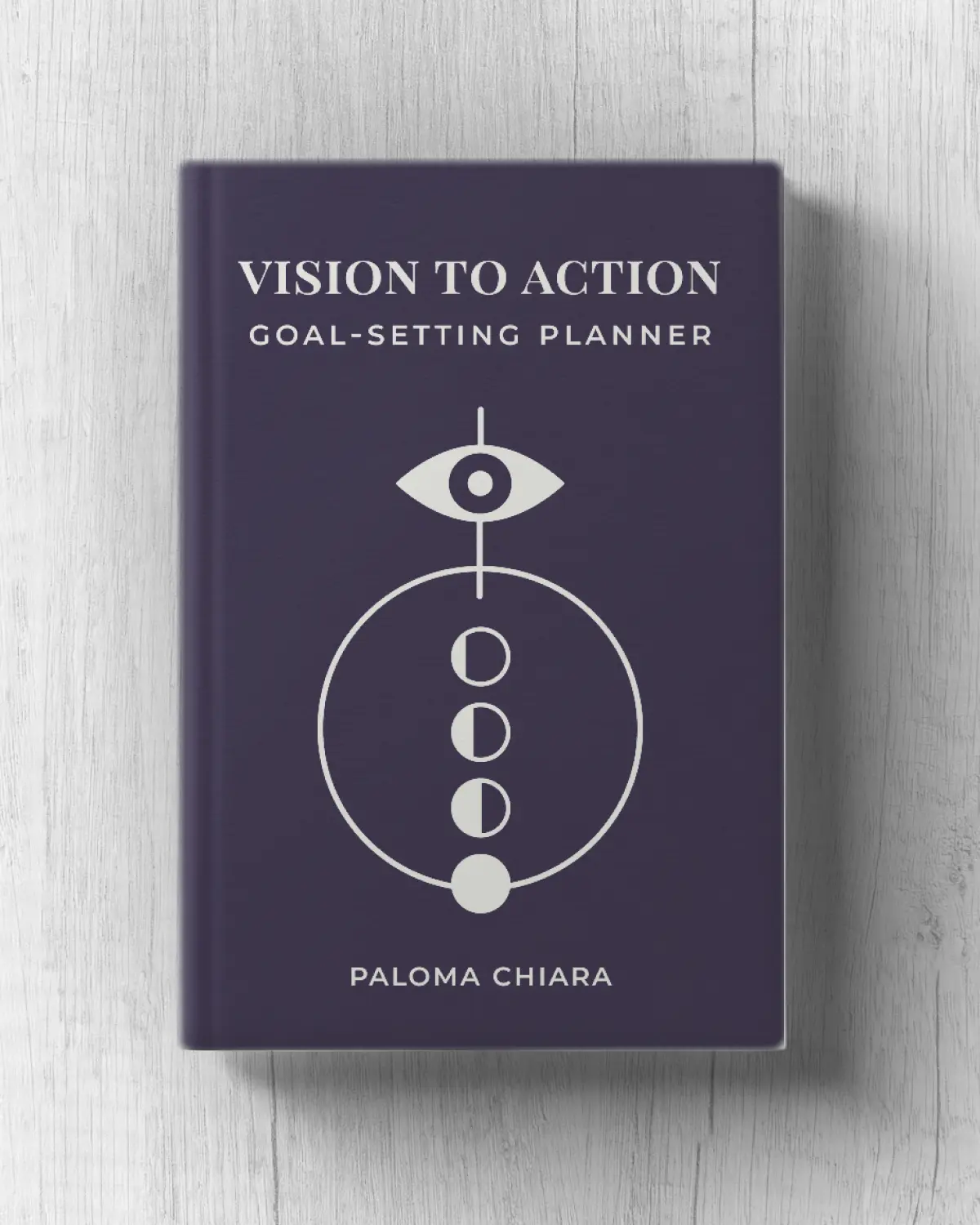
Check out the Free · Vision to Action Planner
More infoWhat Actually Matters Once You’ve Found a Few Options
Specialization
A coach who mostly works with career transitions isn’t the right pick if what you need is help setting goals you’ll actually hit. Ask directly: “What percentage of your clients come in with a problem like mine?”
Their Approach
Some coaches are structured — frameworks, homework, weekly check-ins. Others are more exploratory. Neither is better. What matters is whether it matches how you actually get things done. Pair a structure-lover with an exploratory coach and you’ll both end up frustrated.


Credentials
Ask what training they completed and how long ago. A coach who trained once in 2015 and hasn’t touched it since is a different bet than one who’s still doing ongoing supervision.
Client Results, Not Just Testimonials
Don’t stop at the five-star quotes on their site. Ask for a specific example: what did a client walk in with, and what actually changed? If they can’t give you a concrete before-and-after, that’s information too.
Compatibility
You’ll know within the first session whether you feel comfortable being direct with this person. If you’re holding back in session one, that doesn’t fix itself by session five.
This matters more than people think. I’ve had clients come to me after years with a coach who never once pushed back — because the fit was too polite. You need someone who’ll challenge you, not just nod along. That’s part of what makes working through imposter syndrome or any real block possible in the first place.
Availability and Logistics
Time zones, session length, fees, scheduling flexibility. Sort this out before you get emotionally invested in someone you can’t actually book with.
Why Business Owners Struggle With This Search More Than Most
If you’re running a company or leading a team, most of what’s holding you back isn’t a skills gap. It’s guilt about delegating, decision fatigue from making forty calls a day, or an identity that’s tangled up with constant work.
A Harvard Business Review survey of 140 executive coaches found that most coaching today isn’t about fixing toxic behavior — it’s about developing high performers and giving them a real sounding board. That’s a very different job than generic life advice, and it means the “best-rated” coach in a directory isn’t automatically the right one for someone carrying a business on their back.
Look for a coach who asks about your calendar, your team, and your actual decisions, not just your feelings about them. If the first conversation stays abstract, that’s a sign the fit is off.
Red Flags to Watch For
A few things that should make you pause before signing anything:
- Guaranteed results. No one can promise a specific outcome from coaching. Anyone who does is selling, not coaching.
- No clear methodology. If you ask how they actually work and get a vague answer, you won’t know what you’re paying for.
- Pressure to commit long-term before session one. A good coach wants a real conversation first, not a signature.
- No boundaries on their own time. A coach who answers messages at midnight isn’t modeling anything you want to learn.
The Real Filter
A directory gets you a list. A referral gets you a name you trust. Neither tells you whether this specific person will push you when you need it, not just validate you.
Book one intro call before you commit to a package. If a coach won’t do a short conversation first, that’s a signal on its own — and if you’re working through something bigger, like building a real personal development plan, you want that first conversation to feel like the start of real work, not a sales pitch.
If you’d like to explore working together, get in touch.
Quiz: What Is Blocking Your Success?
This quick quiz will help you figure out which mental or behavioral pattern might be holding you back from achieving your full potential. Identifying your specific success blocker is the first step toward breaking through to new levels of achievement and fulfillment.
Read each question and choose the answer that feels most true to your situation.
No email or payment is required to complete the quiz and receive your personalized insights.
Once you have your primary success blocker, you have clarity about what’s been holding you back. This awareness is powerful—many people spend years struggling without understanding the specific pattern that’s limiting their progress.
Remember, these patterns aren’t permanent character traits but rather habitual ways of thinking and behaving that can be changed with the right guidance and practice.
If you’re ready to break through your specific blocker and achieve the success you know you’re capable of, send me an email to try out a coaching session. Your breakthrough awaits!
About the Author

Paloma Chiara
Certified Life Coach
Guiding you toward your best self through mindful transformation.
Contact me
The perfect time was last quarter.
Tell me where you're stuck. We'll build the systems around it.
Let's startRecent posts
-
How to Overcome the Fear of Self-Promotion as a Business Owner
Read blog -
How to Take a Vacation as a Business Owner (Without the Guilt)
Read blog -
How to Overcome the Fear of Raising Your Prices
Read blog -
How to Handle Criticism as a Founder Without Losing Confidence
Read blog -
How to Stop Micromanaging Your Team
Read blog -
The Arrival Fallacy (Why Success Doesn't Feel Like Enough)
Read blog
Comment