
26 Types of Life Coaches, Which One Do You Need?
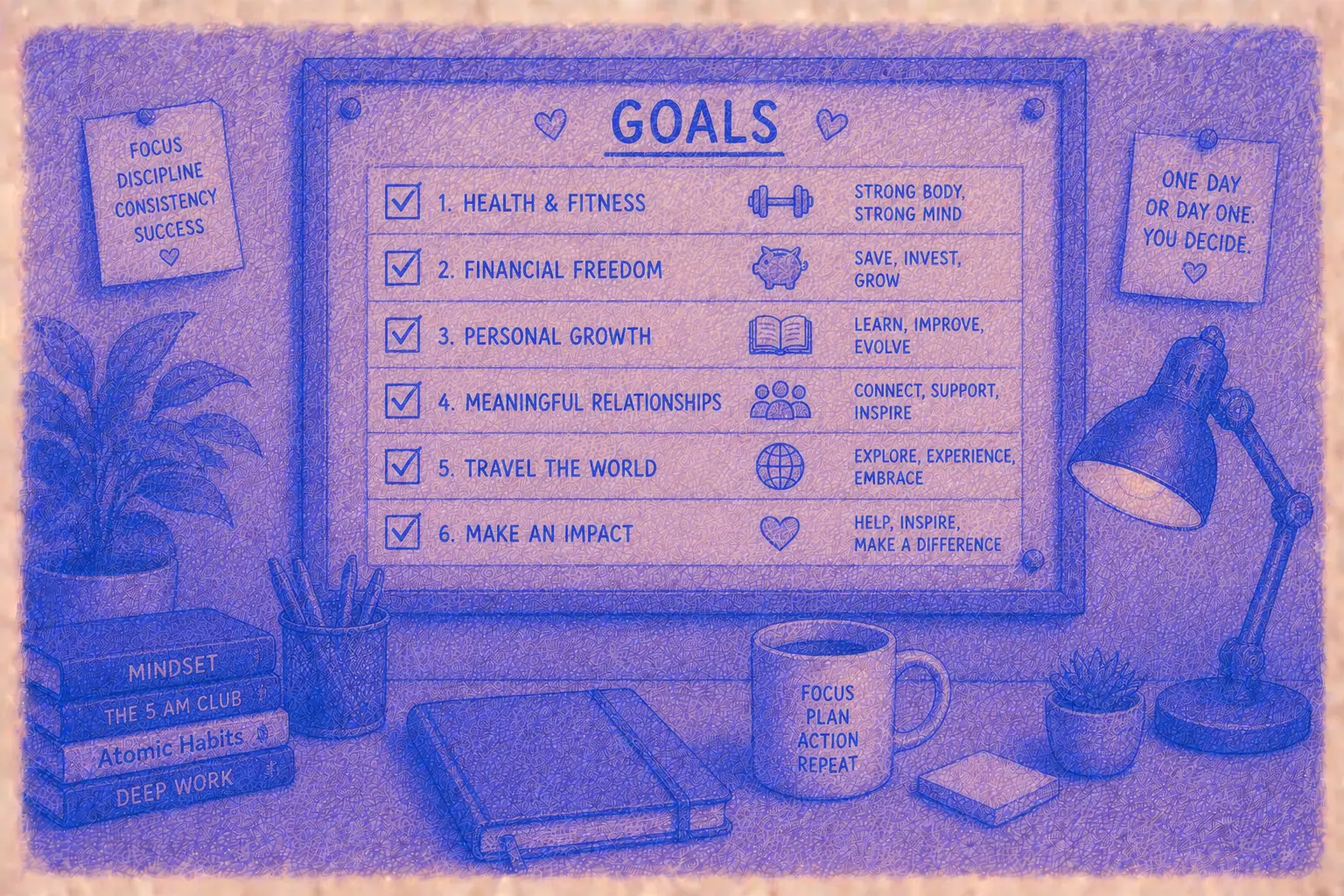
Each life coach works with you in a unique way to help you overcome challenges, achieve your goals, and live a more fulfilling life. Here’s how each type of coach would work with you to create positive change:
1. Productivity Coach
A Productivity Coach would analyze your current workflow, helping you identify inefficiencies or distractions. They’d work with you to set priorities, establish routines, and introduce productivity tools like time-blocking or task management apps. For example, if you frequently struggle with time management, they could help you structure your day for maximum efficiency.
Best for people whose problem is output, not motivation: you know what to do, but your days leak time. Unlike a time management coach, the focus is on how you work (tools, systems, energy), not only on how you schedule.
Read more: What Is a Productivity Coach?
2. Goal-Setting Coach
A Goal-Setting Coach would help you clarify your big-picture goals and break them down into smaller, actionable steps. They’d work with you to create timelines and hold you accountable for hitting each milestone. If you tend to have lots of ideas but lack a clear plan, they’d help you focus on realistic, achievable outcomes.
Best for people with plenty of ambition and no clear plan. Where a success coach starts from your definition of success, a goal-setting coach starts from the goal you already have and builds the path to it.
Read more: What Is a Goal-Setting Coach?
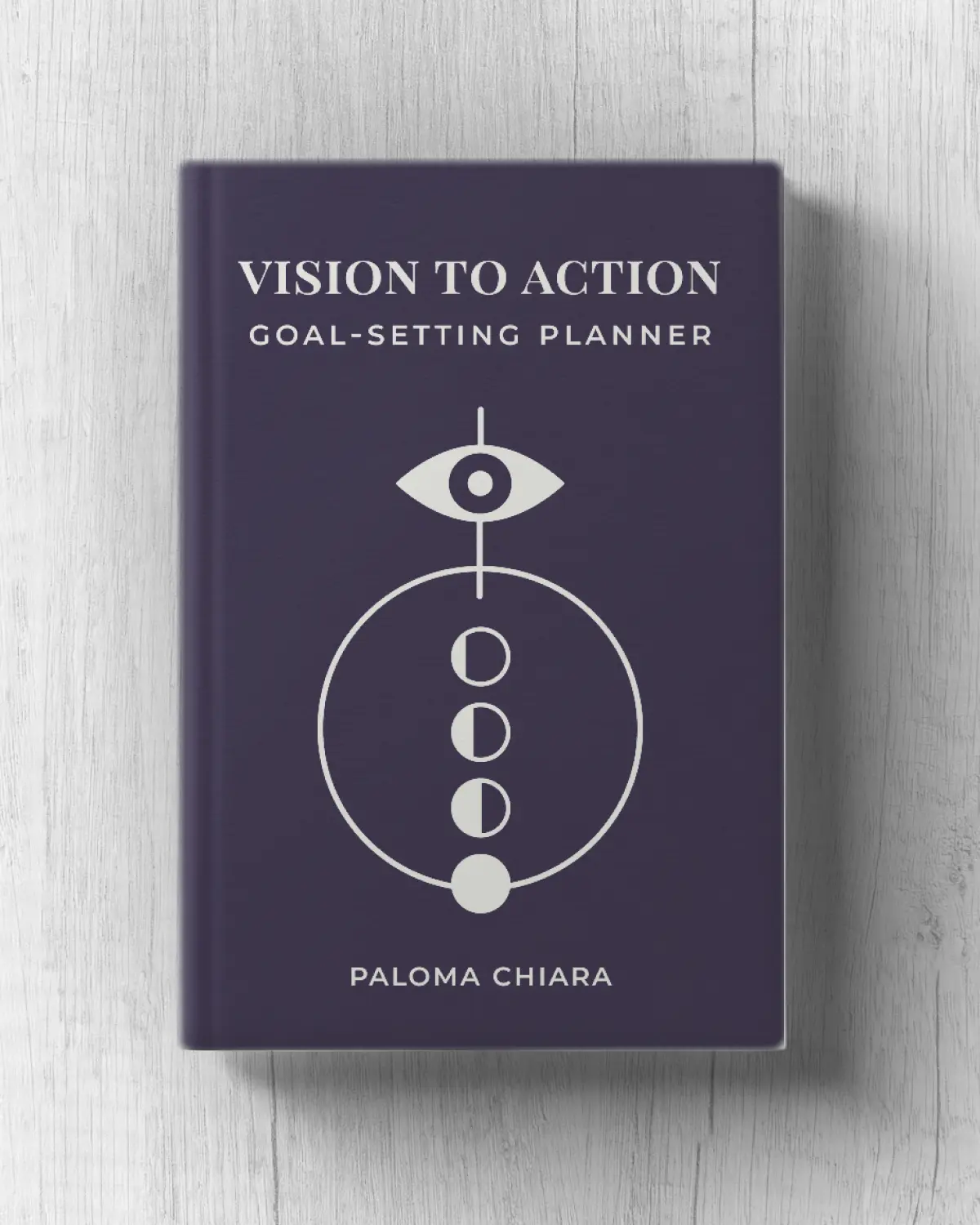
Check out the Free · Vision to Action Planner
More info3. Accountability Coach
An Accountability Coach would regularly check in with you to track your progress on specific tasks or goals. They’d create a system where you report back on your actions, helping you stay committed. If you struggle with finishing what you start, they’d ensure you stay on track by keeping you motivated and focused.
Best for people who plan well and follow through poorly. The value is in the cadence: regular check-ins, a visible record of what you did, and someone who notices when you stop.
Read more: What Is an Accountability Coach?
4. Confidence Coach
A Confidence Coach would work with you to identify the root causes of low self-esteem, providing exercises and techniques to improve your self-worth. They might practice role-playing scenarios or offer challenges that gradually push you out of your comfort zone. If, for example, you feel nervous about public speaking, they’d help you practice speaking confidently in safe environments until you feel ready.
Best for people who hold back in meetings, dates, negotiations or creative work because they doubt themselves. A confidence coach works on evidence and exposure, not pep talks: small, real situations that prove the doubt wrong.
Read more: What Is a Confidence Coach?
5. Emotional Intelligence Coach
An Emotional Intelligence Coach would help you develop the ability to recognize and manage your emotions and better understand others. Through reflection exercises, they’d help you learn emotional regulation and empathy. If you often react emotionally in stressful situations, they’d teach you how to pause and respond more calmly.
Best for people whose relationships or careers are stalling because of how they react under pressure. Expect a lot of reflection on specific moments (a difficult conversation, a snap decision) and practice in reading the room before speaking.
Read more: What Is an Emotional Intelligence Coach?
6. Mindset Coach
A Mindset Coach would work with you to identify and replace limiting beliefs with positive, growth-focused thoughts. They might use affirmations, journaling, or visualization exercises to help you shift your perspective. For example, if you often think “I’m not good enough,” they’d help you reframe that belief into something empowering like, “I am capable of learning and growing.”
Best for people who keep hitting the same wall and suspect the wall is inside. If you have already tried productivity systems and they collapse after two weeks, the belief underneath is usually the thing to work on first.
Read more: What Is a Mindset Coach?
7. Motivational Coach
A Motivational Coach would explore what drives you and help you rediscover your passion for your goals. They might use inspirational exercises or vision boards to reignite your excitement. If you’re feeling stuck or unmotivated, they’d help you find the deeper reasons behind your goals and push you to move forward with renewed enthusiasm.
Best for people who have lost their drive rather than their direction. The difference with a mindset coach is subtle: a mindset coach works on what you believe, a motivational coach on what you want and why you stopped wanting it.
Read more: What Is a Motivational Coach?
8. Happiness Coach
A Happiness Coach would work with you to identify what truly brings you joy and fulfillment in life. They’d guide you in building habits that increase long-term happiness, like practicing gratitude or mindfulness. If you feel something is missing from your life, they’d help you pinpoint areas for improvement and guide you toward a more fulfilling lifestyle.
Best for people whose life looks fine on paper and feels flat in practice. Sessions usually revolve around what actually generates satisfaction for you (relationships, autonomy, mastery, meaning) and how much of your week goes to it.
Read more: What Is a Happiness Coach?
9. Energy Coach
An Energy Coach would analyze your daily routines, nutrition, and lifestyle to help you optimize your energy levels. They might introduce practices like proper sleep hygiene, exercise, and mental breaks to keep you energized throughout the day. If you often feel tired or drained, they’d help you build a healthier routine to sustain your energy.
Best for people who are not lazy, just depleted. An energy coach looks at sleep, food, movement and recovery before touching goals, because no plan survives chronic exhaustion.
Read more: What Is an Energy Coach?
10. Stress Management Coach
A Stress Management Coach would assess the sources of your stress and teach you techniques to manage it better, such as meditation, breathing exercises, or time management strategies. If you’re constantly overwhelmed, they’d help you prioritize tasks and develop a self-care routine to reduce stress.
Best for people whose stress has become the baseline rather than an occasional spike. Unlike therapy, the work is practical and forward-looking: which stressors can be removed, which can be renegotiated, and which need a better response.
Read more: What Is a Stress Management Coach?


11. Minimalist Coach
A Minimalist Coach would help you declutter your physical space and simplify your lifestyle. They’d guide you through the process of letting go of unnecessary possessions and focusing on what truly matters. If you feel overwhelmed by too much stuff or too many commitments, they’d support you in creating a more intentional life.
Best for people who feel their possessions, commitments and inputs own them. The work goes beyond the closet: subscriptions, calendar, notifications and relationships all get the same question, does this earn its place?
Read more: What Is a Minimalist Coach?
12. Procrastination Coach
A Procrastination Coach would help you understand why you procrastinate and introduce techniques like breaking tasks into smaller steps or using accountability tools to overcome it. If you frequently delay important tasks, they’d work with you to develop a routine that encourages action and minimizes distractions.
Best for people who delay the important tasks specifically, not everything. A procrastination coach digs into the why (fear of judgment, perfectionism, unclear next step) because each cause needs a different fix.
Read more: What Is a Procrastination Coach?
Quiz: What Is Blocking Your Success?
This quick quiz will help you figure out which mental or behavioral pattern might be holding you back from achieving your full potential. Identifying your specific success blocker is the first step toward breaking through to new levels of achievement and fulfillment.
Read each question and choose the answer that feels most true to your situation.
No email or payment is required to complete the quiz and receive your personalized insights.
Once you have your primary success blocker, you have clarity about what’s been holding you back. This awareness is powerful: many people spend years struggling without understanding the specific pattern that’s limiting their progress.
Remember, these patterns aren’t permanent character traits but rather habitual ways of thinking and behaving that can be changed with the right guidance and practice.
If you’re ready to break through your specific blocker and achieve the success you know you’re capable of, send me an email to try out a coaching session. Your breakthrough awaits!
13. Work/Life Balance Coach
A Work/Life Balance Coach would help you assess how your time is divided between personal and professional responsibilities. They’d teach you how to set boundaries and prioritize your well-being. If you’re constantly overworked, they’d help you create a more balanced schedule that allows for rest and personal time.
Best for people who are good at their job and absent from their life. Expect to work on boundaries you can actually enforce (hours, availability, saying no) rather than on time-saving hacks.
Read more: What Is a Work/Life Balance Coach?
14. Dating Coach
A Dating Coach would work with you to improve your dating experience, helping you understand your relationship goals and how to communicate effectively with potential partners. They’d offer advice on meeting people, managing expectations, and maintaining healthy relationships. If dating feels frustrating or confusing, they’d help you approach it with confidence.
Best for people who keep repeating the same dating pattern and want to understand it before the next attempt. A dating coach works on self-presentation and choices; a relationship coach works on the relationship once you are in one.
Read more: What Is a Dating Coach?
15. Relationship Coach
A Relationship Coach would help you and your partner work through issues or improve communication. They’d provide tools and strategies for resolving conflicts, building trust, and strengthening your connection. If you’re facing challenges in your relationship, they’d guide you both to better understand each other’s needs and perspectives.
Best for couples, or one partner, dealing with recurring conflict, distance or a big decision (moving in, marriage, children). It is coaching, not therapy: the focus is on communication tools and agreements for the future, not on healing past wounds.
Read more: What Is Relationship Coaching?
16. Personal Development Coach
A Personal Development Coach would work with you to identify areas in your life where you want to grow and help you create a plan for self-improvement. They’d support you in developing new skills, habits, and perspectives. If you feel like you’re not reaching your full potential, they’d help you find opportunities for growth.
Best for people who want to grow but cannot name the specific area. This is the generalist of the list: a personal development coach helps you map where you are, then either works with you or points you to a specialist.
Read more: What Is Personal Development Coaching?
17. Travel Coach
A Travel Coach would help you plan meaningful trips that align with your goals and lifestyle. They’d guide you in overcoming obstacles like budgeting or time constraints so you can travel more often or more intentionally. If you dream of traveling more but don’t know how to make it work, they’d help you find ways to integrate travel into your life.
Best for people who say “one day” about travel and never make it happen. Practical topics dominate: money, time off, fear of going alone, and how to make trips fit a life rather than escape it.
Read more: What Is Travel Coaching?
18. Success Coach
A Success Coach would work with you to define what success means to you and create a strategy to achieve it. They’d help you set measurable goals and stay focused on them. If you’re not sure how to reach your desired level of success, they’d provide the support and structure you need to get there.
Best for high achievers who reached a milestone and feel oddly empty, or ambitious people unsure what to aim at. The first sessions define success in your own terms; only then does strategy start.
Read more: What Is a Success Coach?
19. Performance Coach
A Performance Coach would help you develop strategies to improve your performance in a specific area, like sports, work, or a creative endeavor. They’d work with you on goal-setting, focus, and overcoming obstacles that hinder your progress. If you’re struggling to perform at your best, they’d help you develop the mental and physical habits needed to excel.
Best for athletes, performers, founders and professionals who need to deliver under pressure at specific moments. Expect work on focus, pre-performance routines and recovery, closer to sports psychology than to general life coaching.
Read more: What Is a Performance Coach?
20. Leadership Coach
A Leadership Coach would work with you to improve your leadership skills, helping you develop communication, decision-making, and team management abilities. They’d help you become more effective in leading others and managing challenges. If you’re stepping into a leadership role or want to enhance your leadership capabilities, they’d guide you in building the necessary skills.
Best for new managers and founders whose technical skills got them promoted into a job that needs different ones. Typical topics: delegating, giving feedback, running meetings, making decisions with incomplete information.
Read more: What Is a Leadership Coach?
21. Empowerment Coach
An Empowerment Coach would work with you to reclaim your power and build self-confidence. They’d help you identify areas where you feel disempowered and teach you how to take control of your decisions and life direction. If you often feel stuck or controlled by external factors, they’d support you in becoming more self-empowered and decisive.
Best for people who feel their life is decided by others (a partner, a boss, family expectations). The work is about agency: recognising where you still have choices and practising making them.
Read more: What Is an Empowerment Coach?
22. Time Management Coach
A Time Management Coach would assess how you spend your time and introduce strategies to use it more efficiently. They’d help you prioritize tasks, create schedules, and avoid distractions. If you frequently miss deadlines or feel overwhelmed by too many responsibilities, they’d teach you how to structure your day for better time management.
Best for people whose calendar is the problem: overbooked, reactive, always behind. Compared with a productivity coach, the lens is narrower and more concrete: planning, prioritising and protecting time.
Read more: What Is a Time Management Coach?
23. Career Coach
A Career Coach would help you define your career goals, identify opportunities, and navigate career changes. They’d guide you in preparing for job interviews, negotiating salaries, or planning a career transition. If you’re unsure about your career direction, they’d help you clarify your goals and take the next steps.
Best for people facing a transition (promotion, pivot, leaving a company, starting one) or stuck in a role that no longer fits. Career coaches are practical: CVs, interviews, negotiation, decision frameworks.
Read more: What Is a Career Coach?
24. Finance Coach
A Finance Coach would help you assess your financial situation and create a plan for budgeting, saving, and investing. They’d provide guidance on managing debt, building an emergency fund, or achieving financial independence. If you struggle with managing your money, they’d give you the tools and knowledge to take control of your finances.
Best for people who earn enough and still feel out of control with money. A finance coach works on behaviour and systems (budgeting, debt order, automated saving) rather than on investment picks, which is a financial advisor’s job.
Read more: What Is a Finance Coach?
25. Creativity Coach
A Creativity Coach would help you overcome creative blocks and unlock your artistic potential. They’d guide you through exercises designed to spark inspiration and encourage you to explore new creative outlets. If you feel stuck or uninspired, they’d support you in finding new ways to express your creativity.
Best for writers, artists, designers and anyone whose work depends on ideas and who feels blocked or scattered. Sessions combine practical structure (deadlines, routines) with work on the fear that usually sits behind the block.
Read more: What Is a Creativity Coach?
26. Health Coach
A Health Coach would help you create a personalized plan to improve your overall health, focusing on fitness, nutrition, and lifestyle changes. They’d guide you in developing healthy habits, from meal planning to exercise routines. If you want to live a healthier life but need support with where to start, they’d help you make sustainable changes for better health.
Best for people who know what healthy habits look like and cannot make them stick. A health coach is not a doctor or a dietitian: the job is behaviour change, from meal planning to consistent movement, adapted to your actual life.
Read more: What Is a Health Coach?
Looking for a Life Coach?
Feeling stuck, overwhelmed, or uncertain about your next steps? As an experienced life coach, I specialize in helping individuals create a future that feels fulfilling and aligned with their goals. Reach out today to start creating the future you deserve.
About the Author

Paloma Chiara
Certified Life Coach
Guiding you toward your best self through mindful transformation.
Contact me
The perfect time was last quarter.
Tell me where you're stuck. We'll build the systems around it.
Let's startRecent posts
-
How to Overcome the Fear of Raising Your Prices
Read blog -
How to Handle Criticism as a Founder Without Losing Confidence
Read blog -
How to Stop Micromanaging Your Team
Read blog -
The Arrival Fallacy (Why Success Doesn't Feel Like Enough)
Read blog -
Why Business Owners Can't Switch Off From Work
Read blog -
How to Set Boundaries with Your Team Without Feeling Like a Bad Boss
Read blog
Comment