
What Is a Health Coach?
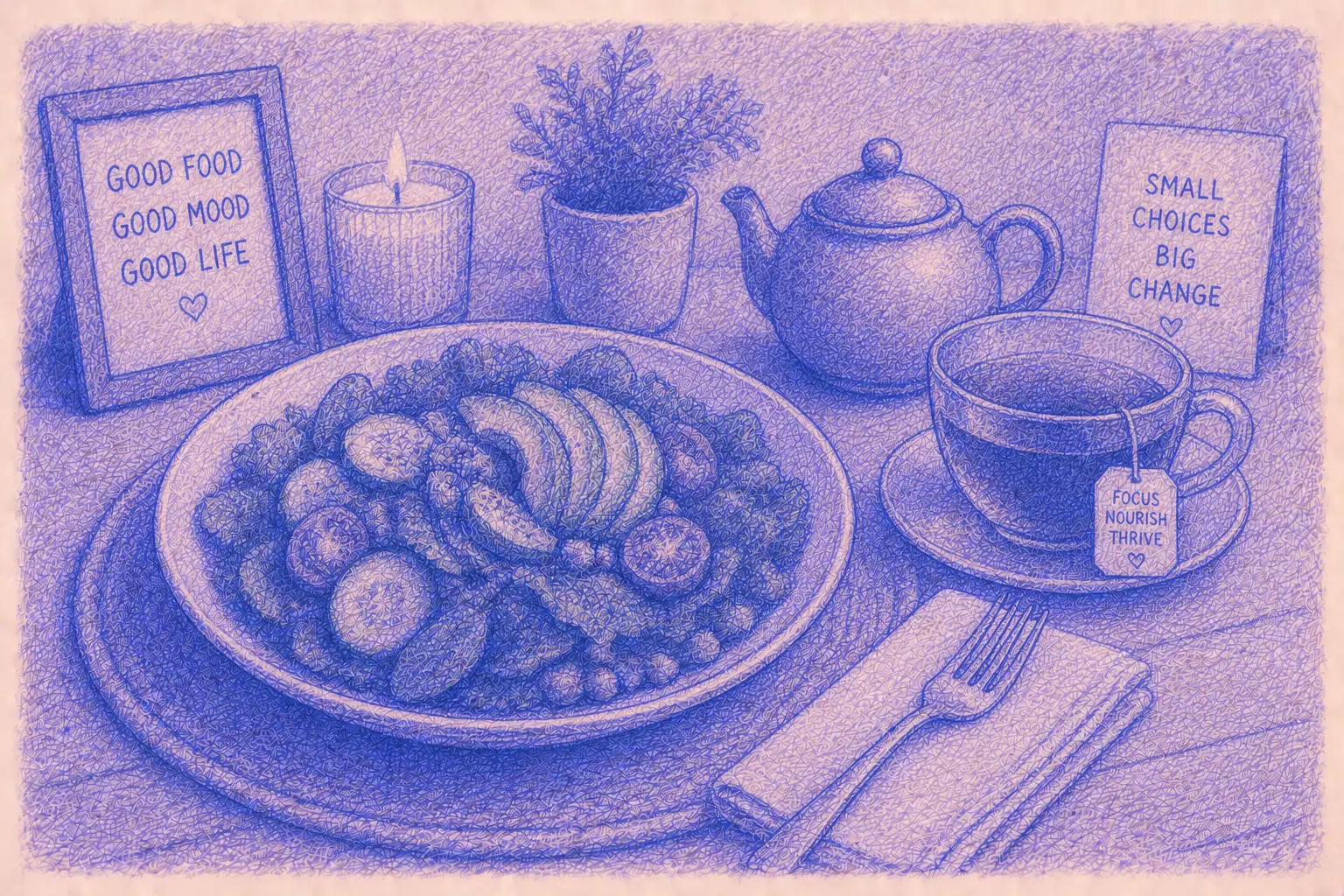
A health coach helps you change how you eat, move, sleep and handle stress, and then helps you keep doing it once the first burst of motivation is gone.
That second part is the actual job. Information about health is free and everywhere. What people pay a health coach for is the gap between knowing what to do and doing it on a Tuesday when work is on fire.
If you run a business or carry a heavy workload, that gap is usually wide. Your health is the first thing that gets pushed to “next week,” and next week keeps moving.
What a Health Coach Does (And Doesn’t Do)
A health coach works with you on behavior. They help you pick a realistic goal, figure out what keeps getting in the way, build a plan around your real schedule and check in so the plan doesn’t quietly die.
A health coach is not a doctor, a dietitian or a therapist. They don’t diagnose anything, they don’t prescribe medication and, in most places, they shouldn’t be writing medical meal plans for a condition like diabetes. A good one will tell you that upfront and send you to the right professional when something is outside their lane.
The title itself isn’t protected in most countries, so anyone can call themselves a health coach. In the US, the most recognized credential is the NBC-HWC from the National Board for Health and Wellness Coaching, which requires approved training and a board exam. Ask about training before you hire anyone. It’s a fair question, and a good coach won’t be offended by it.
What Issues Can a Health Coach Help With?
Most clients come in with one of these:
- Weight changes: losing or gaining weight in a way you can keep up, without the cycle of strict diet, collapse, guilt and repeat. (I wrote more about the mindset side of this in whether a life coach can help you lose weight.)
- Eating habits: skipping meals during busy days, eating at your desk, living on coffee until mid-afternoon, or not knowing how to eat well around a restriction your doctor already gave you.
- Movement: getting regular exercise back into a week that’s already full, in a form you’ll keep up.
- Stress and sleep: building recovery into your routine before your body forces it on you. If you’re already running on empty, read my post on burnout from work too.
- Living with a chronic condition: following the lifestyle side of a plan your doctor set, like more walking or less salt, and actually sticking to it.
- Motivation that keeps disappearing: you start strong every January and every Monday, and it fades every time.
That last one shows up underneath almost all the others.
How Does Health Coaching Work?
The structure is similar across most coaches, even if the style varies.
- Assessment: the coach asks about your current health, your habits, your schedule and what you’ve already tried. The “already tried” part matters most, because it shows where things broke last time.
- Goal setting: you agree on goals that are specific and measurable. “Walk after lunch on workdays” is something you can check off. “Get healthier” gives you nothing to measure.
- A plan that fits your life: the steps get built around your real calendar, your family, your travel and your energy levels.
- Regular check-ins: usually weekly or every 2 weeks at the start. You look at what happened, what got in the way and what to change.
- Accountability: someone expects an update from you. For a lot of high achievers, that alone changes behavior, because you’re used to delivering for other people.
Over time, the check-ins get less frequent. The point is for you to run the system without the coach.
Check out the Free · Vision to Action Planner
More infoWhat Techniques Do Health Coaches Use?
The tools are less mysterious than the marketing makes them sound.
- Motivational interviewing: the core method in most health coaching. Instead of telling you what to do, the coach asks questions that get you to name your own reasons for changing, and your own reasons for not changing yet. Psychology Today describes it as a method where the practitioner listens more than they intervene. It works because people defend advice they’re given and follow through on conclusions they reach themselves.
- Habit design: small, repeatable actions tied to cues you already have in your day. If you want the mechanics behind this, my post on the habit loop breaks down how cue, routine and reward actually work.
- SMART goals: specific, measurable, achievable, relevant and time-bound. It’s an old framework, and it still beats vague intentions.
- Stress reduction: breathing exercises, short walks, mindfulness, and protecting sleep like it’s a meeting you can’t move.
- Nutrition education: reading labels, planning meals for the week, and understanding why you crash in the afternoon.
- Movement planning: finding activity you’ll keep doing at your current fitness level, not the one you had years ago.
None of these are secret. The value is in having someone help you pick the 1 or 2 that fit your situation and drop the rest.
Why Busy People Struggle With Health Habits
I’ll be honest about this part, because it’s where I spend most of my time with clients.
When you’re a founder or a senior professional, your health habits rarely fail because you lack information. They fail because every hour already has a job, and anything without a slot on the calendar loses to whatever’s urgent.
There’s usually a belief underneath it too. “I’ll rest when this launch is done.” “I can’t take a lunch break, the team will think I’m slacking.” “If I stop, everything falls apart.” Those beliefs make skipping the gym feel responsible, which is why willpower doesn’t fix it.
So the plan has to do 2 things. It has to fit inside a real week, and it has to deal with the thinking that keeps pushing your health to the bottom of the list.
That’s also why I’m skeptical of one-size-fits-all routines. Not everyone needs a 5 a.m. alarm, an ice bath and a long morning routine. Some people need a short walk at lunch and a hard stop in the evening. I don’t recommend a habit I haven’t run on myself first, and a lot of popular ones didn’t survive that test.
What Improvements Can You Expect?
It depends on what you put in and where you’re starting from. A coach can’t do the walking for you, and if you skip the work between sessions, the results stall. That’s on you.
When people do the work, the common changes are:
- You understand your own patterns: when you eat badly, when you skip workouts, what usually triggers it.
- You have more energy during the day and fewer afternoon crashes.
- Your fitness improves at a pace you can keep up.
- You handle stress better, and you notice warning signs earlier.
- You make progress on a specific goal, like weight, blood pressure numbers your doctor is tracking, or sleep.
Don’t trust anyone who promises a timeline for any of this.

What Are the Benefits of a Health Coach?
The real benefits are fairly practical.
- Personal support: the plan is built around your schedule, your preferences and your constraints, so you’re not following a template written for someone else.
- Accountability: regular check-ins keep you honest on the weeks motivation is low, which are the weeks that count.
- Knowledge in one place: a coach points you to reliable information on nutrition, movement and sleep, so you stop piecing it together from social media.
- Change that lasts: the focus is on habits you’ll still have next year.
There’s a business case too. Employers have been tracking the return on wellness programs for years, and Harvard Business Review covered the numbers back in 2010: well-run programs lowered healthcare costs and improved productivity. If you run a team, your own health habits set the tone for theirs.
Health Coach or Life Coach?
They overlap, but the focus is different.
A health coach works on your body: food, movement, sleep, stress management. A life coach works on the bigger picture: your goals, your career, your relationships, and the beliefs and patterns that keep you stuck across all of them.
If your problem is “I don’t know how to eat well,” start with a health coach or a registered dietitian. If your problem is “I know exactly what to do and I still don’t do it,” the block is probably somewhere else, and that’s where a life coach comes in.
Looking for Support With Your Health Goals?
I’m a life coach, not a health coach, so I won’t write you a meal plan. What I work on is the part underneath: the overwork, the guilt about stopping, the procrastination and the systems that make healthy habits fit into a full schedule. If that’s where you keep getting stuck, get in touch and tell me what’s going on.
About the Author

Paloma Chiara
Certified Life Coach
Guiding you toward your best self through mindful transformation.
Contact me
The perfect time was last quarter.
Tell me where you're stuck. We'll build the systems around it.
Let's startRecent posts
-
How to Stop Feeling Overwhelmed as a Business Owner
Read blog -
How to Overcome Fear of Success in Your Business
Read blog -
How to Overcome the Fear of Hiring in Your Business
Read blog -
How to Stop Shiny Object Syndrome in Your Business
Read blog -
How to Stop Feeling Guilty for Not Working
Read blog -
How to Overcome the Fear of Self-Promotion as a Business Owner
Read blog
Comment