
How Long Does Life Coaching Last?

Most coaching relationships run three to six months. Some wrap in six weeks. Others run a year or more. There’s no fixed number — what you’re working on, and how hard you work between sessions, decides it.
In my own practice, duration tracks the work itself: root cause first, then a system built around it, then enough accountability to make it stick. Skip a step and the timeline just stretches to cover the gap.
What Actually Sets the Timeline
Coaching isn’t a fixed program with a start and end date printed on it. It’s a partnership, and you and your coach adjust the length as you go. Five things drive that decision.



Nature of the Goals
Some goals take a handful of sessions. Others take a year. It depends entirely on what “done” looks like for you, and whether you’ve actually defined it — a vague goal drags out far longer than a specific one. Goal-setting theory exists for exactly this reason: a target with a number and a date attached moves faster than one without.
Example: Fixing a daily routine and getting your time management under control is usually a six-to-eight-week engagement. Nothing complicated, just execution.
Your Commitment Between Sessions
This is the biggest lever, bigger than anything your coach does. Show up to the session, then do nothing until the next one, and you’ll need twice the sessions to get half the result. Do the work between calls and the timeline compresses fast. HBR calls this the real test of whether someone is ready to be coached at all — willingness to act on what comes up, not just talk about it.
Example: Launching a small business usually takes several months of coaching — building the plan, lining up financing, actually shipping the thing. How fast that moves is almost entirely down to how much you do in the weeks between sessions, not the sessions themselves.
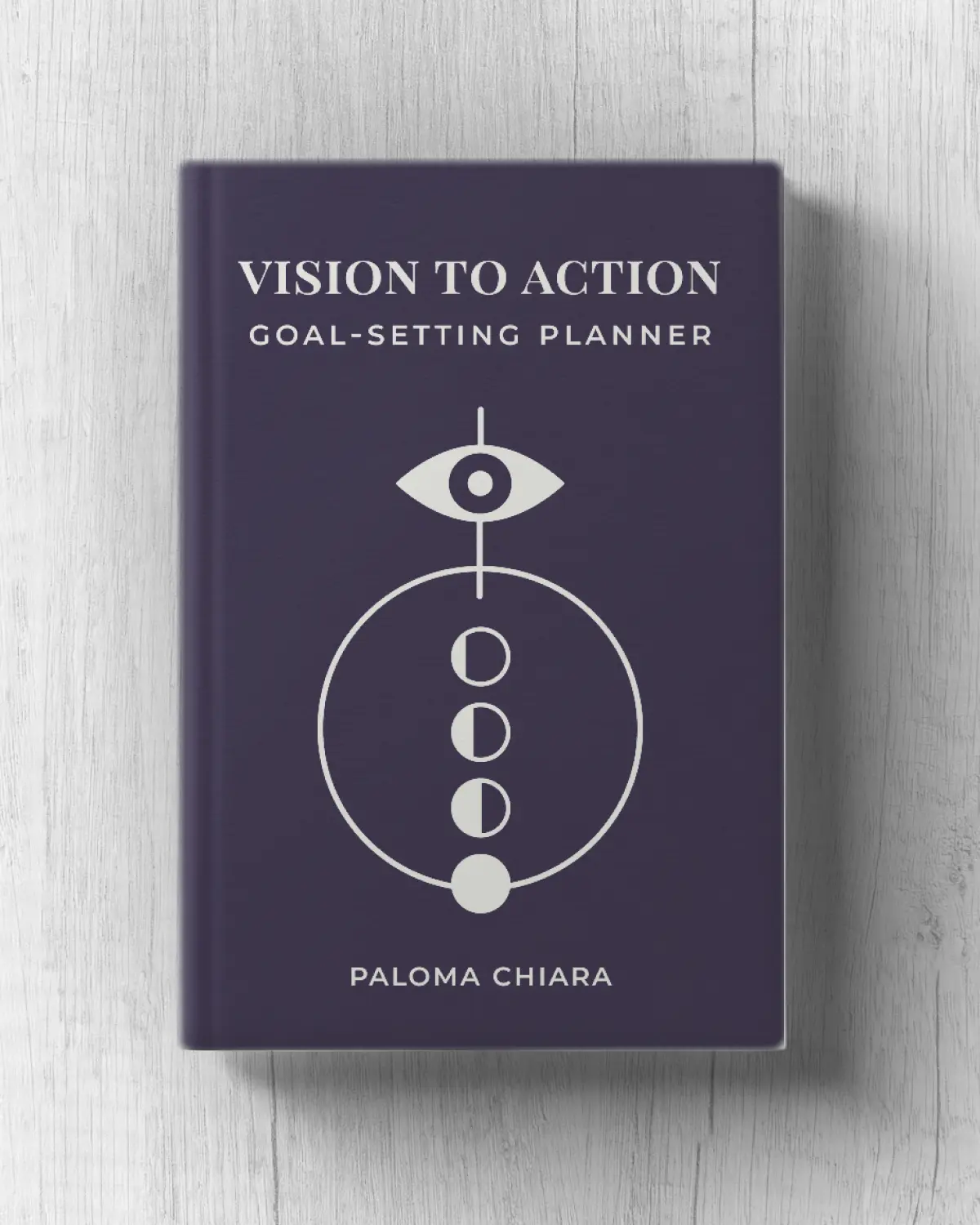
Check out the Free · Vision to Action Planner
More infoHow Often You Meet
Weekly, biweekly, monthly — the cadence you pick changes the math, not just the calendar. More frequent sessions compress the timeline because momentum doesn’t have time to die between calls.
Example: Someone working through anxiety or a confidence problem tends to see faster movement on weekly sessions than someone using monthly check-ins for a slower-moving career goal.
How Deep the Pattern Runs
A skills gap closes fast. A pattern you’ve been running for fifteen years doesn’t. The old “21 days to build a habit” claim doesn’t hold up — Psychology Today points to research putting the real number closer to 66 days, and that’s for a simple habit. A deep-seated pattern around self-worth takes longer than a month of good intentions to unwind.
Example: Long-running self-esteem issues typically need months, sometimes longer, because you’re not just building a new behavior — you’re dismantling an old story first.
Your Time and Resources
How much time, energy, and money you actually have to put into this shapes the format, not just the length. Treat it as a real constraint and design around it from the start.
Example: A demanding job and a family at home usually points toward shorter, more intensive blocks aimed at one specific problem rather than an open-ended engagement.
Typical Timelines by Goal
Here’s roughly what each common goal takes in practice.
Career advancement — a manager working toward a promotion: 3 to 6 months, biweekly. Enough time to get clear on the goal, build the leadership skills, and put a real strategy behind it. A concrete target moves faster than a vague one.
Overcoming procrastination — 2 to 4 months, weekly. Procrastination is rarely a discipline problem; it’s usually a system problem, and systems can be rebuilt in a few months once you find the actual root.
Stress management — 2 to 3 months, weekly or biweekly. The goal is real coping strategies and a sustainable pace, not white-knuckling through another quarter of burnout.
Building self-confidence — 4 to 6 months, weekly or biweekly. Confidence work usually means confronting a fear of failure head-on, and that takes longer than a skills gap because the block is emotional, not tactical.
Entrepreneurship and business development — 6 to 12 months, biweekly. Ideation, planning, execution, scaling — coaching covers all four stages, and each one takes real time to do properly.
Health and wellness — 6 to 12 months, weekly at first, then biweekly. Weight loss and fitness changes that actually stick need months of accountability, not a six-week sprint that collapses the moment life gets busy again.
None of these numbers are a contract. Plenty of clients finish one goal, take a break, and come back six months later for the next one — picking up a system they already built and pointing it at a new target. The first round is usually the slowest because you’re building the system. The second round moves faster because the system’s already there.
If you’d like to explore working together, get in touch.
Quiz: What Is Blocking Your Success?
This quick quiz will help you figure out which mental or behavioral pattern might be holding you back from achieving your full potential. Identifying your specific success blocker is the first step toward breaking through to new levels of achievement and fulfillment.
Read each question and choose the answer that feels most true to your situation.
No email or payment is required to complete the quiz and receive your personalized insights.
Once you have your primary success blocker, you have clarity about what’s been holding you back. This awareness is powerful—many people spend years struggling without understanding the specific pattern that’s limiting their progress.
Remember, these patterns aren’t permanent character traits but rather habitual ways of thinking and behaving that can be changed with the right guidance and practice.
If you’re ready to break through your specific blocker and achieve the success you know you’re capable of, send me an email to try out a coaching session. Your breakthrough awaits!
How You Know You’re Done
Forget the calendar. You’re done when you’re solving your own problems without pausing to ask “what would my coach say?”
That might take six weeks. It might take a year. Length was never the point — the work moving is.
About the Author

Paloma Chiara
Certified Life Coach
Guiding you toward your best self through mindful transformation.
Contact me
The perfect time was last quarter.
Tell me where you're stuck. We'll build the systems around it.
Let's startRecent posts
-
How to Take a Vacation as a Business Owner (Without the Guilt)
Read blog -
How to Overcome the Fear of Raising Your Prices
Read blog -
How to Handle Criticism as a Founder Without Losing Confidence
Read blog -
How to Stop Micromanaging Your Team
Read blog -
The Arrival Fallacy (Why Success Doesn't Feel Like Enough)
Read blog -
Why Business Owners Can't Switch Off From Work
Read blog
Comment