
How to Hug Someone (and Why It Actually Matters)
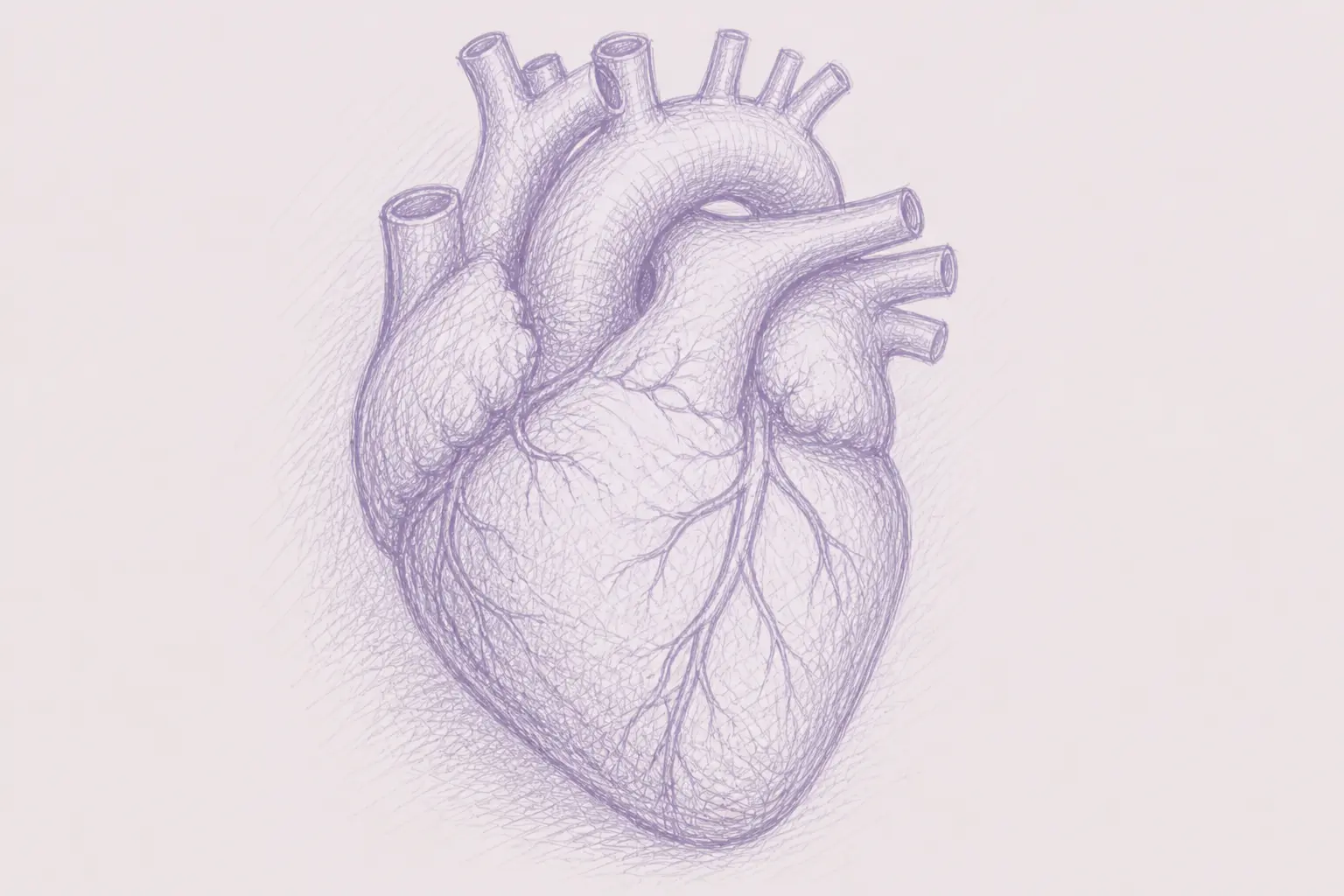
Most people hug on autopilot. You lean in, you pat twice, you pull back. It’s friendly, it’s fine, and it barely registers for either person.
A real hug is different. And the gap between the two matters more than it might seem.



Why Hugs Work
Physical touch triggers the release of oxytocin, sometimes called the bonding hormone, which lowers cortisol and reduces the physiological stress response. A 2015 study from Carnegie Mellon University found that people who received more frequent hugs were less likely to get sick after being exposed to a cold virus, and when they did get sick, their symptoms were less severe.
The effect isn’t subtle. A 20-second hug is long enough to get a meaningful oxytocin release. Most social hugs last about 3 seconds.
Touch deprivation is a real and underreported issue. People who go long stretches without physical contact, whether from living alone, grief, or just social environments where touch is rare, often experience increased anxiety and a heightened stress baseline. The body reads the absence of touch as a kind of threat.
What Makes a Hug Actually Land
Presence first. The hug that feels like nothing is usually the one where someone is already mentally moving on. Before you lean in, actually arrive. Make brief eye contact, slow down.
Full contact. The pat-on-the-back hug works at arms’ length. A real hug means your whole torso is involved, not just your shoulders. It feels less formal and more human.
Let the other person lead on timing. Releasing first can communicate you want out. If you’re hugging someone who’s upset or scared, wait for them to start to pull away rather than deciding when it’s done. Those extra few seconds are often where the hug becomes meaningful.
Match the pressure. A hug that’s too limp reads as reluctant. One that’s too tight is overwhelming. Pay attention to how the other person’s body responds and adjust.
Hugging Someone Who Is Grieving or in Pain
This is where the autopilot hug does the most damage. Someone who’s just had terrible news doesn’t need a 3-second pat. They need to feel held.
Go in slow. Ask if they want a hug before you assume. When you hold them, keep your breathing steady and don’t speak immediately. Let there be a few seconds of just contact before anything else.
If they cry, stay. The instinct to pull back when someone cries is almost universal and almost always wrong. Pulling back at that moment says: this is too much for me. Staying says: I can hold this with you.
Check out the Free · Vision to Action Planner
More infoAlways Ask First
This should go without saying and apparently still needs saying: ask before you hug someone, especially if you’re not close or if the situation is emotionally charged. “Can I give you a hug?” takes 2 seconds and gives the other person real agency over their own body.
Some people find hugs comforting. Some people, especially those with sensory sensitivities or trauma histories, find unexpected physical contact destabilizing even when it’s well-intentioned. Asking respects that without making it a big deal.
What Cuddle Therapy Is
Cuddle therapy, also called professional cuddling or somatic touch therapy, is a form of platonic touch-based support practiced by trained professionals. Sessions typically involve non-sexual, consensual touch: holding, resting with someone, sometimes just sitting in close physical proximity.
It sounds unusual until you understand the context. Many people, particularly those who are single, grieving, elderly, or socially isolated, go weeks or months with almost no physical contact. Cuddle therapists work within a clear ethical framework, with defined boundaries, explicit consent practices, and in many cases professional certification.
The field is small but growing. Organisations like Cuddlist in the US offer practitioner training and client matching. Rates typically run between $80 and $120 per hour, which puts it in the range of many talk therapy sessions.
The goal isn’t romance or even deep emotional processing in the traditional sense. It’s regulated nervous system contact. For people who are touch-deprived, a single session can have a measurable calming effect that lasts for days.
Who It’s Actually For
People seek out cuddle therapy for a range of reasons: going through a divorce, processing grief, recovering from a relationship where touch became associated with conflict, living alone for extended periods, or simply recognizing that touch has been missing and wanting to address that deliberately.
It’s also used by people with anxiety disorders who want to work on tolerating closeness in a safe, structured context, and by some neurodivergent individuals who find it easier to receive physical comfort outside of the complexity of personal relationships.
It’s worth being clear: cuddle therapy is not a replacement for psychotherapy when someone needs it. But for the specific problem of touch deprivation and nervous system regulation, it addresses something that talk-based approaches don’t touch (literally).
The Broader Point
We tend to underestimate how much our physical experience of connection shapes our emotional state. A good hug, given and received properly, can shift someone’s nervous system within seconds. Chronic absence of touch does real, measurable damage over time.
If you’re thinking about any of this because you recognize something missing in your own life, whether it’s physical contact, emotional closeness, or just feeling seen and held in some form, that’s worth paying attention to rather than dismissing.
Coaching won’t replace touch. But it can help you understand what you’re actually craving and what in your life might be making it harder to get. If you want to explore that, reach out.
Quiz: What Is Blocking Your Success?
This quick quiz will help you figure out which mental or behavioral pattern might be holding you back from achieving your full potential. Identifying your specific success blocker is the first step toward breaking through to new levels of achievement and fulfillment.
Read each question and choose the answer that feels most true to your situation.
No email or payment is required to complete the quiz and receive your personalized insights.
Once you have your primary success blocker, you have clarity about what’s been holding you back. These patterns aren’t permanent character traits, they’re habitual ways of thinking and behaving that can be changed with the right guidance and practice.
If you’re ready to break through your specific blocker, send me an email to try out a coaching session.
About the Author

Paloma Chiara
Certified Life Coach
Guiding you toward your best self through mindful transformation.
Contact me
The perfect time was last quarter.
Tell me where you're stuck. We'll build the systems around it.
Let's startRecent posts
-
How to Overcome the Fear of Raising Your Prices
Read blog -
How to Handle Criticism as a Founder Without Losing Confidence
Read blog -
How to Stop Micromanaging Your Team
Read blog -
The Arrival Fallacy (Why Success Doesn't Feel Like Enough)
Read blog -
Why Business Owners Can't Switch Off From Work
Read blog -
How to Set Boundaries with Your Team Without Feeling Like a Bad Boss
Read blog
Comment