
How to Recover from Life Burnout
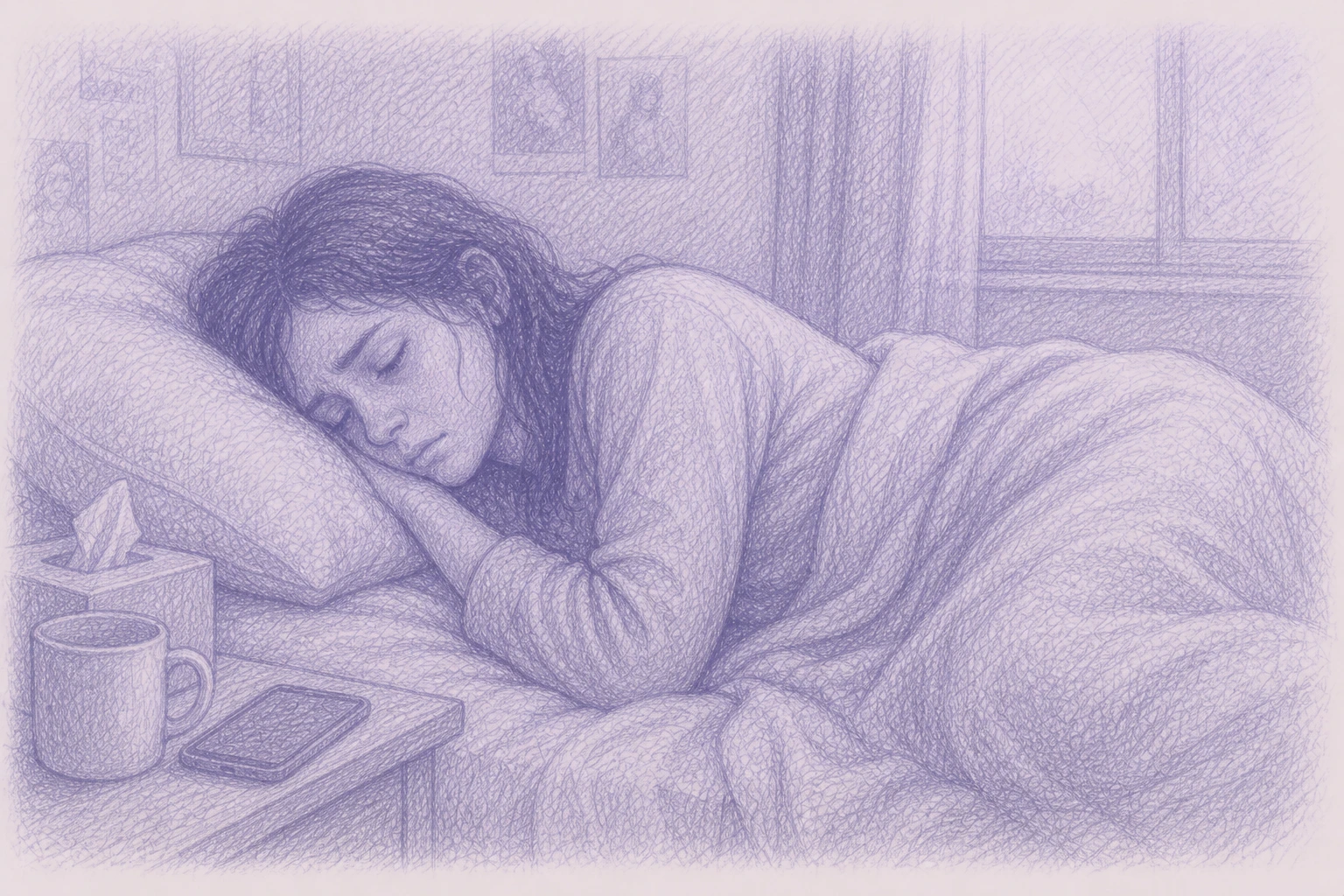
Work burnout has a clear villain. The job, the manager, the hours, the culture. You can point at it.
Life burnout is harder to name. The exhaustion comes from everywhere and nowhere at once: from being the person who remembers things, who plans things, who holds it all together. From a life that looks completely fine from the outside and feels like it’s slowly grinding you down from the inside.


How Life Burnout Differs from Work Burnout
Work burnout is about a specific environment. Remove or change the environment and recovery becomes possible.
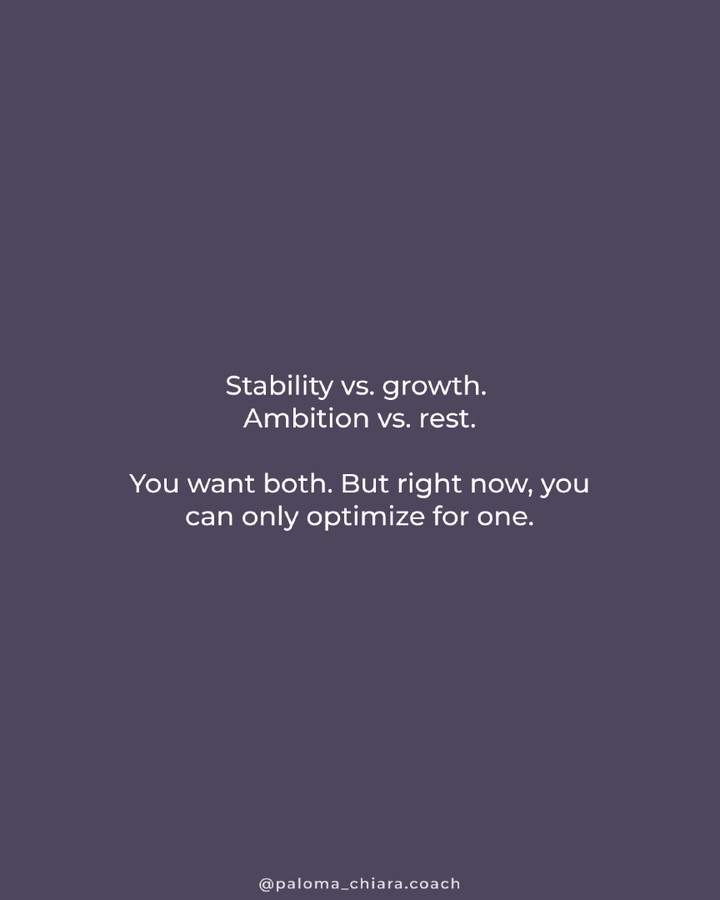
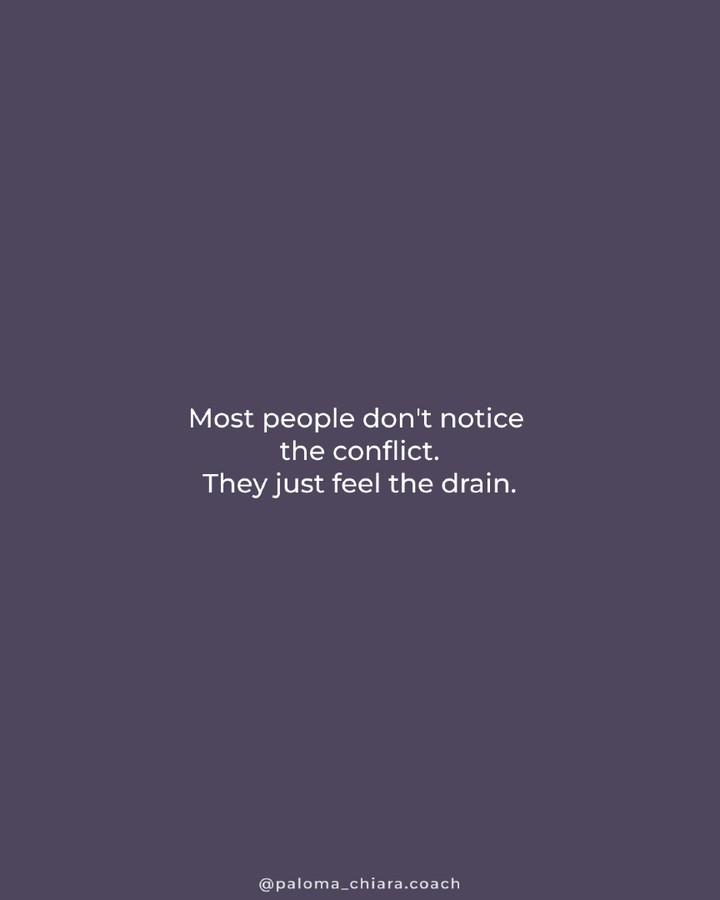
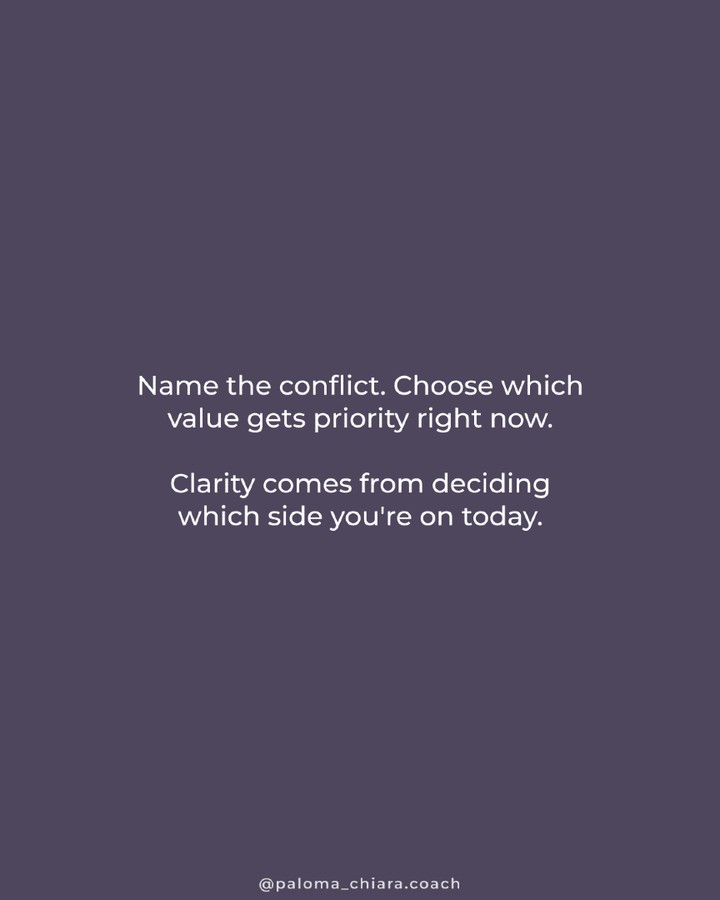
Life burnout is about the accumulation. It’s what happens when the cognitive and emotional weight of running your entire existence, not just your job but your relationships, your health, your finances, your family, your home, your social obligations, your identity, becomes more than your system can keep absorbing.
You can take a vacation and still feel it. Because the life you’re vacationing from is still yours when you land.
Signs That Are Specific to Life Burnout
You feel behind on everything, even when nothing is actually overdue. The to-do list in your head never empties because it covers every domain of your life simultaneously.
Things that used to feel like enjoyment now feel like obligation. Seeing friends, cooking, exercise, hobbies. The things that were supposed to recharge you have become part of the load.
You feel a low-level resentment that you can’t fully justify. Toward people who seem to have it easier, toward the demands placed on you, sometimes toward yourself for not managing better.
You make it through the day and then collapse. Not pleasantly tired. Depleted in a way that sleep doesn’t fully fix.
And possibly the clearest sign: you can’t remember the last time you did something just because you wanted to, with no practical return.
The Mental Load Underneath It
Life burnout often lives in what doesn’t get counted as work. The mental load: tracking what’s running low in the house, remembering which appointments are coming up, noticing a friend hasn’t replied in a while, anticipating what everyone around you needs before they ask.
This work is invisible by definition. It never gets done, because it’s continuous. And because it’s invisible, it rarely gets acknowledged, shared, or reduced. It just sits with whoever is carrying it, compounding.
For a lot of people, especially women and caregivers, the mental load accounts for a significant chunk of the exhaustion. Addressing it means naming it explicitly and negotiating who holds what, which is uncomfortable but necessary.
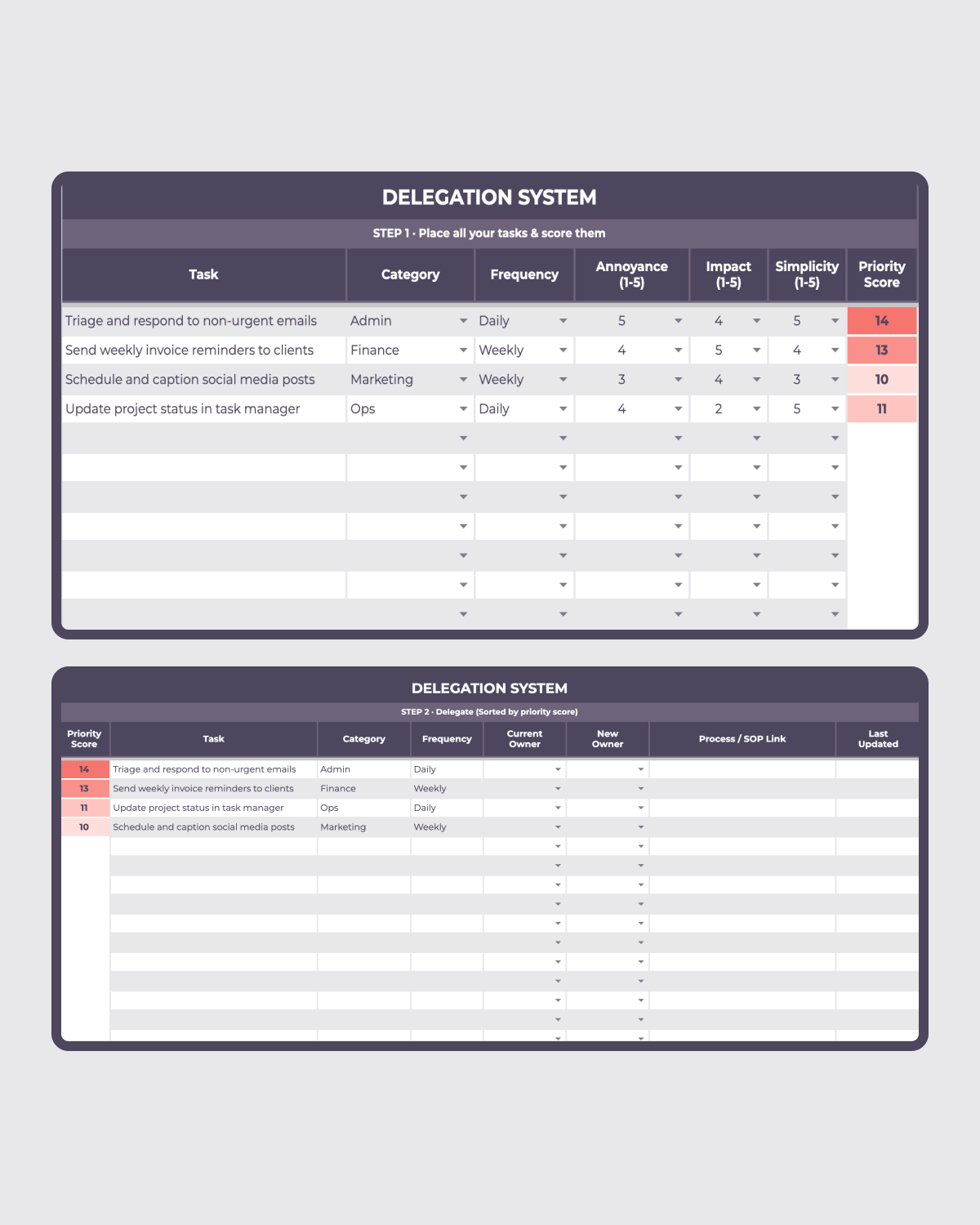
Check out the Free · Delegation System
More infoWhat the Exhaustion Is Sometimes Protecting
Underneath life burnout, there’s often a question that’s been avoided. Something like: is this the life I actually want? Or: I built all of this and I still don’t feel okay, so what does that mean?
The busyness of a full life can function as a buffer against those questions. When you’re exhausted, you don’t have the bandwidth to sit with them. And so they stay unasked while the exhaustion keeps building.
This isn’t always what’s happening. But if your burnout is chronic and doesn’t respond to the usual interventions, it’s worth asking whether part of you is running from something rather than just running out of energy.
What Actually Helps
Reduce the volume before you optimize it. The first instinct is usually to get more organized, find a better system, use a better app. That’s reorganizing the load, not reducing it. Reduction means actually dropping things, delegating things, saying no to things that have accumulated by default.
Grieve the version of life you thought you’d have. Life burnout often carries a layer of grief that goes unacknowledged. You expected your life to feel a certain way by now, and it doesn’t. Naming that loss, even if only to yourself, takes some of its weight away.
Find one thing that’s genuinely yours. A small and consistent thing you do with no justification: for pleasure, for no outcome, for nobody else. Even 20 minutes matters. The brain needs proof that you exist outside of what you manage.
Be honest with the people in your life. Carrying the load quietly and then collapsing is a pattern that tends to repeat. A conversation about what’s unsustainable, even if it’s uncomfortable, is more useful than continuing to absorb it.
The Harder Question: What Do You Actually Want
Recovery from life burnout isn’t just about rest. It often involves reconsidering what you’ve said yes to, what you’ve built by default, and what you’d choose if you were choosing deliberately.
That’s a big question and most people don’t have the space to think about it when they’re in the middle of depletion. But it’s the question that ultimately separates people who recover from burnout and build something different from people who recover just enough to go back to the same conditions.
You don’t need to answer it all at once. But you do need to start asking it.
Getting Support
If life burnout has tipped into depression, persistent numbness, or an inability to function in daily life, therapy is the appropriate first step. A GP can help you get there.
Coaching is useful when you’re functional but stuck: when you know something needs to change but you don’t have clarity on what, or you can see several possible directions and can’t think through them on your own. Having someone hold the space for that kind of thinking, consistently, over time, tends to accelerate it considerably.
If that’s where you are, reach out.
Quiz: What Is Blocking Your Success?
This quick quiz will help you figure out which mental or behavioral pattern might be holding you back from achieving your full potential. Identifying your specific success blocker is the first step toward breaking through to new levels of achievement and fulfillment.
Read each question and choose the answer that feels most true to your situation.
No email or payment is required to complete the quiz and receive your personalized insights.
Once you have your primary success blocker, you have clarity about what’s been holding you back. These patterns aren’t permanent character traits, they’re habitual ways of thinking and behaving that can be changed with the right guidance and practice.
If you’re ready to break through your specific blocker, send me an email to try out a coaching session.
About the Author

Paloma Chiara
Certified Life Coach
Guiding you toward your best self through mindful transformation.
Contact me
The perfect time was last quarter.
Tell me where you're stuck. We'll build the systems around it.
Let's startRecent posts
-
How to Take a Vacation as a Business Owner (Without the Guilt)
Read blog -
How to Overcome the Fear of Raising Your Prices
Read blog -
How to Handle Criticism as a Founder Without Losing Confidence
Read blog -
How to Stop Micromanaging Your Team
Read blog -
The Arrival Fallacy (Why Success Doesn't Feel Like Enough)
Read blog -
Why Business Owners Can't Switch Off From Work
Read blog
Comment