
Exercises for Stress Relief That Actually Work
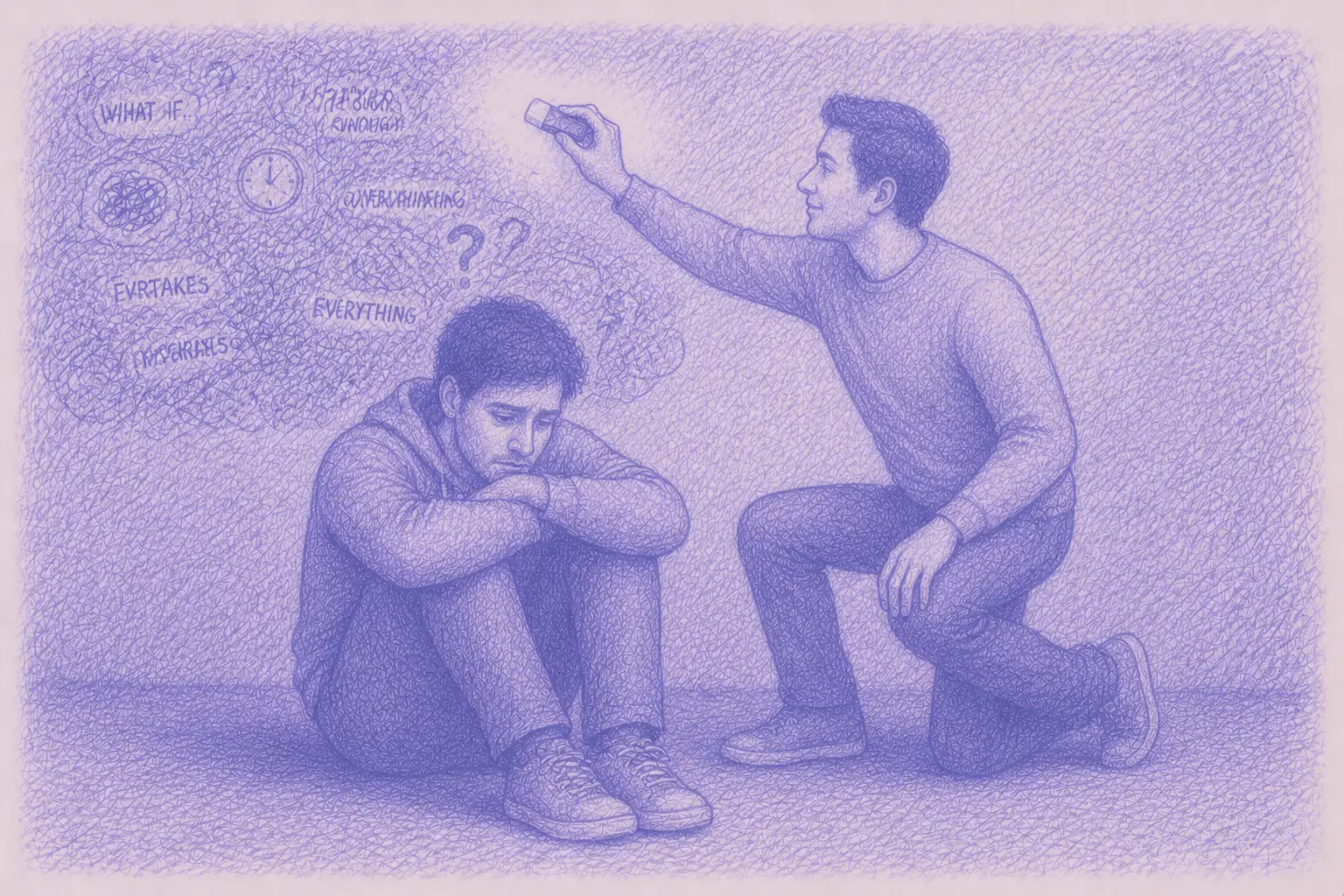
“Exercise more” is the advice everyone gives for stress and almost nobody follows when they’re actually stressed. Because when your nervous system is in overdrive, the last thing that feels possible is lacing up and going for a run.
The good news is that the most effective stress relief exercises are mostly not what you picture. Some of them take 5 minutes. Some of them you can do at your desk.
Why Physical Movement Helps at All
Stress evolved as a preparation for action. Cortisol and adrenaline flood your system to get you ready to run or fight. The problem is that most modern stress has no physical outlet: the difficult email, the financial worry, the relationship tension. The hormones arrive and then have nowhere to go.
Movement burns through them. Even a 10-minute walk measurably lowers cortisol. You don’t need intensity. You need to give the stress response somewhere to land.
Walking
The most underrated one. A 2015 study from Stanford found that walking in nature for 90 minutes reduced activity in the part of the brain associated with rumination. But you don’t need nature or 90 minutes. Even a 10-minute walk around the block changes your physiological state.
The key is to leave your phone in your pocket. Walking while scrolling is not the same thing. The point is to give your attention somewhere other than the thought loop.
Box Breathing
Used by Navy SEALs specifically for high-stress situations, which is a decent endorsement. The pattern: inhale for 4 counts, hold for 4, exhale for 4, hold for 4. Repeat for 4 rounds.
It works because the slow, controlled exhale activates the parasympathetic nervous system, which is the branch responsible for calming the stress response. You’re essentially using your breath to manually switch lanes.
This one is useful mid-meeting, before a difficult conversation, or when you feel the physical signs of anxiety arriving before you’ve had time to think.
Progressive Muscle Relaxation
Developed by physician Edmund Jacobson in the 1920s, and still one of the most research-supported techniques for stress and anxiety. The method: systematically tense each muscle group for about 5 seconds, then release. Start at your feet and work up to your face.
The logic is that physical tension and psychological tension are connected, so deliberately releasing one helps release the other. Most people discover they’ve been holding tension in their shoulders, jaw, or hands without realizing it.
It takes about 15 minutes for the full version. There’s also a compressed version (just hands, shoulders, and face) that you can do in 3 minutes.
Coloring
The adult coloring book trend that exploded around 2015 had more going for it than it seemed. Studies published in the journal Art Therapy found that coloring geometric patterns, specifically the kind found in mandalas, reduced anxiety symptoms in a way that free-form drawing didn’t.
The reason seems to be the combination of repetition, focus, and low stakes. Your prefrontal cortex gets something specific to do (stay in the lines, choose a color) without any pressure or consequence. The task is contained, and that containment is calming. It’s close in effect to meditation, but it doesn’t require you to quiet your mind, just redirect it.
You don’t need a special book. A printed mandala from the internet and a set of colored pencils is enough.
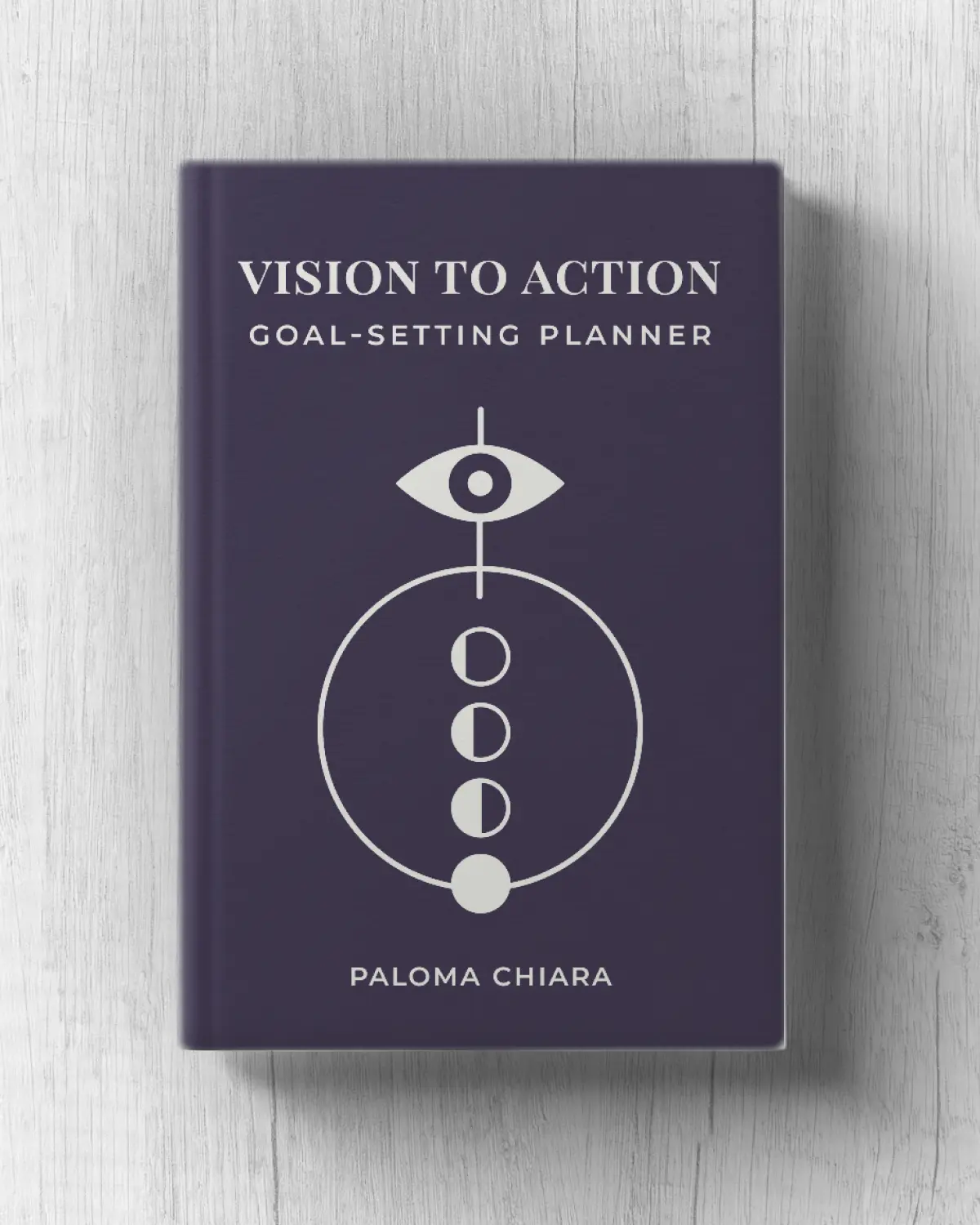
Check out the Free · Vision to Action Planner
More infoYoga
Specifically the kind that prioritizes slow movement and breath over intensity. Yin yoga, restorative yoga, or a gentle flow rather than a heated vinyasa class if your nervous system is already maxed out.
The combination of movement, controlled breathing, and sustained held poses activates the relaxation response more reliably than most other forms of exercise. The physical poses also tend to surface where you’re holding tension in ways that are harder to access just sitting still.
If you’ve never tried it, a 20-minute YouTube session at home is a lower-barrier start than signing up for a class.
Shaking
Less familiar but backed by somatic research. Animals naturally shake after a threat response to discharge the stress hormones from their system. Humans have largely lost this, which may partly explain why we hold stress so persistently in our bodies.
Intentional shaking (starting with your legs, letting it move up through your torso and arms, for 5 to 10 minutes) activates the same discharge mechanism. It feels bizarre the first time. It also works noticeably quickly, which is why it’s sometimes used in trauma-sensitive somatic therapy.
Journaling with a Specific Method
Unstructured journaling can sometimes increase rumination rather than reduce it. You write about what’s stressing you, and you end up just cycling through it more articulately.
2 methods that research supports specifically for stress reduction:
Expressive writing: Write for 15 to 20 minutes about something stressful, going into the emotions and the meaning you’re making of it, not just the facts. Psychologist James Pennebaker has studied this for decades: people who do this consistently show measurable improvements in immune function, mood, and cognitive clarity over time.
Worry time journaling: Write out everything you’re anxious about, then close the notebook. The point is to give the worry a container with a clear end point so it’s not leaking into the rest of your day.
Cold Water
Brief cold exposure, a 30-second cold shower or holding your wrists under cold water, triggers a noradrenaline release that produces a calm, focused state. It’s uncomfortable for the first few seconds and then most people find it clears their head quickly.
It’s not a long-term stress management strategy on its own. But as an immediate intervention when you’re spinning, it’s fast and it works.
The One That Actually Compounds
Any of the above, done consistently, does more than any of them done occasionally. The benefit of stress relief practices isn’t just what happens in the moment: it’s that repeated activation of the relaxation response gradually lowers your stress baseline.
The goal isn’t to manage stress better when it arrives. It’s to arrive at stressful situations with a more regulated nervous system to begin with.
If stress is a chronic pattern in your life rather than a situational one, that’s worth looking at properly, what’s feeding it, what in your structure or your thinking is keeping it high. Coaching can help with that part. Reach out if you want to work on it.
Quiz: What Is Blocking Your Success?
This quick quiz will help you figure out which mental or behavioral pattern might be holding you back from achieving your full potential. Identifying your specific success blocker is the first step toward breaking through to new levels of achievement and fulfillment.
Read each question and choose the answer that feels most true to your situation.
No email or payment is required to complete the quiz and receive your personalized insights.
Once you have your primary success blocker, you have clarity about what’s been holding you back. These patterns aren’t permanent character traits, they’re habitual ways of thinking and behaving that can be changed with the right guidance and practice.
If you’re ready to break through your specific blocker, send me an email to try out a coaching session.
About the Author

Paloma Chiara
Certified Life Coach
Guiding you toward your best self through mindful transformation.
Contact me
The perfect time was last quarter.
Tell me where you're stuck. We'll build the systems around it.
Let's startRecent posts
-
How to Take a Vacation as a Business Owner (Without the Guilt)
Read blog -
How to Overcome the Fear of Raising Your Prices
Read blog -
How to Handle Criticism as a Founder Without Losing Confidence
Read blog -
How to Stop Micromanaging Your Team
Read blog -
The Arrival Fallacy (Why Success Doesn't Feel Like Enough)
Read blog -
Why Business Owners Can't Switch Off From Work
Read blog
Comment