
How to Use a Life Coach

Hiring a coach doesn’t fix anything by itself. What you do between sessions is where the actual change happens — the hour with your coach just points you in the right direction.
A Life Coach Isn’t a Therapist or a Consultant
A life coach doesn’t diagnose you. They’re a partner who asks the questions that get you to the root of what’s actually stalling you, then helps you build a real strategy around it.
That distinction matters, because it changes what you should expect. You won’t get told what to do. You’ll get pushed to figure out what you actually want, then held to it. Psychology Today has a good breakdown of where coaching ends and therapy begins if you’re not sure which one fits your situation.
Set a Goal Specific Enough to Act On
“Get my career on track” isn’t a goal, it’s a mood. Walk into your first session with something concrete: a role, a number, a deadline.
If you don’t have that yet, say so — a good coach will help you get there. But don’t skip this step and hope clarity shows up on its own halfway through. If you want a framework for building it out, goal-setting theory is worth reading before your first call.
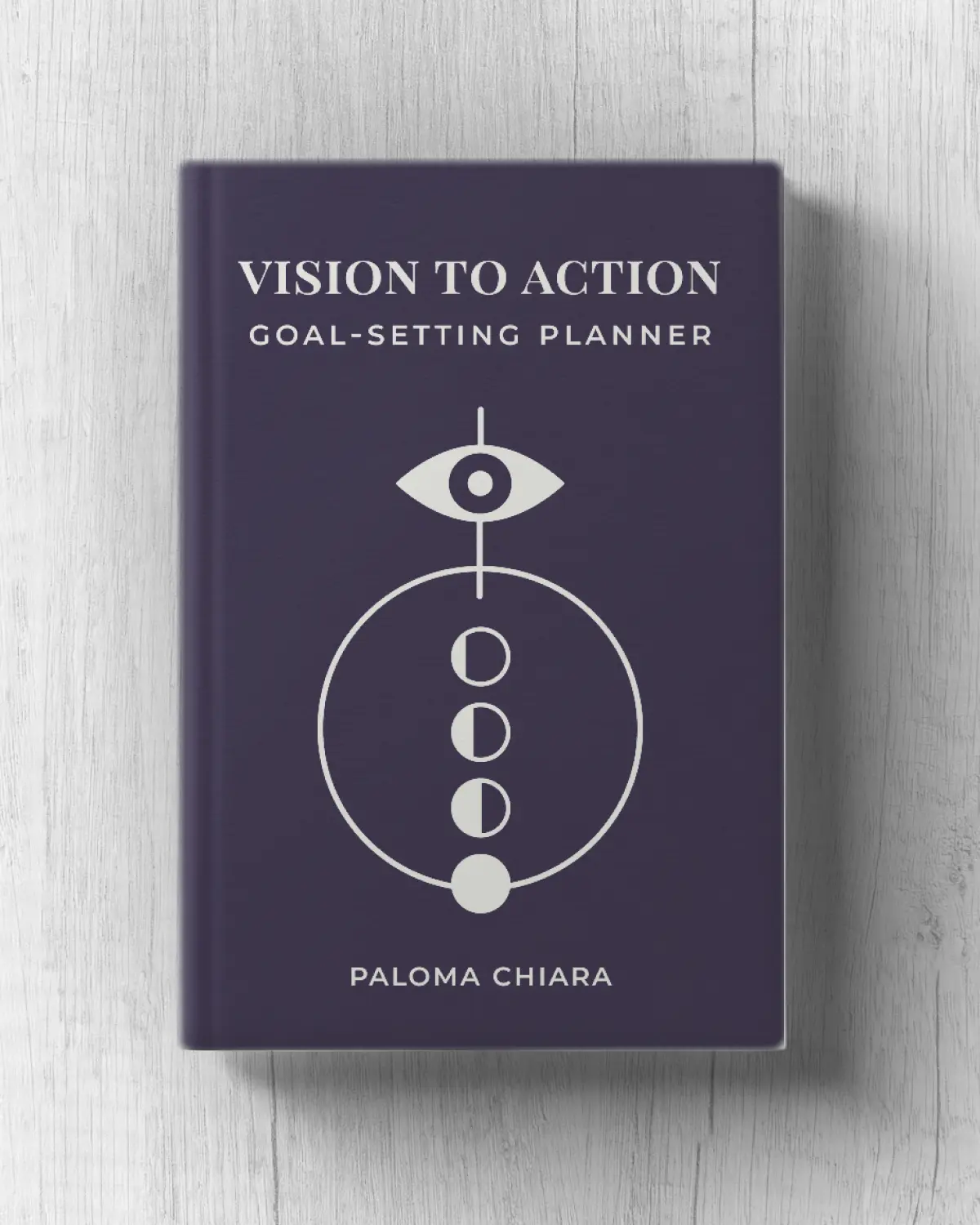
Check out the Free · Vision to Action Planner
More infoSay the Real Thing, Not the Polished Version
Coaching only works if you’re honest about what’s actually going on — the fear underneath the excuse, the pattern you keep repeating, the thing you’re embarrassed to admit.
Most people show up with a curated version of their problem. Skip that. The curated version doesn’t get solved, because it’s not the real one.
Do the Work Between Sessions
Your coach will probably give you homework: a boundary to set, a conversation to have, a system to try for a week. That work is the coaching. The session is just where you report back and adjust.
Skipping it and showing up anyway is like paying for a gym membership and only ever visiting the juice bar. If procrastination is what gets in the way, name that pattern out loud in your next session instead of quietly repeating it.
Use Your Coach as an Accountability Structure, Not a Cheerleader
Tell your coach exactly what you said you’d do, then tell them honestly whether you did it. If you didn’t, dig into why — was it the wrong plan, or did you avoid it?
This is where I spend a lot of my own sessions with clients: not celebrating effort, but tracing exactly where a plan broke down so we can fix the actual mechanism, not just the symptom. HBR’s research on leadership coaching backs this up — the clients who improve fastest are the ones who “accept and act on the constructive feedback” instead of just nodding along to it.
Expect Discomfort, and Don’t Bail When It Shows Up
Good coaching will surface a belief you didn’t know you were carrying, or a habit you’ve been protecting for years. That’s uncomfortable on purpose.
If a session leaves you a little rattled, that’s usually a sign it worked, not a sign to pull back. Deep-rooted patterns don’t move without some friction. If you keep hitting the same limiting belief every time you get close to progress, that’s the thing worth naming directly instead of working around.




What Actually Wastes Coaching Sessions
A handful of mistakes come up constantly, and they’re easy to avoid once you can name them.
Resistance you don’t admit. Everyone resists change — that’s normal. What kills progress is not saying it out loud. Tell your coach “I don’t want to do this” and you can actually work with it. Hide it, and you’ll just quietly not do the thing and blame the plan later.
Treating sessions as the only work. If coaching happens for one hour a week and nothing happens the other 167 hours, the results will match that ratio.
Tackling five goals at once. Overwhelm shows up fast when career, health, relationships, and finances all get worked at the same time. Pick the one costing you the most right now — often it’s burnout sitting underneath everything else — and let the rest wait.
Expecting results before you’ve built the habit. Real change compounds slowly, then all at once. Judging session three the same way you’d judge session fifteen sets you up to quit right before it starts working.
Going in without a question. A session with no agenda tends to drift into small talk. Even one line jotted down beforehand — the thing you’re avoiding, the decision you keep circling — gives the hour somewhere to go.
Bring Better Questions, Not Just Updates
Most people show up to a session ready to report what happened. That’s useful, but it’s not the whole job. Bring questions too.
“Why do I keep avoiding this one conversation?” gets you further than “here’s my week.” “What would I do here if I weren’t scared of getting it wrong?” opens a door a status update never will. The strongest sessions are the ones where you walk in with a question you’ve been sitting on, not just a summary.
If you’re not sure what question to bring, start with whatever you’ve been avoiding thinking about. That avoidance is usually pointing right at it.
When You Feel Stuck for Weeks, Say So
If you’ve gone three or four sessions without movement, that’s data, not a failure. Bring it up directly instead of quietly wondering if coaching works.
Sometimes the plan needs to change. Sometimes the real block hasn’t been named yet — fear of failure hides behind a lot of “I just haven’t had time” excuses. A direct conversation about what’s actually stuck usually moves things faster than another polite session pretending everything’s fine.
Quiz: What Is Blocking Your Success?
This quick quiz will help you figure out which mental or behavioral pattern might be holding you back from achieving your full potential. Identifying your specific success blocker is the first step toward breaking through to new levels of achievement and fulfillment.
Read each question and choose the answer that feels most true to your situation.
No email or payment is required to complete the quiz and receive your personalized insights.
Once you have your primary success blocker, you have clarity about what’s been holding you back. This awareness is powerful—many people spend years struggling without understanding the specific pattern that’s limiting their progress.
Remember, these patterns aren’t permanent character traits but rather habitual ways of thinking and behaving that can be changed with the right guidance and practice.
If you’re ready to break through your specific blocker and achieve the success you know you’re capable of, send me an email to try out a coaching session. Your breakthrough awaits!
Coaching works when you treat it like a system you’re actively running, not a service you’re passively receiving. Bring the real problem, do the homework, and say the uncomfortable thing when it comes up. If you’re ready to put that into practice, get in touch.
About the Author

Paloma Chiara
Certified Life Coach
Guiding you toward your best self through mindful transformation.
Contact me
The perfect time was last quarter.
Tell me where you're stuck. We'll build the systems around it.
Let's startRecent posts
-
How to Overcome the Fear of Self-Promotion as a Business Owner
Read blog -
How to Take a Vacation as a Business Owner (Without the Guilt)
Read blog -
How to Overcome the Fear of Raising Your Prices
Read blog -
How to Handle Criticism as a Founder Without Losing Confidence
Read blog -
How to Stop Micromanaging Your Team
Read blog -
The Arrival Fallacy (Why Success Doesn't Feel Like Enough)
Read blog
Comment