
Overwhelmed vs Overstimulated, What's Actually Going On

Overwhelmed and overstimulated feel like the same thing when you’re in the middle of them. Both make you want to shut the door, cancel the plans, and stare at nothing for an hour.
But they come from different places. And the fix for one can make the other worse.


What Overwhelm Actually Is
Overwhelm is a capacity problem. You have more on your plate than your brain can process at once: deadlines, unread messages, decisions you keep putting off, things people are waiting on you for. Your mental bandwidth is full.
You know you’re overwhelmed when you can’t figure out where to start. When writing a to-do list makes you feel worse, not better. The problem is the sheer amount, not the environment around you.
What Overstimulation Actually Is
Overstimulation is a sensory problem. Your nervous system has absorbed too much input: background noise, notifications, a conversation in the next room, fluorescent lights, a TV on while you’re trying to think. Your brain isn’t necessarily dealing with too much to do. The volume is just too high.
You know you’re overstimulated when you get snappy in loud places for no clear reason. When you need to leave a party you were genuinely enjoying. When the irritability fades the moment you get some quiet.
The Overlap That Confuses People
Both states make you feel like you need to escape. And they often hit at the same time, which is why most people treat them as one thing.
A packed workday in an open office is a good example: constant noise layered on top of an endless task list. Your nervous system is taking in too much while your cognitive load is also maxed out. By 3pm, you’re not being dramatic. You’re just running two kinds of overload at once.
But the cause matters, because the response is different.
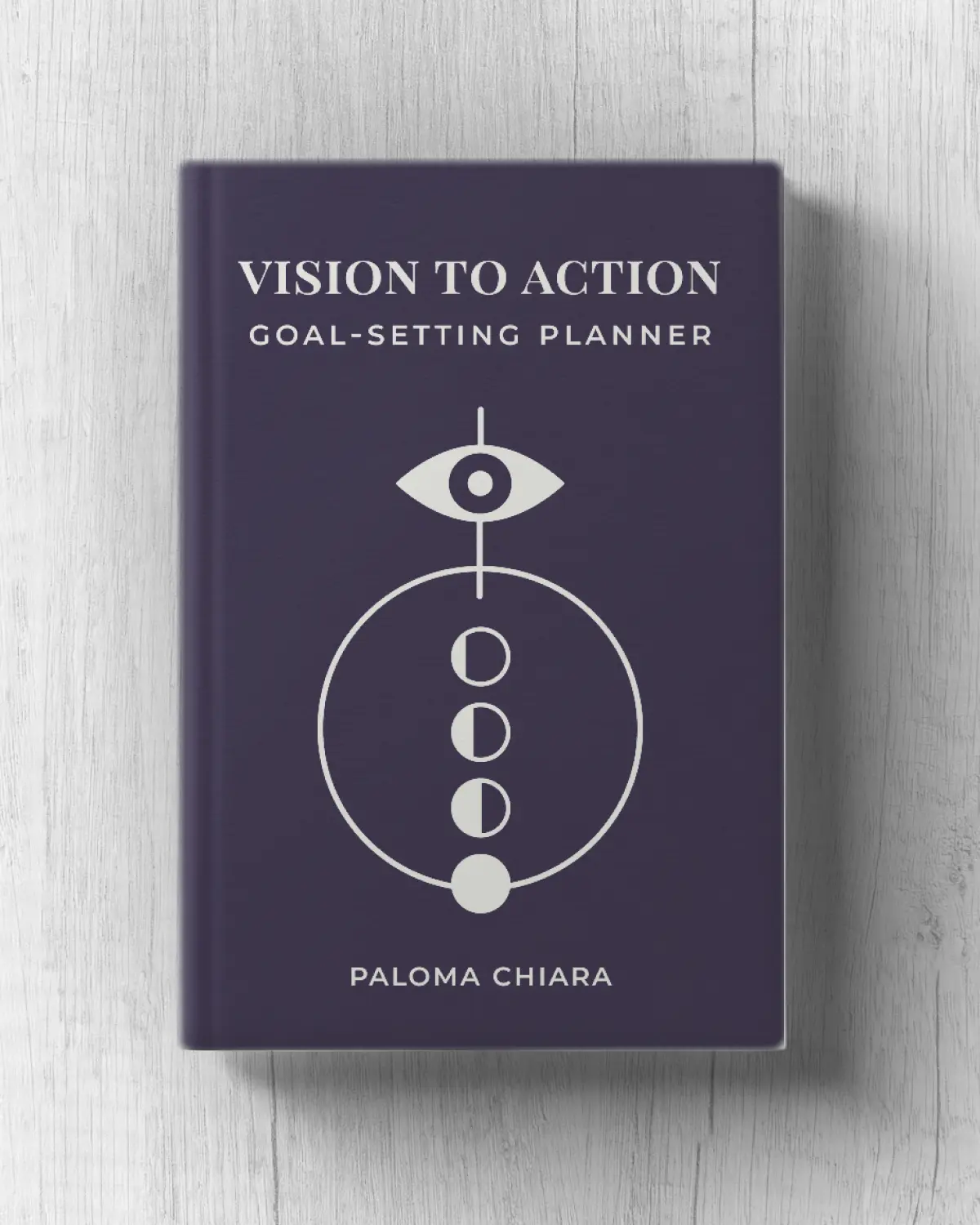
Check out the Free · Vision to Action Planner
More infoWhat Actually Helps Overwhelm
Overwhelm responds to structure. When your brain doesn’t know where to start, it helps to pick one thing and do only that. Close every tab except the one you need. Write the next single action, not the whole project plan.
The goal is to reduce how many things your brain is trying to hold at once.
What Actually Helps Overstimulation
Overstimulation responds to quiet. Literally turning things off. Dim the lights. Put headphones on with nothing playing. Go outside where the sounds aren’t directed at you.
The goal is to lower the volume on incoming signals. Getting more organized won’t do it.
Why Getting This Wrong Matters
If you’re overstimulated and you respond by making a better to-do list, you’ll probably feel worse. You’ve added more cognitive activity to a nervous system that needed less input.
If you’re overwhelmed and you go lie in a dark room, you might feel calmer for an hour. But the pile of undecided things is still there when you get up.
Getting the read right cuts recovery time down considerably. And it stops you from spending energy on the wrong fix.
A Pattern Worth Noticing
A lot of people are chronically in one of these states without realizing it. They’ve normalized the feeling of too much. They manage it with caffeine, or by working through weekends, or by numbing out every evening just to reset.
When it’s constant, it’s worth looking at what’s actually feeding it, not just managing the symptoms.
If you want to figure out which pattern you’re stuck in and what’s keeping it in place, reach out. That’s exactly the kind of thing coaching is useful for.
Quiz: What Is Blocking Your Success?
This quick quiz will help you figure out which mental or behavioral pattern might be holding you back from achieving your full potential. Identifying your specific success blocker is the first step toward breaking through to new levels of achievement and fulfillment.
Read each question and choose the answer that feels most true to your situation.
No email or payment is required to complete the quiz and receive your personalized insights.
Once you have your primary success blocker, you have clarity about what’s been holding you back. These patterns aren’t permanent character traits, they’re habitual ways of thinking and behaving that can be changed with the right guidance and practice.
If you’re ready to break through your specific blocker, send me an email to try out a coaching session.
About the Author

Paloma Chiara
Certified Life Coach
Guiding you toward your best self through mindful transformation.
Contact me
The perfect time was last quarter.
Tell me where you're stuck. We'll build the systems around it.
Let's startRecent posts
-
How to Overcome the Fear of Raising Your Prices
Read blog -
How to Handle Criticism as a Founder Without Losing Confidence
Read blog -
How to Stop Micromanaging Your Team
Read blog -
The Arrival Fallacy (Why Success Doesn't Feel Like Enough)
Read blog -
Why Business Owners Can't Switch Off From Work
Read blog -
How to Set Boundaries with Your Team Without Feeling Like a Bad Boss
Read blog
Comment